Kosovo is facing one of those days when institutional deadlock no longer remains only a political debate, but becomes a concrete test of how the state functions. The constitutional deadline for electing the president is closing, while at the same time the process for amendments to the Law on the Specialist Chambers remains unfinished.
The deadline is closing, but without a clear timetable
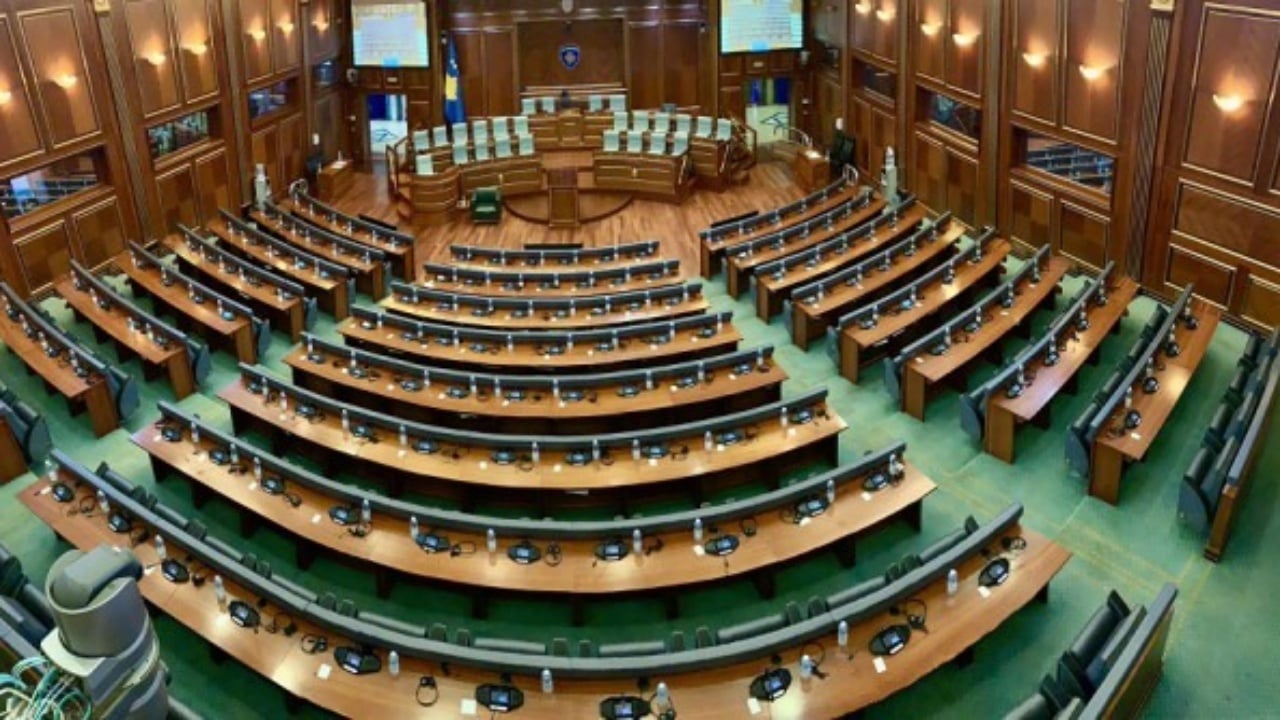
Until the early hours of the day, no Assembly session or parliamentary committee meeting had been officially announced. This leaves the crisis open until the last minute, with the possibility that an extraordinary session may be called only in an attempt to avoid a deadlock.
At its core, the institution that is supposed to provide a solution remains unclear itself about how and when it will act. This makes the day decisive not only politically, but also institutionally problematic.
The president and the Specialist Chambers, two processes tied in the same knot
If the Assembly manages to elect the president within the constitutional deadline, the legislature will continue its mandate and deputies will be able to return to the issues left pending. Among them is the draft law amending the Law on the Specialist Chambers, which has still not completed the parliamentary process.
The chairman of the Legislation Committee, Vigan Qorrolli, has called on deputies to vote during the day both for the new president and for the amendments to this law. According to him, both are directly linked to the functioning of institutions and to avoiding another electoral cycle.
If the vote fails, the country heads toward another crisis
If the Assembly does not elect the president before the constitutional deadline expires, the expected scenario is the dissolution of the Assembly and the country moving toward early elections.
This would interrupt the work of the current parliamentary composition and make it impossible to approve, on second reading, the amendments concerning the Specialist Chambers. So this is not only about the name of the president, but about a chain of decisions that could remain blocked.
Uncertainty also over presidential powers
Another sensitive point is linked to the exercise of presidential powers if the Assembly is dissolved. Albulena Haxhiu’s six-month term as acting president has ended.
At this point, the Constitution does not clearly define who exercises presidential powers after the end of this term. This adds to institutional uncertainty precisely on the day when there should have been more clarity than ever.
In the end, Kosovo’s political day remains split between two clear paths: either the president is elected and the Assembly continues its work, or the vote fails and the country slides toward early elections.
So far, without an official announcement on the convening of deputies, it remains unclear whether the crisis will find an institutional solution or deepen even further.