
An audit by the Supreme State Audit has raised serious doubts about how banned pesticides have been managed in Albania. According to the report, during 2022–2024, 10 products banned in the European Union continued to circulate on the market, with deadlines extended beyond the limits set by Brussels.
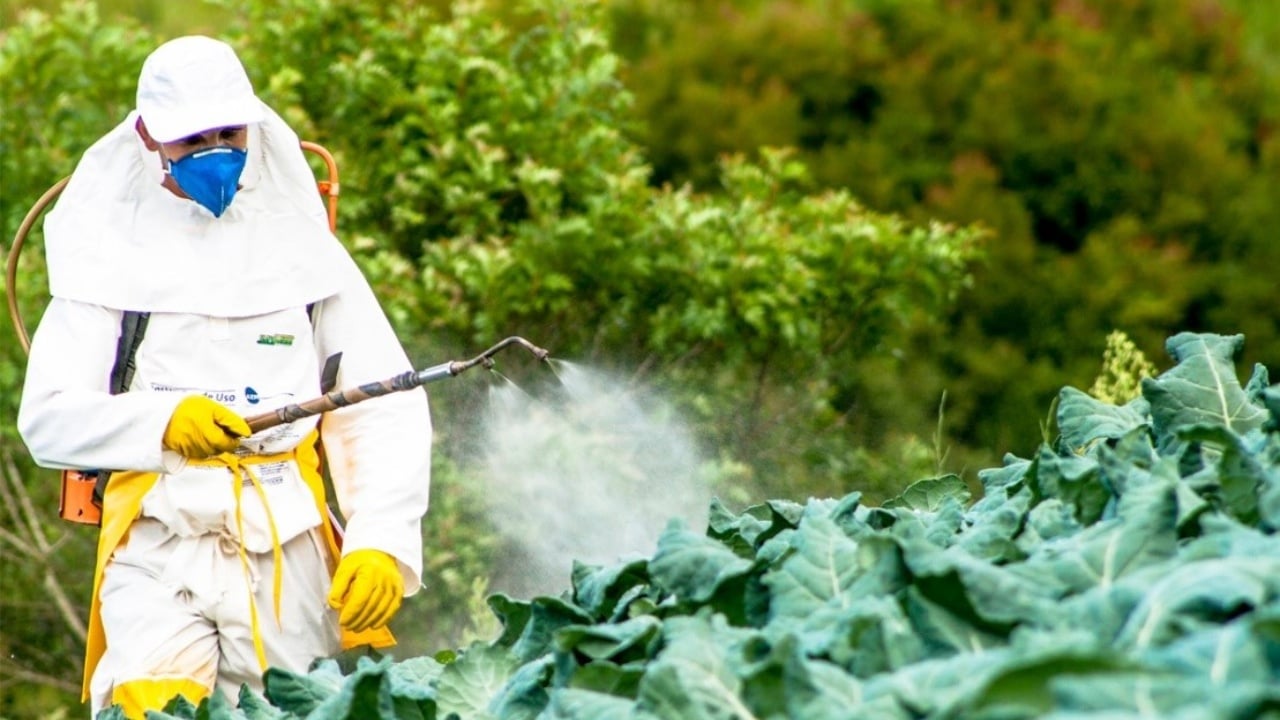
10 banned pesticides remained on the market
According to the findings of KLSH, during the period when the Ministry of Agriculture was headed by Anila Denaj, these products were allowed to be sold in agricultural pharmacies even though the respective substances had been phased out in the EU because of health risks.
The report raises strong questions about the ministry’s role, which not only failed to ensure the timely withdrawal of these products from the market, but according to the audit also gave room to seven importing businesses to market them beyond the deadlines set by the European Commission.
Specific cases of extended deadlines
In the lists published by the Ministry of Agriculture and Rural Development, the pesticide Spinetoram appears with a validity deadline until June 30, 2025, while the deadline on the EU list was April 30, 2024.
For the preparation Dimethomorph, the deadline in Albania appears to run until April 30, 2025, while in the EU it had ended on April 30, 2024. Metaflumizone, meanwhile, appears with a deadline until December 31, 2025, even though on the EU list the deadline was December 31, 2024.
Another case mentioned is Clofentezine, which in the data published by the ministry appears with a deadline until May 11, 2024, while the EU deadline had expired on November 11, 2023.
No control plan and no chain of responsibility
KLSH found that there is no clear plan for the management and control of banned pesticides. According to the report, this leaves room for the uncontrolled use of dangerous substances and for trade that serves the interests of importers.
Likewise, in the lists of products excluded in the EU, it has not been clarified how the process of withdrawing them from circulation will be carried out, who bears concrete responsibility, and how implementation will be monitored. In practice, the deadlines remain without clear institutional oversight.
Ministry shifts the burden, farmers bear the cost
Following the audit findings, the official position of the Ministry of Agriculture is that it is not the structure responsible for the management of plant protection products and that this task belongs to the National Food Authority and other institutions.
But the effect on the ground falls on farmers. Agricultural products treated with pesticides that are allowed in Albania but banned in the EU risk rejection or destruction at customs points, leaving the economic costs with producers rather than the links that allowed the deadlines to be dragged out.
The KLSH report highlights a scheme in which the European standard is excluded on paper but postponed in practice. In a sector that directly affects food safety and agricultural trade, the lack of control does not remain merely an administrative problem.
The main question is why the banned products were not withdrawn in time and whom this extension of deadlines has actually served.