
Interior Minister Ervin Demo described the violent protest in Tirana as a combination of student discontent and, according to him, a politically driven scenario. In his reaction, he condemned the arson attacks and property damage, while at the same time making strong accusations about the involvement of the “old politics” and “foreign hands” through social media, without providing further public details.
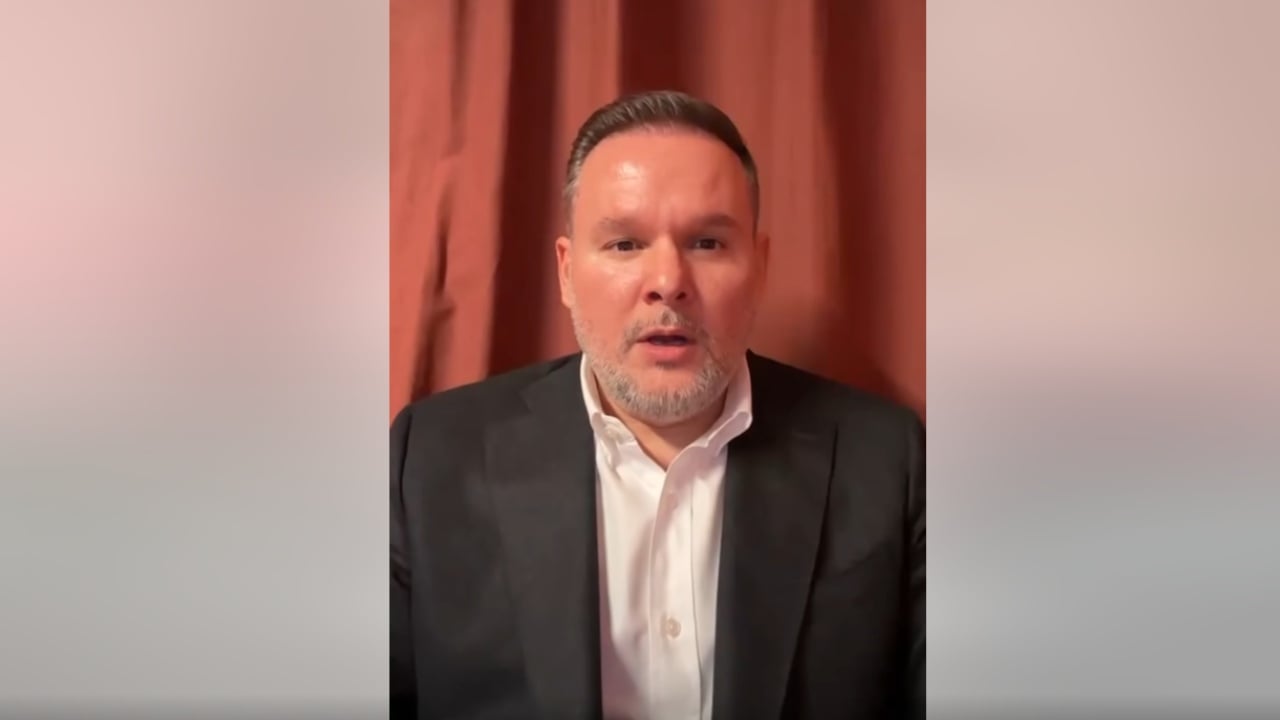
The government presents the protest as infiltrated
According to the minister’s version, the events in Tirana were not simply an outburst of protest, but a situation exploited by political actors and other individuals who, he said, used students as cover for violence and chaos.
Demo spoke of an “ominous scenario” and claimed that foreign elements had also operated behind the scenes, brought into play through social media since June. However, his public reaction was not accompanied by concrete evidence or institutional clarification about which individuals or structures he was referring to.
Call on students to distance themselves from violence
The minister tried to separate the student protest from the violent acts, urging young people to advance their demands through dialogue and not through street clashes.
He addressed medical students in particular, insisting that the government is on their side even when they are not politically aligned with it. Along the same lines, he also mentioned the University Pact as an example of a process that, according to the government, emerged from protest but must continue through institutional negotiation.
Message to those responsible for the violence: withdraw before it is too late
In the harshest part of his statement, Demo warned the people whom the authorities say are responsible for arson and damage to public and private property. His message was direct: withdraw before it is too late.
He stressed that criminal responsibility may not come immediately, but it will not be forgotten. This is the government’s standard warning after violent episodes, while it remains to be seen what evidence law enforcement bodies will present to identify those responsible.
Praise for the police despite public criticism
Demo thanked the State Police for what he called professionalism and restraint under conditions of continuous provocation. He also criticized media pressure on the officers, implying that the government considers unfair the way the police response has been portrayed.
This assessment comes at a time when every police operation during protests is under public scrutiny, especially when there is tension, clashes and damage in the center of the capital. Precisely for this reason, political statements defending the police usually also prompt calls for fuller transparency about interventions on the ground.
Claims of more information than is being made public
At the end of his reaction, the minister said the authorities know more than they can publicly share for the moment. He insisted that the violent attempt has no chance of turning the country backward and that the plans of those who, according to him, fueled the flames in front of the ministries will fail.
Such a statement increases the political weight of the event, but it also heightens the need for evidence, names and verifiable accountability. So far, the public has been offered mainly the government’s political interpretation of what happened in Tirana.
Ervin Demo’s reaction shifts the debate from the causes of the protest to the narrative of infiltration and destabilization. But whenever accusations are raised about “foreign hands” and dark scenarios, the burden of proving them remains on the institutions that articulate them.
Beyond the rhetoric, the main question remains concrete: who organized the violence, who financed it, and what responsibility do the authorities bear for managing the situation in the capital.