
Protests in the country are now also being seen as a factor of economic risk. In its latest monetary policy report, the Bank of Albania acknowledges that social tensions have increased uncertainty, with possible consequences not only for consumer and business confidence, but also for investment and tourism.
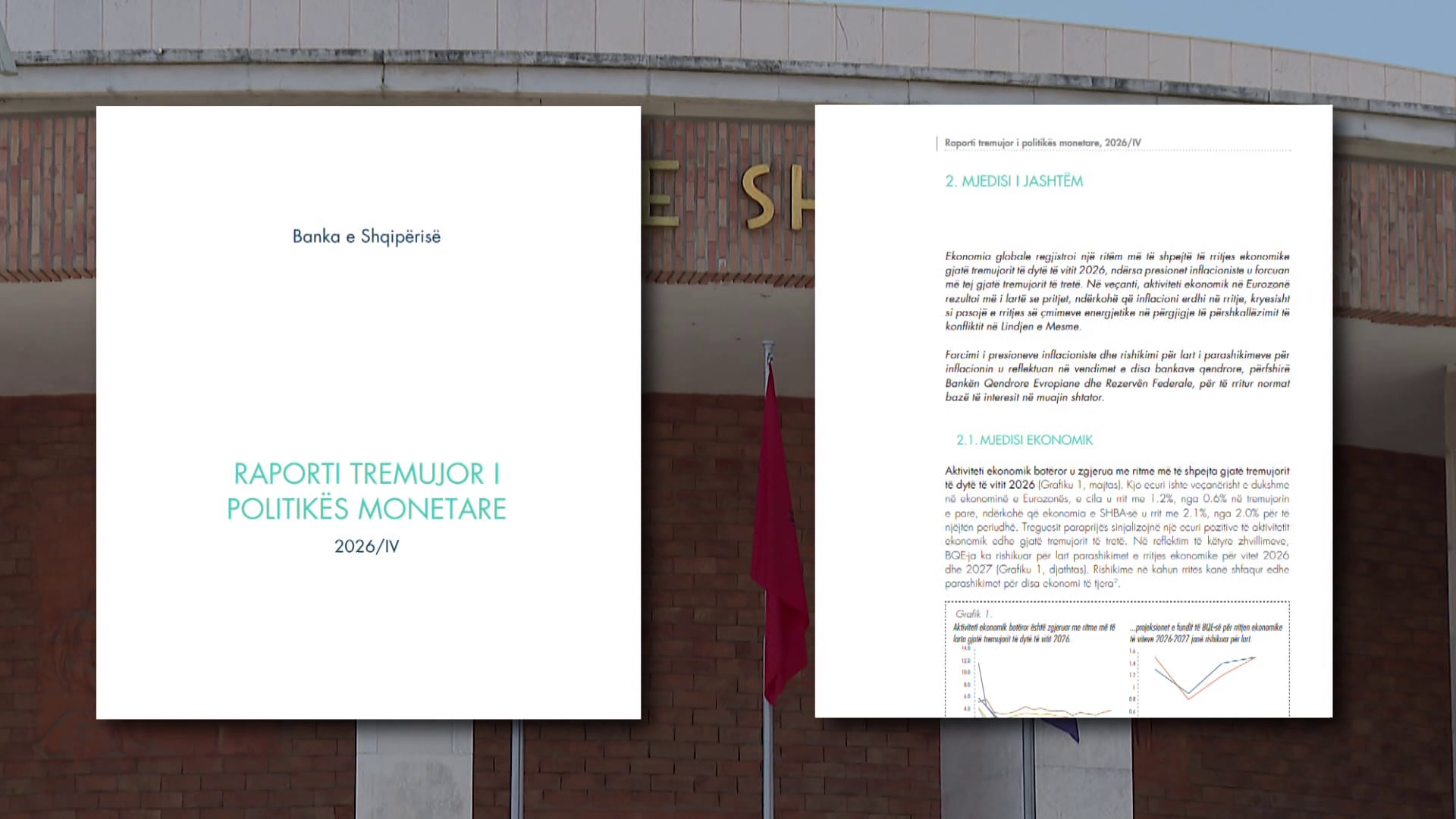
Warning from the Bank of Albania
According to the Bank of Albania, the development of protests in the country has increased uncertainty in the Albanian economy. In the institution’s assessment, alongside movements in international markets, internal social tensions are also increasing risks to inflation and shaking market confidence.
Deputy Director of Monetary Policy Rajna Hoxholli said developments in the country require attention, as social tensions may be accompanied by greater uncertainty and could restrain consumption, investment, and tourism activity. This is a direct signal from the institution that monitors monetary stability, at a time when the economy appears more exposed to domestic shocks.
Inflation remains a problem, target pushed back until 2028
In its report, the Bank of Albania estimates that inflation is expected to return to target during 2028. This indicates that price pressures are not considered temporary in the short term, despite the cautious messages of monetary policy.
In the third quarter, inflation rose to 3.2%, from 3% a quarter earlier. According to the official version, this movement was influenced by rising oil prices and the prices of unprocessed foods.
Risks have shifted: more pressure on prices, less momentum in growth
The bank also acknowledges that the net impact of the fiscal package on inflation still remains to be assessed, leaving open an important question mark over the real effect of public policies on the economy.
What the institution considers a fundamental change, compared with three months earlier, is the balance of risks: according to the report, the risk to inflation is seen on the upside, while the risk to economic growth is on the downside. In other words, the economy may simultaneously face higher prices and a weaker pace of development.
Key rate remains unchanged
Despite this alarm signal, the Bank of Albania has not changed the key interest rate for the moment. The institution says it will closely observe developments and will adjust monetary policy if this is seen as necessary.
This position suggests that the bank is waiting to see whether the identified uncertainties will actually translate into stronger shocks for the economy, investment, and sensitive sectors such as tourism.
The message of the report is clear: beyond the technical language of monetary policy, protests and social tensions are now being treated as a factor that could weigh on the country’s economic climate.
When the central bank itself signals risk to investment, consumption, and tourism, the debate no longer remains only political, but directly affects household finances, business, and expectations for economic growth.