
The clash between Estonia and Russia has deepened further after Tallinn announced that it will close all border crossing points with Russia from December 1. The reaction from Moscow was swift: the official Russian version presents the decision as another sign of a political hardening against Russia.
Moscow calls the decision ‘aggressive Russophobia’
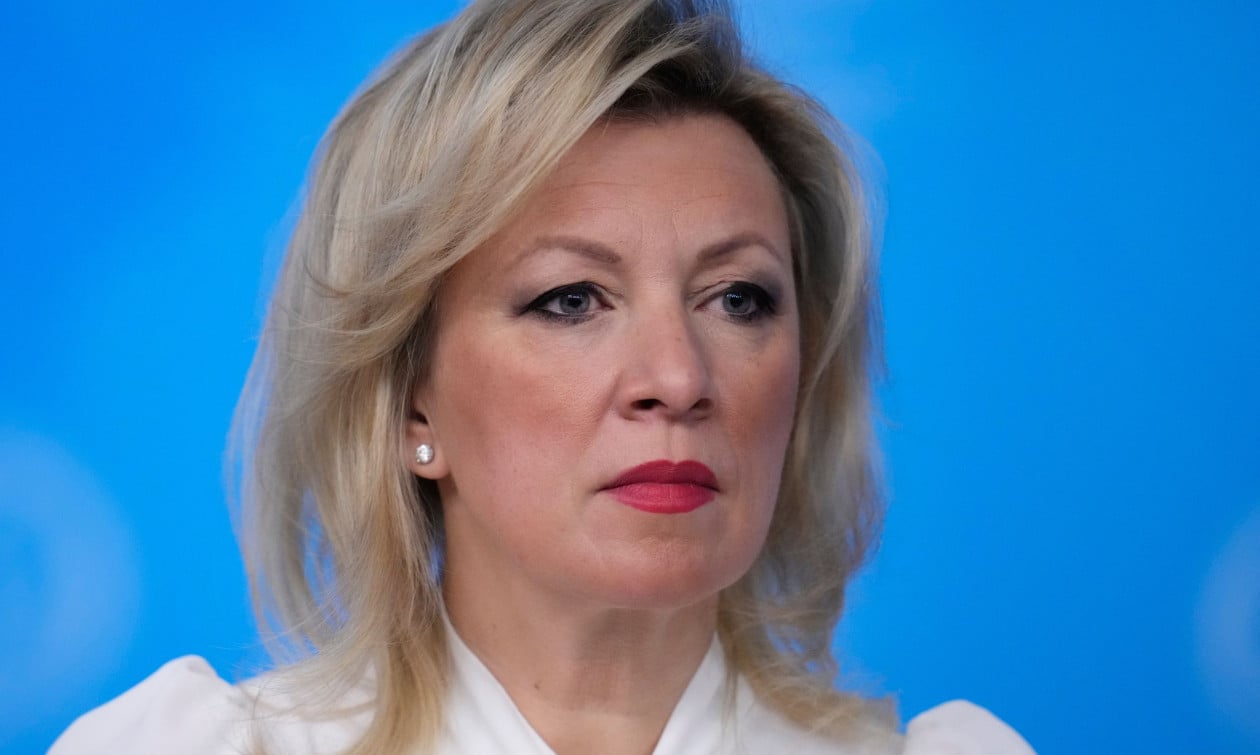
Russian Foreign Ministry spokeswoman Maria Zakharova reacted to Estonia’s decision, claiming that it was another wave of “aggressive and uncontrolled Russophobia.”
Her statement was given to the Russian state agency TASS, placing the reaction within the Kremlin’s official communication line on developments involving its European neighbors.
What Estonia has announced
Earlier, Estonian Foreign Minister Margus Tsahkna announced that the country will close all border crossing points with Russia starting from December 1.
The announcement signals another strong step in the already tense relations between Tallinn and Moscow, in a climate where security measures are increasingly outweighing diplomatic communication.
The rupture comes after sabotage suspicions
The Estonian decision comes after authorities in Tallinn spoke of a suspected sabotage attempt against an Estonian defense company.
According to Estonian authorities, Moscow was blamed in this case, although the information made public so far has provided no further details about the nature of the incident or the evidence supporting the accusation.
Tensions are reaching the border as well
The full closure of the border crossing points shows that the clash between the two countries is no longer remaining only at the level of political statements, but is also affecting movement between them.
On the one hand, Estonia presents the step as a security measure; on the other, Russia is using its usual language of political counterattack, calling the decision hostile. For now, what remains clear is the deepening diplomatic conflict between the two countries.
The border closure from December 1 is expected to further strain Estonia-Russia relations, at a time when political trust between the sides appears to be practically exhausted.
Beyond propagandistic labels and mutual accusations, the decision marks another signal that tensions in the region are being translated into concrete state measures.