
The Ministry of Agriculture’s decision to analyze every shipment of corn for animal feed imported into Albania is being questioned by former minister Edmond Panariti, who says the focus on imports does not address the core of the problem. According to him, the risk from aflatoxin is linked more to poor conditions on Albanian farms than to the origin of the feed material.
Checks on imports, but doubts remain over the real source of contamination
Since October, under a decision by the Ministry of Agriculture, every shipment of corn for animal feed entering the country has been subject to analysis. But Panariti considers this approach insufficient and raises doubts that an external explanation is being sought for a problem that, in his view, is produced within the domestic chain.
He argues that aflatoxin cannot be stopped simply through border controls if feed is then stored in conditions that favor humidity and spoilage. In this reading, the measure announced by the ministry addresses the symptom, not the cause.
Lack of storage facilities and drying, where Panariti says the system fails
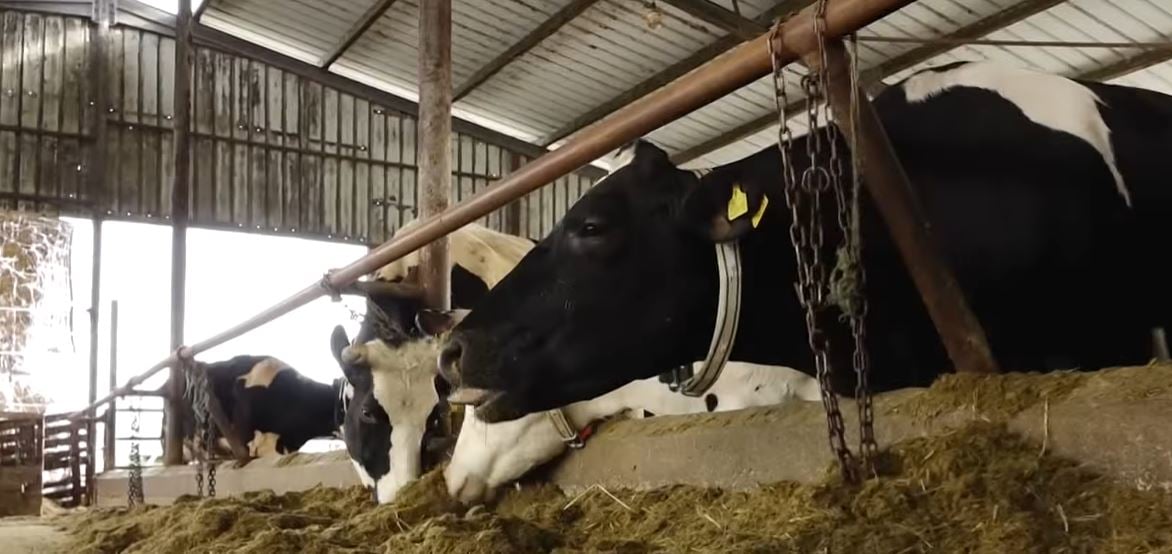
According to Panariti, the main problem is not the origin of livestock feed, but the lack of infrastructure on the ground. Hay and corn, he says, continue to be kept out in the open rather than in suitable storage facilities.
He stresses that without ensuring the proper moisture level and drying before use, the risk remains the same, regardless of whether the feed comes from Serbia, Germany, France or domestic production. According to him, this makes incomplete the narrative that links the problem only to imports.
Insufficient budget and the blocking of IPARD
Panariti also raises the issue of funding, calling the 17.9 billion lek budget for the Ministry of Agriculture insufficient in relation to the needs of the livestock sector. According to him, without serious investment in modern farms and storage infrastructure, the aflatoxin problem will continue to appear in milk.
Along the same lines, he also mentions IPARD funds, saying they have remained blocked for three years. According to Panariti, restoring the EU’s trust in Albania regarding this program would be key to improving farm infrastructure.
EU pressure and the blow to domestic production
Another consequence he highlights is the impact of EU pressure on the milk market. According to the version he presents, factories are being pushed to source imported milk in order to meet standards and avoid the risk of contamination.
According to Panariti, this may keep the processing industry afloat, but it does not solve the crisis in domestic production. On the contrary, it exposes even more clearly the gap between food safety requirements and the lack of real support for Albanian farmers.
The debate over aflatoxin is once again bringing a broader problem into focus: how effective are the measures announced by institutions when the weakest link remains the infrastructure on the ground itself.
If controls remain focused only on imports, while farms continue to operate without storage facilities and without sufficient support, then milk safety risks remaining more of an administrative slogan than a guaranteed standard.