
Another public clash has erupted between the government and the Municipality of Tirana after Edi Rama’s statement at the Assembly about employees who, according to him, are dismissed because they do not give “likes” and “shares” to Lali. The municipality reads this as direct political pressure on its administration and its decision-making.
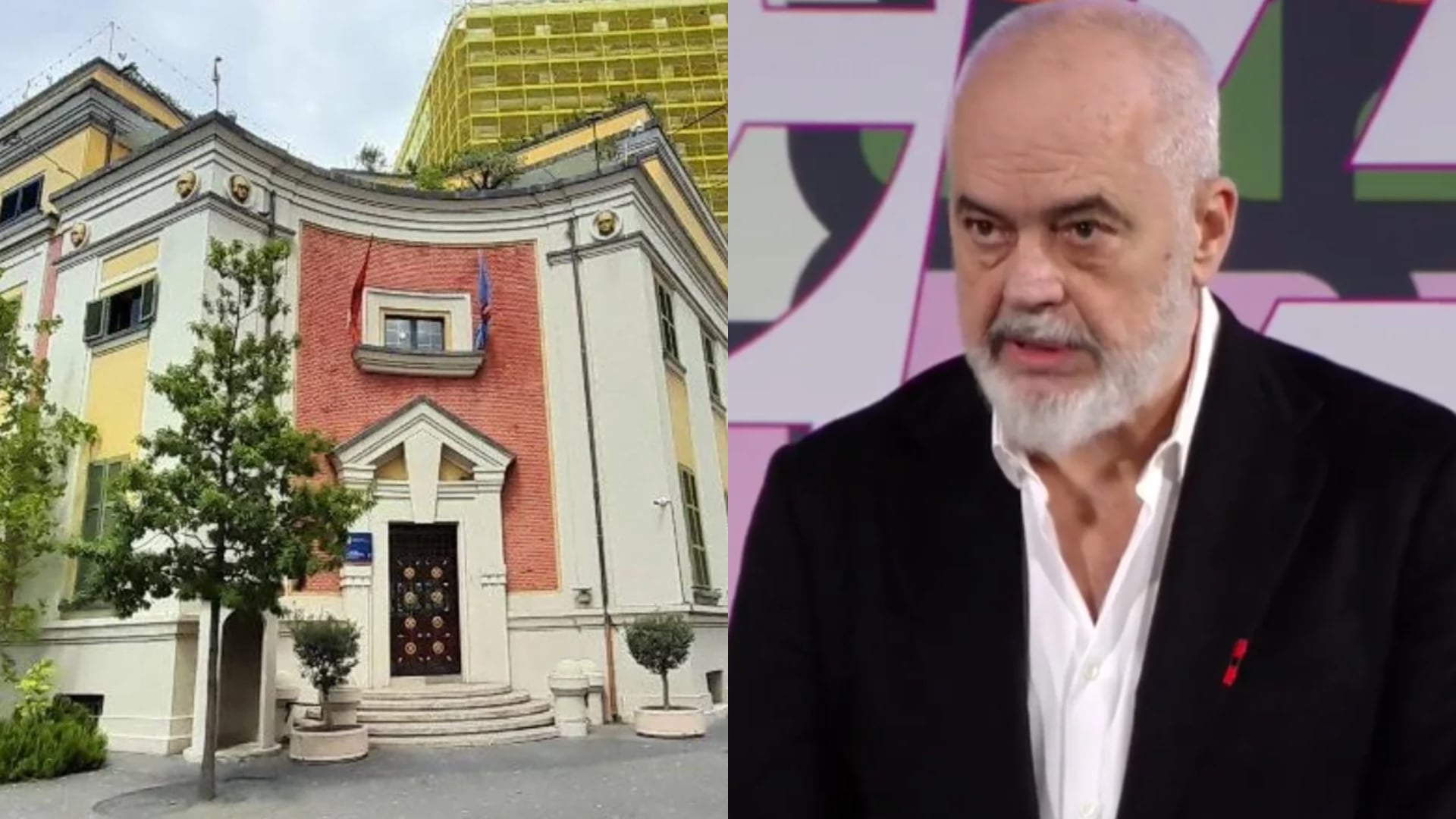
The municipality’s response after Rama’s statement
In its official response, the Municipality of Tirana called for an end to all political pressure on the municipal administration and for respect for local autonomy. The position came after the prime minister said at the Assembly that there are employees who are removed from their jobs because they do not support Lali’s image on social media with “likes” and “shares.”
The municipality considers this an interference in the powers and decision-making of the local institution, stressing that the debate is not merely political, but concerns the constitutional boundaries between central and local government.
Local autonomy at the center of the dispute
According to the Municipality of Tirana, its autonomy is guaranteed by the Constitution, specifically Article 13, as well as by Law No. 139/2015. The local institution insists that the municipality is not under the personal authority of the prime minister and that its powers cannot be dictated by political pressure.
Appointments and dismissals in the municipal administration, according to the municipality’s version, must be carried out only in accordance with the law and not on the basis of personal preferences or political interference. This is the core of the objection that the local institution is now articulating publicly.
Accusations of political control over the municipality
In its statement, the municipality goes further and raises concerns that the recent pressure may be linked to efforts to weaken the institutional authority of the elected mayor of Tirana. According to this position, the personal security measure against the mayor is being used to neutralize his institutional role and impose political control over the municipality.
This is an accusation with political weight, but it has come only in the form of the municipality’s institutional claim. At this stage, the public reaction of the local institution is focused on denouncing the interference and demanding respect for the constitutional order.
The local institution’s final message
The Municipality of Tirana says that no political stance can justify violating local autonomy and the will of the citizens of the capital. Along the same lines, it calls for an end to any political interference in its decision-making.
At the end of its response, the municipality adopts a direct tone toward the head of government, stressing that it belongs to the citizens of Tirana and not to the prime minister’s personal preferences. The open clash between the two levels of government turns the issue from a war of statements into an institutional test of the limits of political interference.
In essence, the confrontation is not unfolding only over a statement about “likes” and “shares,” but over political control of the local administration and the way powers are interpreted in the relationship between the government and the municipality.
When accusations of pressure come from the local institution itself, the issue goes beyond the rhetoric of the day and raises serious questions about the standards of local autonomy in practice.