
Tensions between Iran and the United States are entering an even more heated phase, at least according to the public signals being sent by senior officials in Tehran. After an attack on a Cyprus-flagged vessel in the Strait of Hormuz, Iran’s parliament speaker and the country’s chief negotiator, Mohammad Bagher Ghalibaf, sent Washington a strong message, suggesting that Iran will no longer tolerate agreements that, in its version, are implemented by only one side.
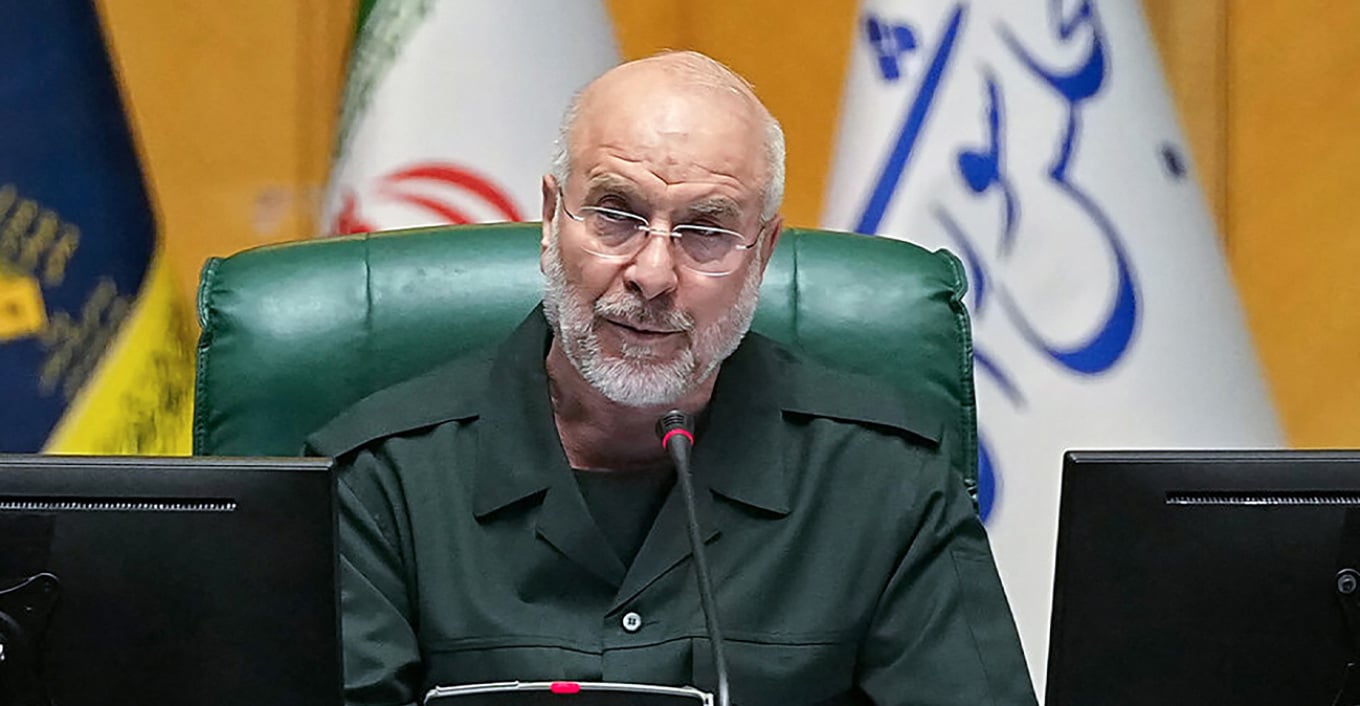
Ghalibaf’s reaction after the Hormuz incident
In a post published on Sunday morning, Ghalibaf declared that “the era of one-sided agreements is over,” in a reaction that comes immediately after the latest developments in the Strait of Hormuz.
His message was clearly directed at the United States and was accompanied by a direct warning: according to his post, the American side must “keep its word or pay the price.”
What the Iranian negotiator published
Alongside the statement, Ghalibaf also published a paragraph from the memorandum of understanding between the United States and Iran. The text he made public says that, with the signing of the memorandum, the Islamic Republic of Iran will make the necessary arrangements for the safe passage of commercial ships free of charge for 60 days.
The publication of this fragment appears to be an attempt to reinforce Tehran’s political argument that the other side is not respecting what was agreed. At this stage, the source material provides no further details on the status of this memorandum or on the opposing interpretations of the parties.
Political message: pressure on Washington
Ghalibaf’s statement does not come simply as a diplomatic reaction. Its tone suggests that Tehran is trying to increase public and political pressure on the United States at a sensitive moment for maritime security and the military balance in the region.
When officials at this level use language such as “reality is knocking on the door,” the signal is that the confrontation is shifting from ordinary diplomatic communication toward harsher rhetoric, with possible consequences for the situation on the ground.
Fears of escalation grow
According to the source material, tensions between Tehran and Washington have risen significantly after the attack on the commercial vessel in the Strait of Hormuz and the US military response against Iranian targets.
This chain of reactions has increased concerns about a further escalation of the conflict in the region, especially at a strategic point such as Hormuz, where any incident has a direct impact on commercial shipping and international security.
For now, the Iranian negotiator’s statement remains a strong political signal in a situation that is rapidly becoming more tense.
It remains to be seen whether this rhetoric will be followed by concrete diplomatic or military steps, as the region watches with concern the next moves between Tehran and Washington.