
Another dangerous confrontation is unfolding in the Strait of Hormuz, a key chokepoint for global trade and oil supplies. According to the official US version, a Cyprus-flagged container ship was attacked while transiting the maritime corridor, while Washington responded with a third wave of bombings against Iranian targets this week. The parties’ claims over the damage and responsibility remain independently unverified.
What happened to the ship in Hormuz
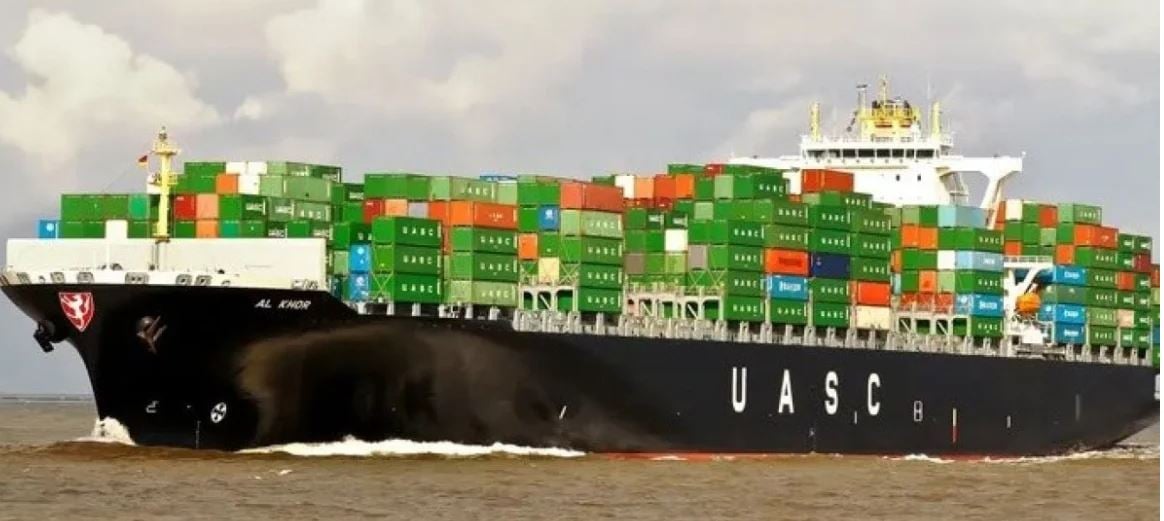
According to US Central Command, the Cyprus-flagged container ship M/V GFS Galaxy was hit while passing through the Strait of Hormuz. US authorities said one crew member is missing following the incident.
British maritime security authorities said the crew was forced to abandon the ship because of a fire on board and was later rescued by the relevant authorities. So far, the full circumstances of the attack have not been clarified by independent sources.
Iran’s version and claims of a maritime route violation
The Iranian navy said it had first fired warning shots at the vessel, claiming it was sailing on an unauthorized route and had switched off its position identification system.
Later, according to Iranian media, the ship was hit by a cruise missile after ignoring orders from the Iranian authorities. These claims have not been independently confirmed.
US response: new wave of strikes on Iranian targets
After the incident, the US launched a new wave of airstrikes, the third this week. According to CENTCOM, US forces struck about 140 Iranian military targets with precision munitions launched from fighter jets, drones and naval assets.
According to the US version, the targets included missile bases, drone positions, naval capabilities, ammunition depots, communications networks and coastal surveillance systems. US Defense Secretary Pete Hegseth said Iran is “paying the price” for the attack on the commercial vessel.
Further claims of attacks in the region
According to the US side, more than 300 Iranian targets have been struck in the last three operations, with the stated aim of weakening Tehran’s ability to threaten freedom of navigation in this strategic corridor.
For its part, Iran’s Revolutionary Guard claimed it had struck a military base in Jordan, another ship in Hormuz, and the US Al Udeid air base in Qatar with ballistic missiles. According to the Iranian claims, support platforms for a US aircraft carrier at the port of Duqm in Oman were also targeted.
Region on alert, but no independent verification of the damage
After the US bombardments, explosions were reported in several places across the region, including Kuwait, Bahrain, Qatar, the United Arab Emirates and Jordan.
However, the claims by both sides about the strikes and the damage caused have not yet been verified. This leaves the true toll of the latest escalation unclear, while one of the most sensitive nodes of global maritime security is once again under pressure.
The latest events show that the memorandum of understanding between the US and Iran, at least judging by developments on the ground, has not restrained a confrontation that is moving ever more toward open conflict.
For now, the public and the markets are relying mainly on the parties’ official versions, while independent verification of the facts remains limited.