
The International Criminal Court is entering a new phase of turbulence. The assembly of the court’s 125 member states voted to remove chief prosecutor Karim Khan, while shortly afterward Venezuela formally notified the United Nations of its withdrawal from the court, further deepening the political crisis surrounding the institution.
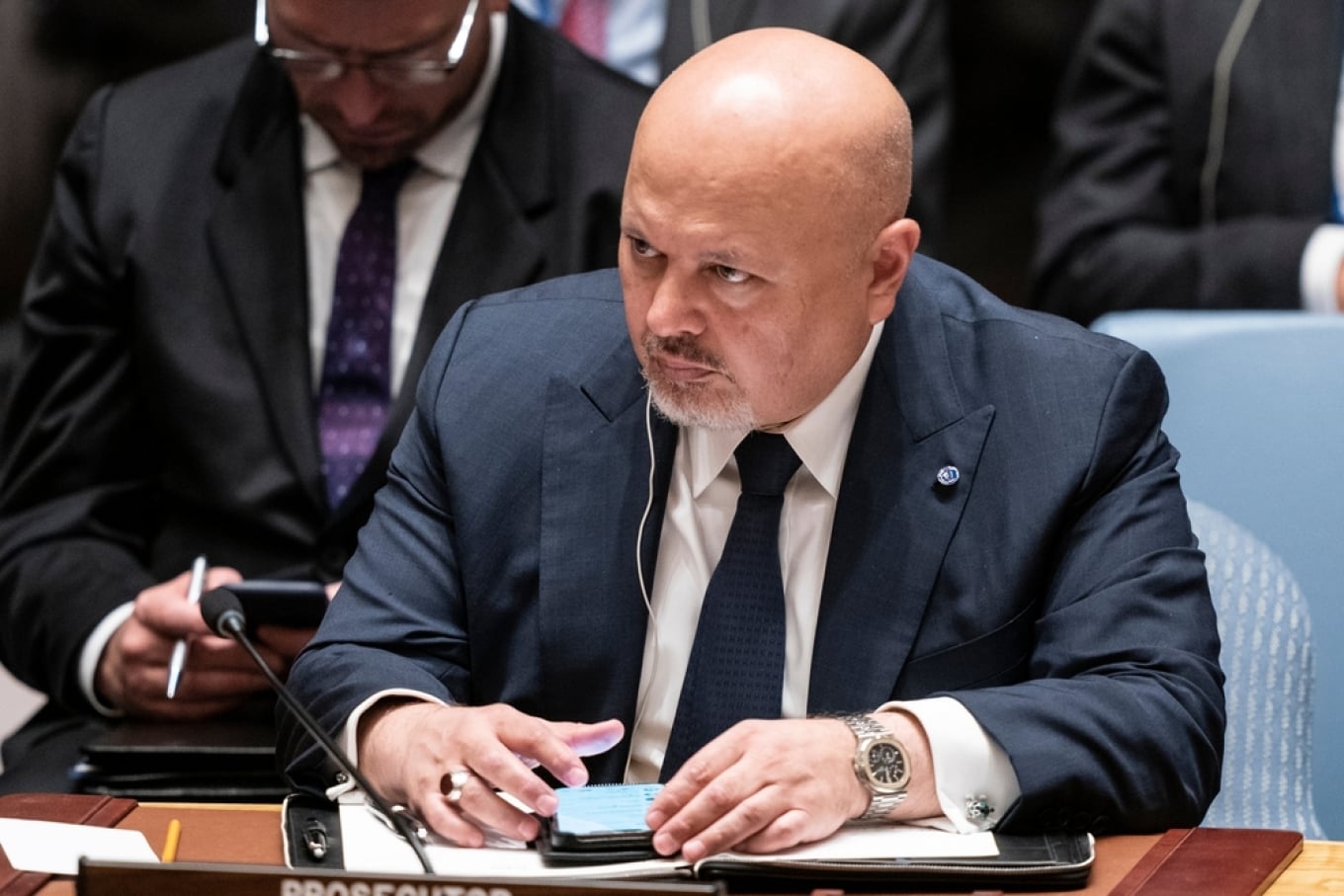
The vote that removed Karim Khan
According to diplomatic sources, 82 of the 125 member states voted in favor of removing the 56-year-old British lawyer from the post of ICC chief prosecutor.
The decision came after Khan faced accusations of sexual assault from a member of his team. He has denied those accusations. Last month, the diplomats who lead the court’s oversight body concluded that he had had an “inappropriate relationship” with a young lawyer and recommended his removal.
Defense objections and a shadow over the process
Khan and his legal team openly challenged the procedure, claiming that the process leading to the vote was unlawful, procedurally unfair, and unsupported by evidence.
Last week, the woman accusing him spoke publicly for the first time in an interview with CNN, where she repeated claims of a non-consensual sexual relationship. The clash between the allegations, denials, and the procedure followed has raised further questions about how such a crisis is being managed at the top of an international institution.
U.S. pressure on the court
Khan’s removal comes at a time when the United States has announced a new diplomatic offensive against the International Criminal Court, portraying it as a threat to American sovereignty.
The United States, which is not a member of the ICC, has imposed sanctions on 11 judges and prosecutors of the court, including Karim Khan. According to the U.S. position, those measures are tied to the arrest warrants against Israeli Prime Minister Benjamin Netanyahu and former Defense Minister Yoav Gallant, as well as earlier investigations into U.S. military actions in Afghanistan.
During a visit to the Philippines, U.S. Secretary of State Marco Rubio said there are “crazy people” at the ICC and vowed that no American politician or member of the military would be tried by the court. Such rhetoric makes even more visible the political battle unfolding around the institution.
What happens to the arrest warrants and the successor
With Khan’s departure, the process of selecting a new chief prosecutor begins immediately, but the appointment of his successor is not expected to be completed before next year.
Despite his removal, the arrest warrants issued during his term remain in force. Only ICC judges have the authority to revoke them, meaning the change at the head of the prosecutor’s office does not automatically undo the decisions made so far.
Venezuela leaves the court
At the same time, Venezuela formally informed the United Nations of its “irreversible” decision to withdraw from the International Criminal Court.
Foreign Minister Felix Plasencia said Caracas took this step while accusing the court of “geographic bias.” According to Venezuela’s position, the ICC mainly targets countries of the Global South, especially those in Africa and Latin America. The move adds pressure on an institution already facing, at the same time, a crisis of legitimacy, diplomatic pressure, and political divisions among member states.
The removal of Karim Khan and Venezuela’s exit place the ICC before a double test: preserving its legal authority and ensuring its political survival in a climate where pressure from states is becoming increasingly open.
For a court that claims to exercise international justice over powerful actors and problematic states, the blow to its leadership and abandonment by a member show that the battle is not only legal, but deeply political.