
A statement that in any functioning democracy would demand immediate political accountability has triggered an institutional response in Kosovo. According to the official version from Prishtina, Serbian minister Snezhana Paunović has been declared an undesirable person and will no longer be allowed to enter or transit through Kosovo’s territory after saying that, if she had been in Slobodan Milošević’s place in 1998, she would have “ethnically cleansed Kosovo.”
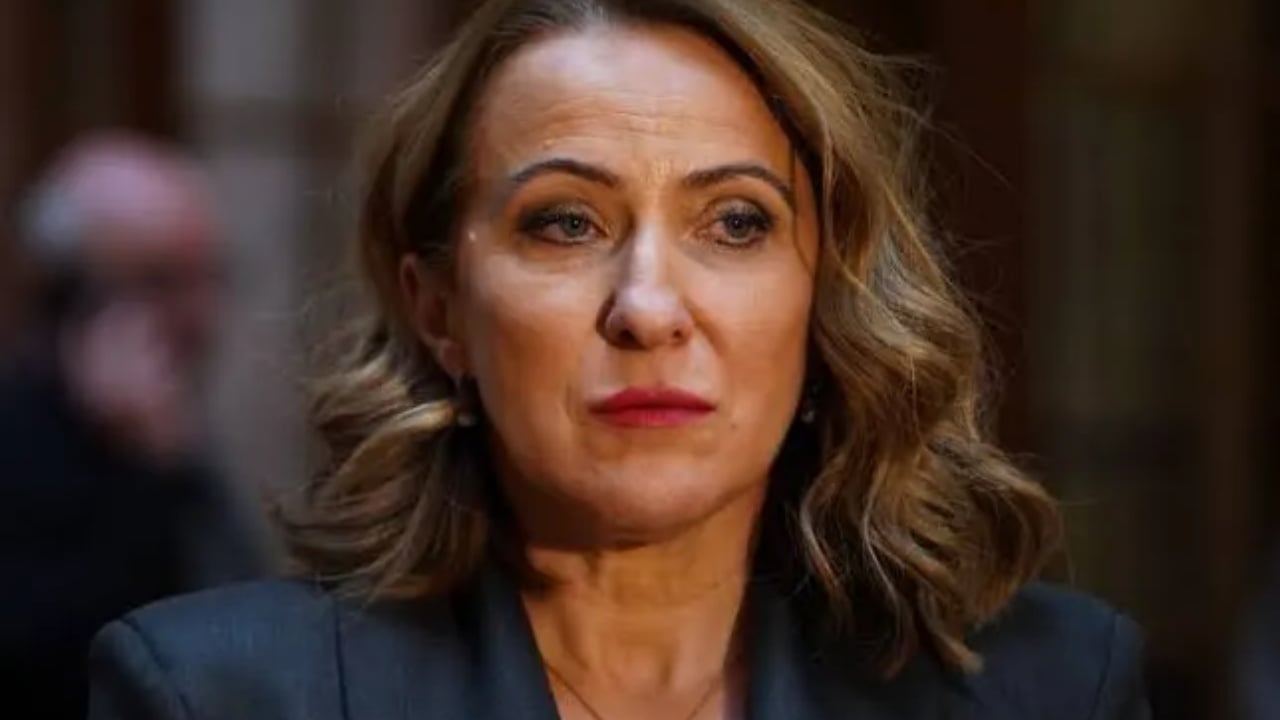
Kosovo’s decision against the Serbian minister
Kosovo’s acting Interior Minister, Xhelal Sveçla, announced that he had signed the decision permanently banning the Serbian minister for Public Administration and Local Self-Government from entering or transiting through Kosovo.
According to Sveçla, Paunović’s statement essentially reiterates a political logic tied to the project of the ethnic cleansing of Albanians, an accusation that Prishtina has articulated for years against Belgrade’s policies toward Kosovo.
What Paunović said
Paunović told Serbian television station Kurir that, if she had been in Milošević’s place in 1998, she “would have ethnically cleansed Kosovo.” She later described it as the harshest statement she had ever made.
In her subsequent reaction, the Serbian minister did not back away from her political position and said she does not renounce the policy of the Socialist Party of Serbia, of which she has been a member since 1992. She added that she was not talking about the “liquidation” of Albanians, but about the removal of those who, according to her, did not feel like citizens of the Federal Republic of Yugoslavia.
Reactions from the EU and Prishtina
Her statements were also condemned by European Union officials. European Commission spokesperson Anitta Hipper stressed that there is no place in Europe for rhetoric that justifies or promotes ethnic cleansing.
Enlargement Commissioner Marta Kos also said she was shocked and expressed hope that this was an individual stance, not the position of the entire Government of Serbia.
Glauk Konjufca also reacted from Prishtina, describing this rhetoric as the glorification of war crimes and a threat to regional stability.
A statement that touches the open wounds of war
The reactions are linked not only to the language used, but also to the historical weight such a statement carries. During the war in Kosovo in 1998-1999, more than 13,000 civilians were killed, mostly Albanians, while more than 1,500 people are still listed as missing.
According to rulings by the Hague Tribunal, the then leaders of the FRY were identified as participants in a joint criminal enterprise aimed at the forced expulsion of hundreds of thousands of Albanian civilians from Kosovo and changing the ethnic balance in order to preserve Serbian control over the territory.
Analysts cited by Radio Free Europe said Paunović’s statement should not be seen simply as an individual slip, but as an indication of Serbia’s failure to confront its past and, in their view, the continuation of a political mindset that has not truly broken with the 1990s.
For now, the concrete measure made public is the Serbian minister’s permanent entry ban from Kosovo. What remains to be seen is whether Belgrade will treat this as a personal incident or as a political test of its relationship with the language of war, historical responsibility and normalization with Kosovo.
So far, according to public reactions, the strongest pressure has come from Kosovo and from critical voices in the EU, while Serbia’s institutional response to the substance of the statement remains essential to understanding whether any distancing will be real or merely formal.