
An unusual decision in European football is coming from Italy. Como has announced that heading will no longer be allowed in its youth teams, a measure linked to long-standing concerns over the long-term effects of repeated impacts on the brain in children and adolescents.
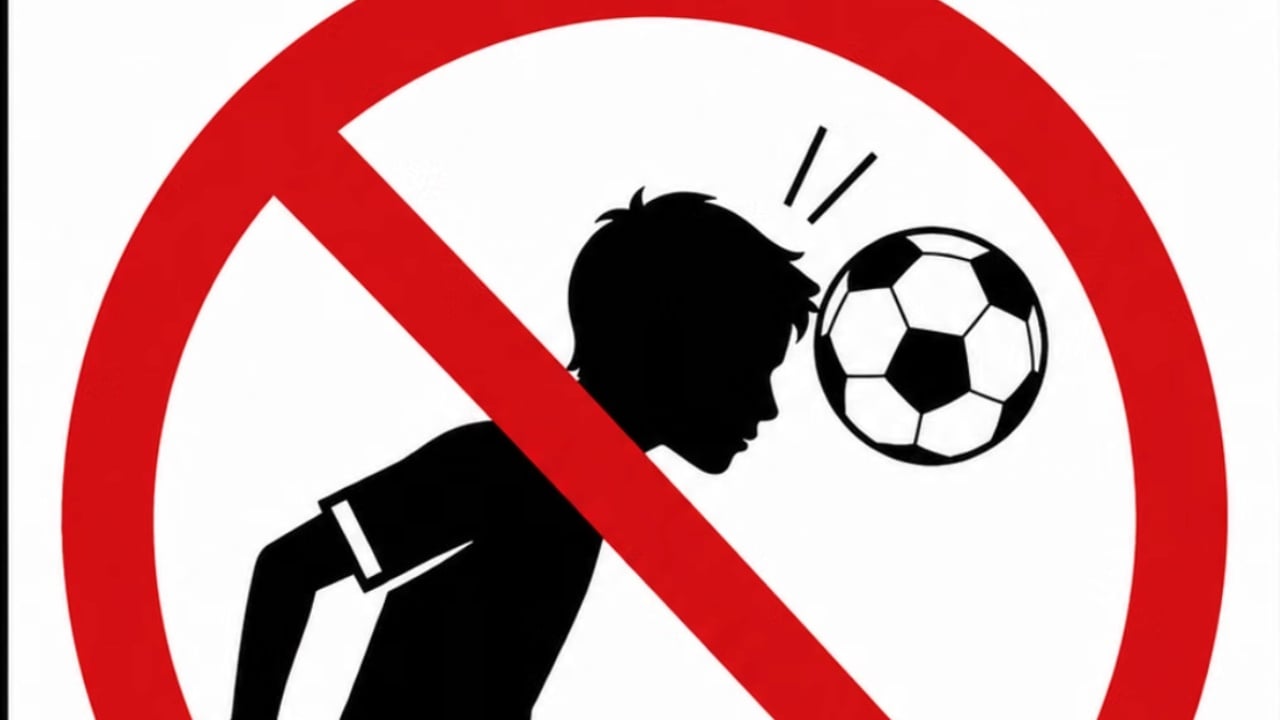
The Italian club changes the rules in its academy
According to the club’s official announcement, Como is introducing a new guideline for the entire academy, with the aim of reducing avoidable impacts and protecting the well-being of young players.
The club presents this as part of a new vision for developing footballers, arguing that heading technique should be taught only later and in a controlled way, when players are ready.
The focus shifts to technique and decision-making
In the younger age groups, work will focus on contact with the ball, decision-making ability and effective play. According to the club’s position, the idea is for confidence and technique to be built gradually, without unnecessary exposure to heading.
Como also says it will manage this element carefully around matches as well, asking coaches to avoid excessive workloads in training immediately before and after games.
An old debate over micro-traumas to the brain
The measure does not come in a vacuum. For a long time, football has discussed the need to limit the long-term consequences of micro-traumas to the brain, especially in young players, whose physical and neurological development is still ongoing.
Como’s decision brings that debate back to the forefront, turning a medical concern into a concrete rule within the academy.
Varane: children’s safety must come first
Raphaël Varane, the former well-known defender who now serves as a member of the Education Board at Como 1907, has also reacted to the step.
In the statement published by the club, Varane stresses that blows to the head must be treated seriously and that protecting children must be a priority. He argues that the new guideline reduces unnecessary contact in the youngest age groups and postpones the teaching of this technique to a more controlled phase.
With this decision, Como appears to be one of the first clubs to turn concern over brain injuries into a direct ban for academy age groups.
In essence, the club is choosing to set stricter limits in children’s football on an issue that has been widely discussed for years, but where action has not always followed at the same pace.