
Erion Veliaj’s international defense team says it has begun preparing an application to Strasbourg, while raising strong questions about how Albanian authorities have handled lawyers’ access to their client in pretrial detention.
The defense claim: the case file is heading to Strasbourg
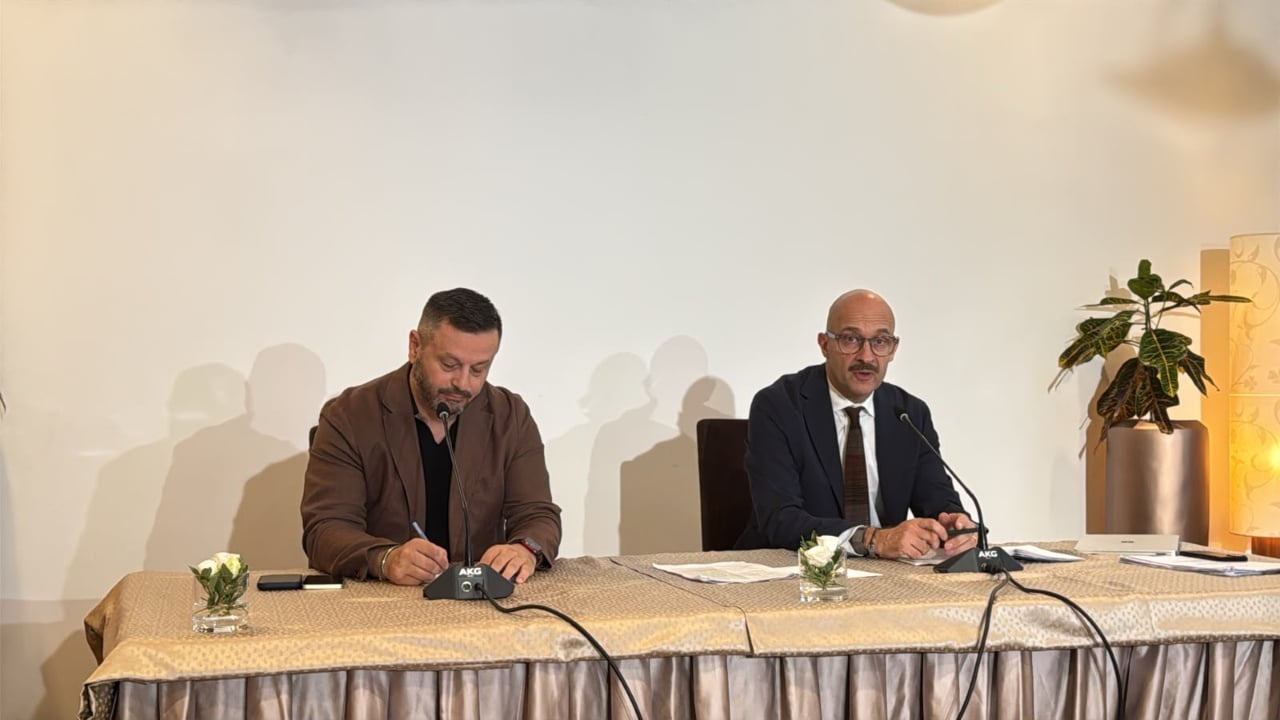
In a public appearance alongside lawyer Plarent Ndreca, international lawyer Ben Brandon said that he and his team are preparing the application expected to be submitted to the European Court of Human Rights.
According to Brandon, in recent days the team has held meetings with Veliaj at the Durrës detention facility to draft the application, and he warned that he will return again in September.
Meeting in detention after 14 months of refusals
The strongest point in the lawyer’s statement concerns access to his client. According to the defense’s version, Albanian authorities allowed them to meet Veliaj only after 14 months of rejected requests.
Brandon said the change in position by the authorities in Tirana came late and remains unclear, raising doubts about the standard followed so far for communication between the detainee and his legal representatives.
Criticism over restrictions on legal defense
The lawyer described the previous refusal of access for the legal representatives chosen by Veliaj as unacceptable. At the core of his position is the claim that the right to choose lawyers and to have access to them should not be conditioned by unclear administrative or institutional decision-making.
The statement once again puts the spotlight on how Albanian institutions administer the right to defense in cases with a high public profile, especially when decisions on access change after months of refusals without a full public explanation.
What is known so far
Brandon said his team has represented Veliaj since the beginning of his detention. He added that the immediate goal now is to finalize the Strasbourg application.
For their part, the authorities did not make public in this communication any explanation for the reasons behind the lengthy refusals, nor for the subsequent change in approach toward the international lawyers chosen by Veliaj.
The case is therefore also moving onto the European human rights plane, with an emphasis on how the Tirana mayor’s legal defense has been guaranteed — or restricted — during pretrial detention.
Beyond the defense’s statements, it remains essential for institutions to provide a clear and verifiable explanation for the 14-month delay in allowing this access.