
A new regulation approved at GJKKO has prompted a reaction from the Democratic Party, which views with suspicion the way it is expected to limit the work of journalists on court premises. According to the opposition, the argument of security and the solemnity of proceedings should not become a justification for less transparency in an institution of high public interest.
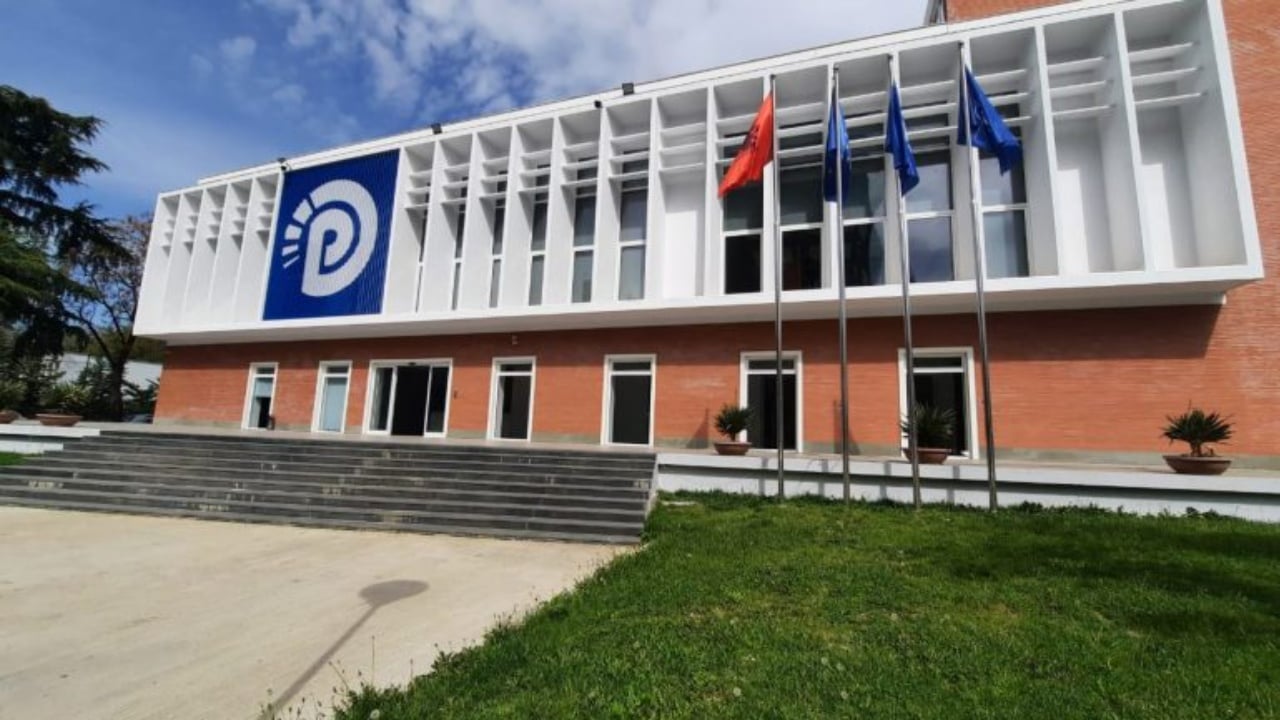
PD raises alarm over media access
Through spokesperson Floriana Garo, the Democratic Party said it supports the independence of justice institutions and the security of judicial proceedings, but opposes any interpretation that, in its view, could lead to information being closed off from the public.
In its response, PD argues that the solemnity of judicial proceedings should not turn into censorship and that the independence of justice cannot be read as an evasion of public scrutiny.
Most disputed points of the regulation
According to the version made public by PD, the main concerns are linked to the possible requirement for journalists to apply in advance to follow court hearings, as well as restrictions on the use of electronic devices.
The opposition sees this as a practical obstacle to reporting, especially in proceedings of high public interest, where the pace of information and real-time verification are part of the daily work of the media.
Debate over phones and work tools
PD opposes the ban on mobile phones and other electronic devices for journalists, stressing that they are used for communication with newsrooms, note-taking and immediate reporting.
In this reading, restricting basic work tools is presented not simply as a security issue, but as a measure that could directly affect how information is published and filtered from a court handling sensitive cases.
Questions also over the “media pool” system
Another contested point is the “media pool” system, which envisages the distribution of footage from proceedings of high public interest through the court’s own infrastructure.
According to PD, this mechanism must guarantee pluralism and should not turn into a model in which the institution that is the subject of reporting also controls the visual material coming out of it.
Concerns over disciplinary measures against the media
The response also raises doubts over the use of broad wording such as “violation of dignity,” which according to PD could be accompanied by measures such as suspension or removal of accreditation.
For the opposition, such terms leave room for broad interpretations and could be used to put pressure on the media in an environment where transparency and accountability remain essential.
The debate over the new regulation at GJKKO once again raises the issue of the balance between institutional security and the public’s right to be informed.
At its core, PD’s objection targets the way the new rules could affect not only the presence of journalists in the courtroom, but also the practical control of the information coming out of the country’s most closely followed judicial proceedings.