
The 2026 amnesty is expected to affect a large volume of criminal cases, with a preliminary estimate of around 10,000 case files that could be closed. At the center of the debate remains not only the implementation of the law, but also the slow pace of the courts and prosecution offices, in a system that continues to produce delays even when a legal mechanism has been put in place to avoid them.
Complaints over delays in issuing reasoned decisions
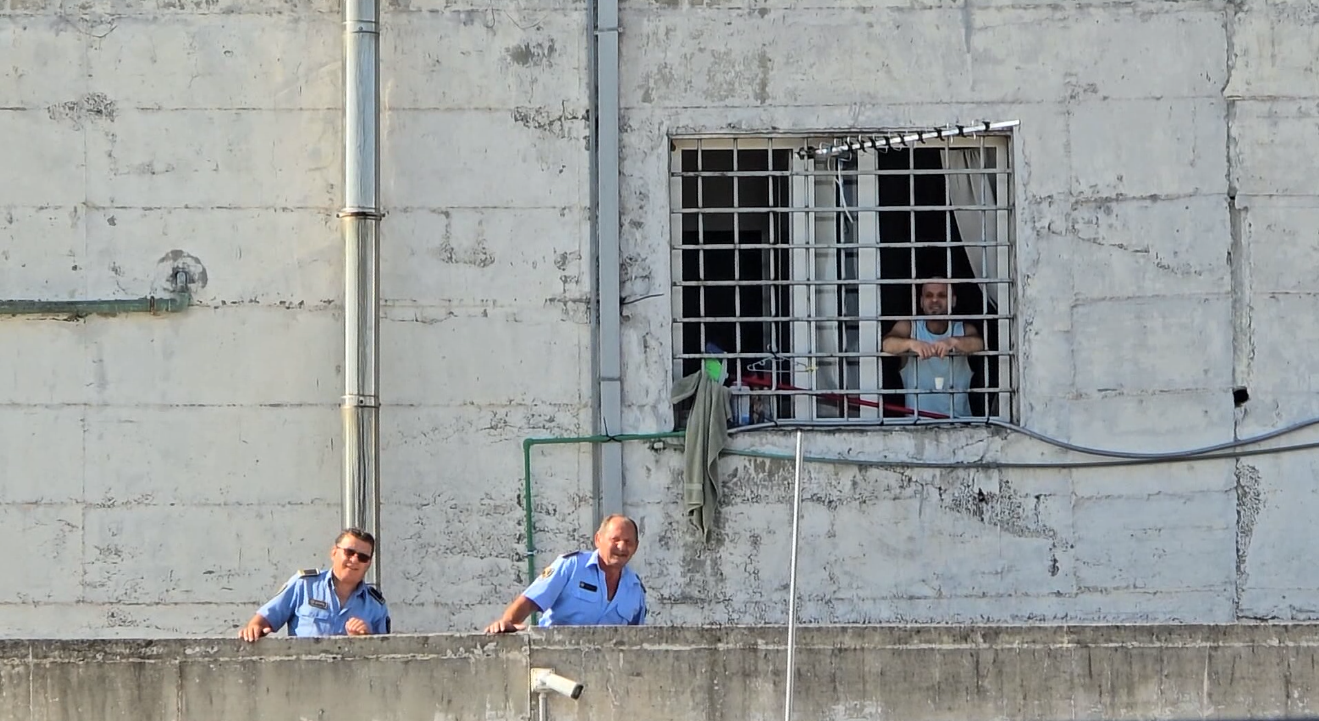
Convicted individuals who have turned to the Ombudsman complain that the judiciary continues to issue reasoned decisions with delays, in practice dragging out the benefits provided by the amnesty. The problem becomes more sensitive because the 2026 amnesty law also includes cases in which a ruling has been delivered but has not yet been reasoned.
This category includes people who were on trial and for whom the decision was announced by May 31. The logic of the law, under this mechanism, is for the defendant to have the opportunity to waive an appeal when the offense for which they were convicted is among those covered by the amnesty.
Çela’s instruction to prosecutors
In the instruction signed by Prosecutor General Adriatik Çela, prosecutors are asked to dismiss criminal charges or not initiate proceedings for reports related to offenses committed up to May 31 and covered by the amnesty.
According to the official version, this concerns criminal offenses carrying a sentence of up to three years in prison, with the exception of subjects who do not benefit from the law. The instruction goes further and also calls for the closure of cases previously suspended because the perpetrators were not found.
Expectations for thousands of case files, but still no full tally
Before the law entered into force, it was projected that nearly 10,000 investigations and proceedings would be closed through pardon, mainly for non-injury accidents, drunk driving, unlicensed construction and misdemeanors.
However, prosecution offices have not yet reported to the General Prosecution Office the exact volume of case files that will be closed definitively. This means the real scale of the amnesty’s impact on the system remains unclear, despite earlier projections.
Impact on the system’s workload
There is still no final number for the cases that will be amnestied in the category of suspended files as well, but expectations are that the measure will directly affect the backlog accumulated over the years in prosecution offices and courts.
According to the instruction, in September the heads of all prosecution offices must inform the Prosecutor General about the number of beneficiaries, the cases not initiated, those dismissed during the investigation and the cases closed during trial. It is precisely then that it is expected to become clear how much of the promise of “freeing up” the system will actually materialize in numbers.
The amnesty is being presented as a way to reduce the burden on the criminal justice system, but delays in issuing reasoned decisions and the lack of full reporting from prosecution offices show that implementation remains just as important as the law itself.
For the moment, the picture remains partial: the instruction has been issued, but its real effect on thousands of case files and on the pace of justice will be measured only when institutions publish the concrete figures.