
Fuel prices have returned to the center of political debate, this time with direct accusations against the government over a lack of response. The Democratic Party claims that fuel is being sold at around 229 lek per liter, a level that it says is hitting families, businesses and the manufacturing sector, while the executive is not using the fiscal instruments at its disposal.
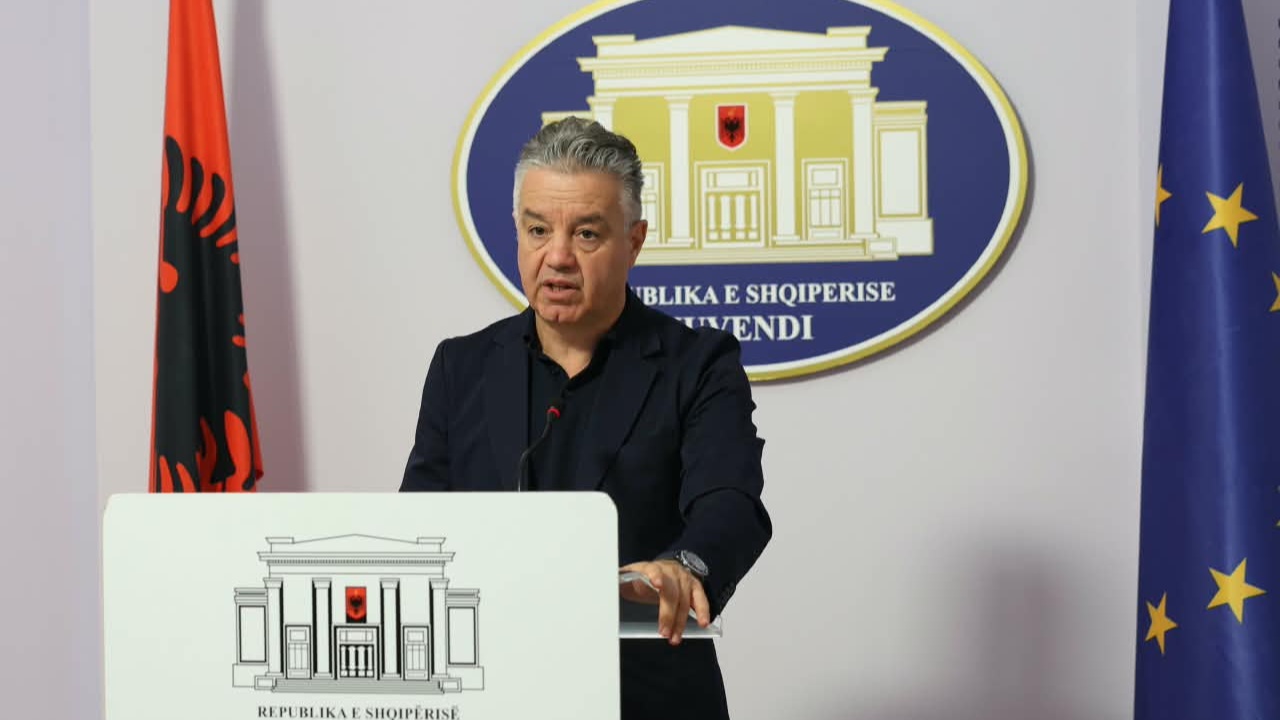
PD calls the situation an emergency
In a public statement, PD lawmaker Eno Bozdo described the rise in diesel prices as an emergency situation for the country’s economy. According to him, the current price level is weighing not only on household budgets, but also on production and service costs.
The opposition says diesel is being sold at around 229 lek per liter, or approximately 2.5 euros, and uses that figure to accuse the government of remaining passive in the face of a burden that directly affects the market and consumption.
Claim of high taxes and a price above the region
According to figures cited by the PD, Albania ranks among the countries with the highest diesel price in the region and above the European Union average. Under the same account, fuel in Albania is significantly more expensive than in Serbia, Kosovo, North Macedonia, Montenegro and Bosnia and Herzegovina.
At the center of the accusation is the fiscal structure applied to fuels. According to the opposition, around 53% of the final diesel price is made up of taxes and duties, including the excise tax, the circulation tax, the carbon tax and 20% VAT, which is also applied on top of the other taxes.
Call for immediate intervention
The PD is calling on the government to immediately ease the tax burden on fuels. The proposal announced publicly is the elimination of the circulation tax and a temporary reduction in the excise tax, arguing that such a combination would bring the price of diesel in Albania closer to the regional average.
The opposition also claims that other countries in the region have intervened with relief measures such as excise cuts, VAT reductions or margin caps, while in Albania a similar response is lacking.
Political clash shifts to fuel revenues
In its statement, the PD also links rising prices to the government’s fiscal interest, claiming that more money was collected into the budget during previous oil crises. This is the main line of the political attack: that citizens pay more at the pump, while the government does not give up the additional revenue.
The opposition also says that its legislative initiatives to ease the burden on fuels have been rejected in Parliament by the votes of the socialist majority, making the debate not only economic, but also openly political.
The debate over fuel prices brings back into focus a question that is repeated whenever the market moves upward: how much of the bill at the pump comes from the international market and how much from the government’s fiscal choices.
For now, the accusation is clear: the opposition is demanding tax cuts and immediate intervention, while the price burden continues to fall on consumers and businesses.