
Pope Leo XIV has taken a firm stance against the death penalty, describing it as an unacceptable practice that, he said, violates the dignity and inviolability of human life. The statement comes at a time when the debate over executions has flared up again, particularly in the United States.
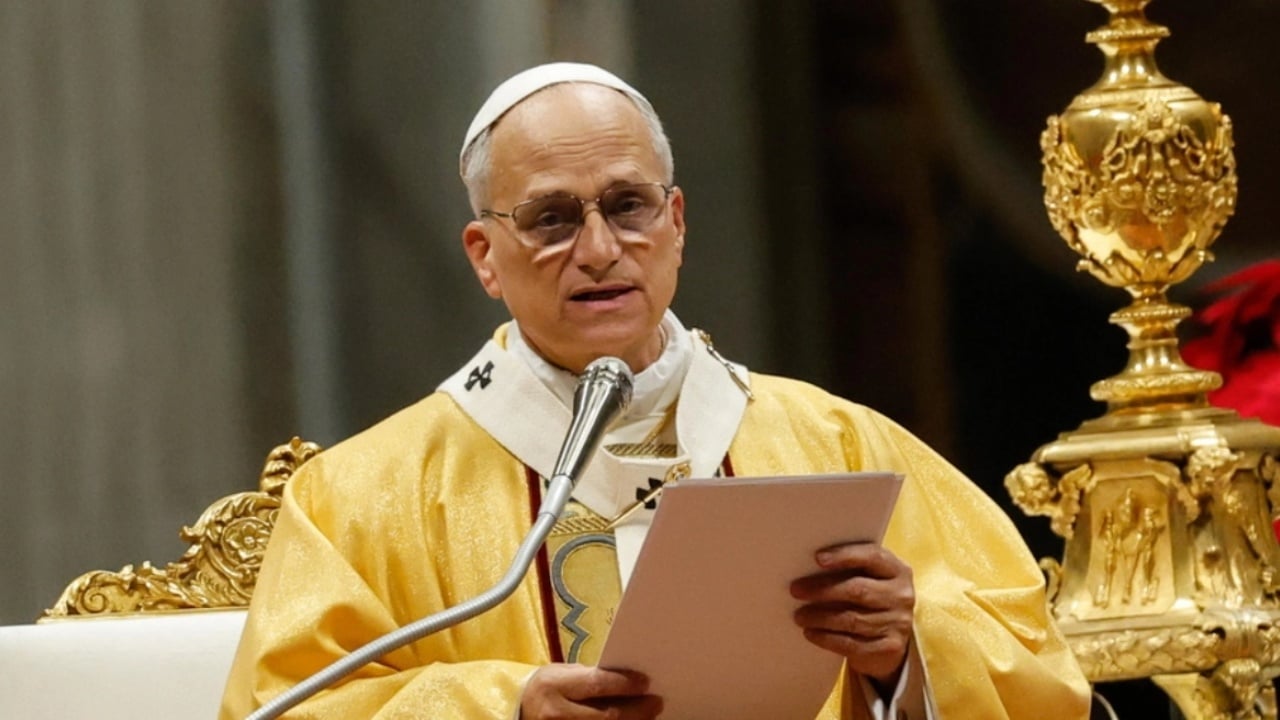
The Pope’s stance on executions
In a message published on the occasion of the International Day Against the Death Penalty, the head of the Catholic Church wrote that the death penalty is unacceptable, directly linking his opposition to the protection of human life.
The Pope argues that public order and justice do not necessarily depend on the execution of those convicted, but can also be guaranteed through other criminal penalties.
Focus on detention and rehabilitation
In his statement, Pope Leo XIV places emphasis on the existence of effective detention systems, which, he said, are capable of protecting citizens without entirely denying the convicted person the possibility of repentance and rehabilitation.
This is a position that shifts the debate from the logic of ultimate punishment to the function of justice and the way the state chooses to exercise its power over human life.
Reaction comes amid debate in the US
The Pope’s statement was published at a time when reactions have increased in the United States over reported plans to broadcast a firing squad execution live.
According to reports, the case concerns Nidal Hassan, a former major in the US Army sentenced to death for the 2009 mass shooting at Fort Hood, Texas, who is expected to be executed on December 3.
Pressure from the UN and US politics
The plans to broadcast the execution have also prompted reactions from United Nations representatives, as well as from American politicians from both sides.
In this climate, the Vatican’s position appears as a clear opposition to the idea that justice can be identified with taking a life, especially when the execution risks turning into a public spectacle.
Pope Leo XIV’s message brings back to the center an old but still heated debate: whether the state can claim to protect life and order by taking life itself.
His position is based on the idea that public safety and justice can be guaranteed without resorting to the most irreversible form of punishment.