
Two American professors, Robert E. Hall and Michael Woodford, have been named the winners of the 2026 Nobel Prize in Economics. According to the Royal Swedish Academy of Sciences, they were recognized for developing economic models aimed at giving governments and central banks more tools to cope with external shocks and preserve economic stability.
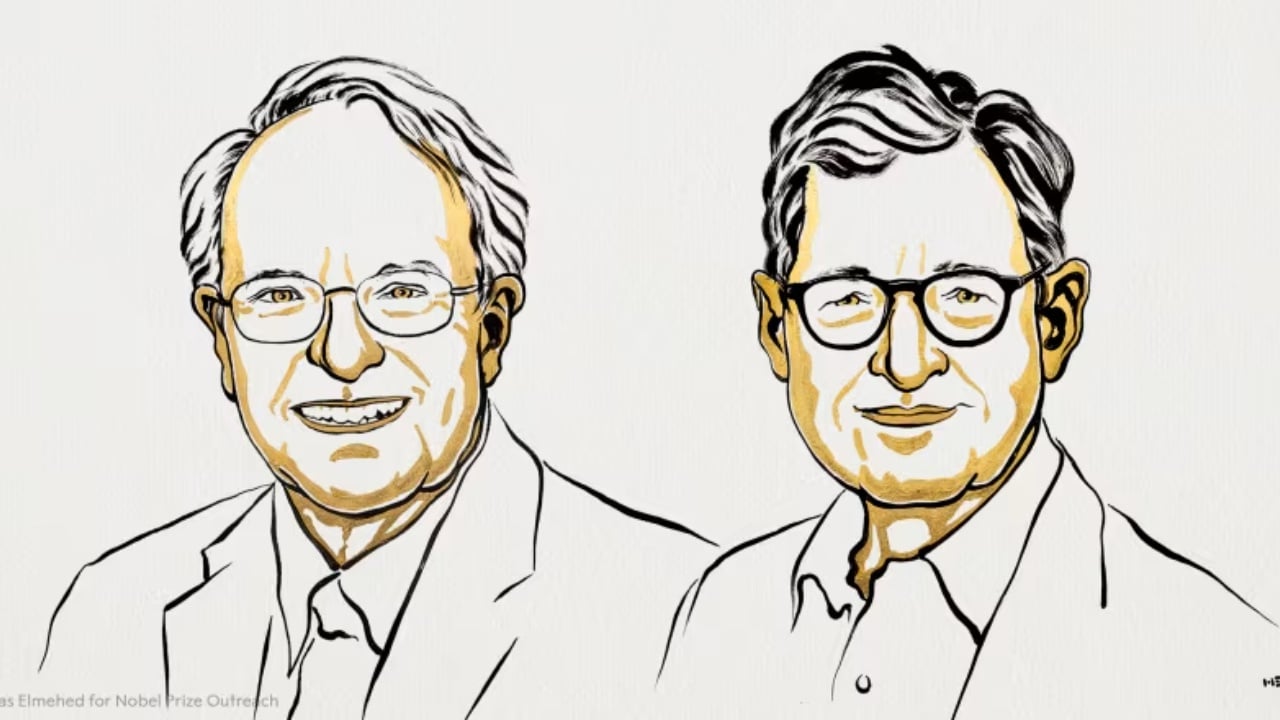
The announcement from Stockholm
The winners were announced on Monday in Stockholm, in the official statement of the Royal Swedish Academy of Sciences.
The recognition for Hall and Woodford is tied to their work in the field of macroeconomic analysis and to the way these models, according to the academy, help institutions respond to sharp economic fluctuations.
What was specifically recognized
According to the academy’s official version, the work of the two economists has contributed to improving the way public institutions understand and manage economic cycles.
The emphasis was placed on the use of these models to soften periods of rapid growth and declines in economic activity, a claim the academy summed up with the idea that the winners have helped reduce the peaks and downturns of the economy.
The role of the models for policymakers
The models developed by Hall and Woodford are intended to give policymakers better tools to analyze the impact of external shocks on the economy.
According to the statement, these approaches are used to design policies that help preserve economic stability, especially in moments of uncertainty for governments and central banks.
This year’s prize brings attention back to the weight that theoretical models carry in public economic decision-making, especially when economies face strong shocks.
Beyond the usual institutional wording that accompanies the prize, the essence of the recognition remains the impact of this work on how economic crises are interpreted and managed.