
Student protests entered a third day this Thursday, with a boycott of classes at high schools and universities in Tirana and several other cities. In the capital, pupils and students began gathering outside Parliament from the early hours, while the political climate has grown even more strained after tensions reported a day earlier.
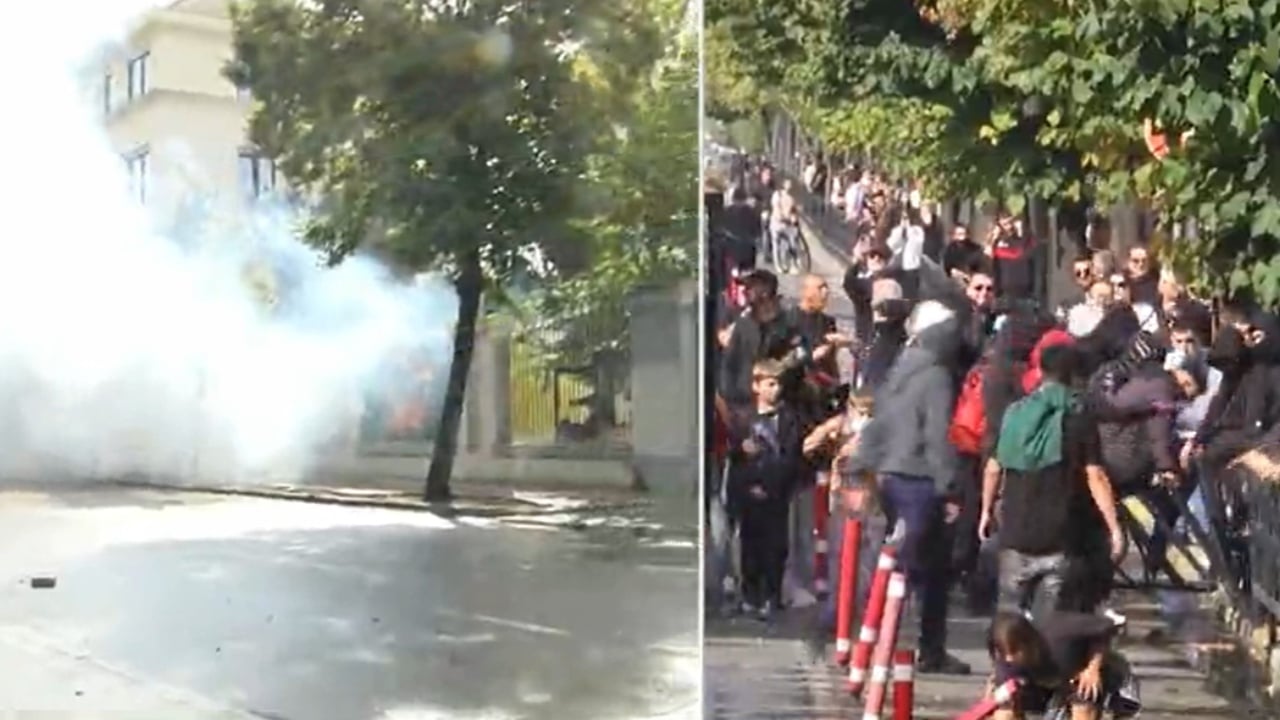
Boycott in schools and universities
According to reports, calls for protest were reflected in a boycott of classes both in Tirana and in other cities across the country. High school students and university students have joined the movement, mainly following calls circulated on social media.
The spread of the boycott beyond the capital shows that the protest has not remained an isolated local reaction, but has become a broader development at a time when institutions are facing growing public pressure.
Gathering outside Parliament
In Tirana, the gathering outside Parliament began in the morning. This shifts the day’s political focus to the street rather than the usual institutional agenda.
The presence of protesters at a key site such as Parliament puts pressure not only on the Ministry of Education, but on the entire majority, which is facing a heated situation on the ground.
The consequences of the previous day’s clashes
Thursday’s protest comes after Wednesday’s episodes in Tirana, where clashes, fires and material damage were reported on roads, at institutions and at businesses.
These developments have significantly worsened the situation and raised further questions about the institutional handling of the protest, at a time when public tension does not appear to have eased.
Parliament pulls back, Rama accuses the opposition
In this climate, lawmakers canceled the plenary session scheduled for this Thursday. The decision comes on a day when public and political attention is focused on the student protest and its consequences.
Meanwhile, Prime Minister Edi Rama reacted after Wednesday’s protest by accusing the opposition of trying to block Albania on its path toward Europe. This is the political version of the majority, while on the ground the protest is appearing as a crisis that is directly testing the response of institutions.
So far, the picture remains tense: a boycott in education, gatherings in the capital, and a Parliament that has removed its normal proceedings from the day’s agenda in the face of pressure from the street.
What is clear is that the third day of the protest is pushing the confrontation from campuses and high schools toward the center of political decision-making.