
A televised debate between the young man Angjelo and Minister Mazniku devolved into a highly emotional confrontation, as the student broke down in tears and accused the government of pressuring protesters and their families. At the center of his reaction were also questions over the use of special forces to protect state institutions.
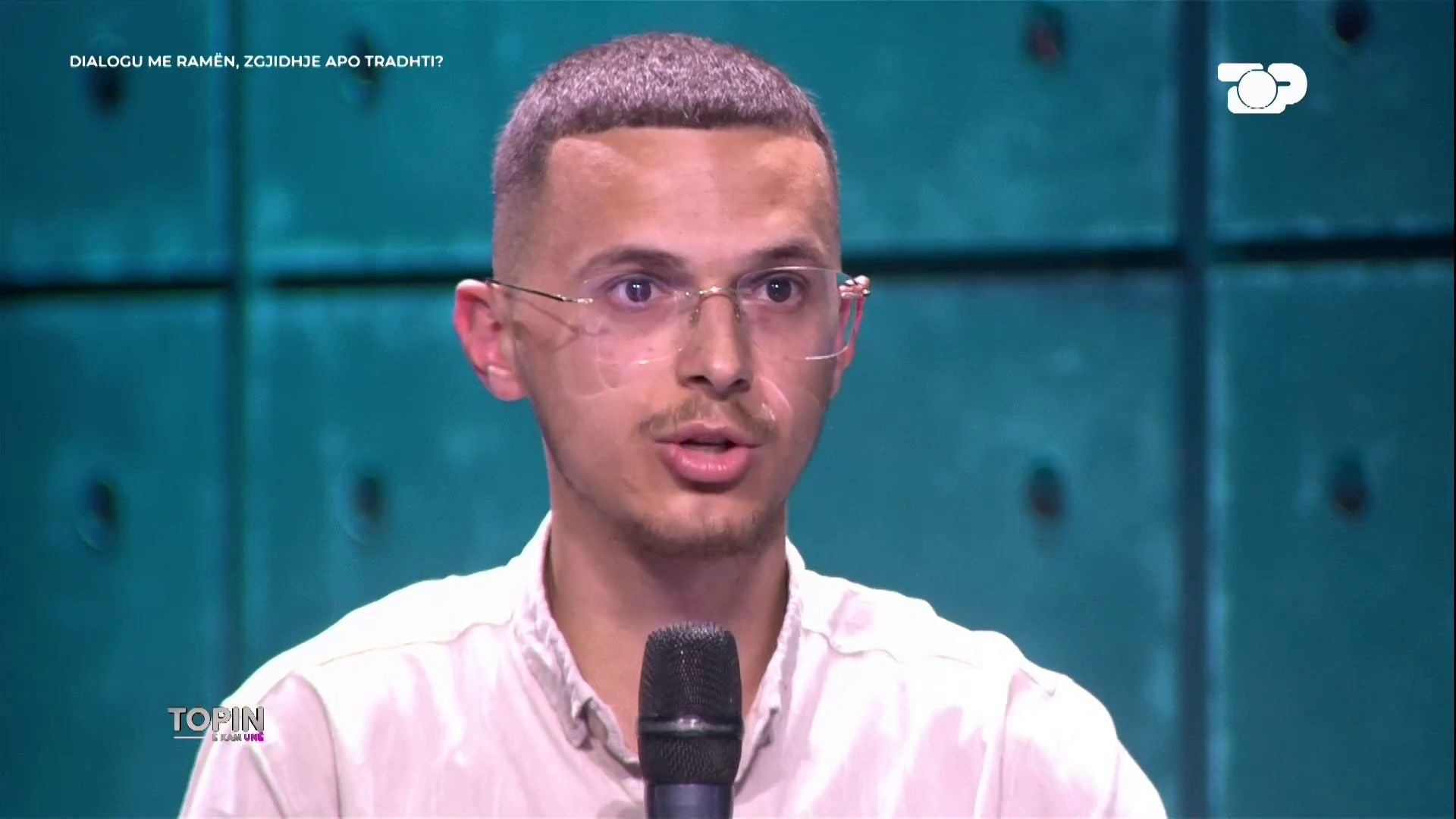
The confrontation escalated to tears
During the studio debate, Angjelo reacted in harsh tones toward Minister Mazniku, accusing the government of the way it is dealing, in his view, with protesters. Emotions rose to the point that the young man broke down in tears out of frustration.
Such public exchanges once again highlight the strained climate between government representatives and young people opposing its actions, especially when the confrontation shifts from the street to the television studio.
Accusations of pressure on families
The student said that the pressure, according to his version, is not being exerted only on the young people who are protesting, but also on their parents. He presented this as a form of intimidation affecting families beyond the protest itself.
According to his statement, parents are asking their children to be careful, which he linked to the climate of tension created around the protesters. These are accusations made in the studio and not facts verified by institutions in this report.
Questions over RENEA and the government’s legitimacy
In his remarks, Angjelo also raised the issue of RENEA forces being deployed to protect the Prime Minister’s Office, questioning the proportionality of this measure in relation to the protesters. He used this as an argument to sharply attack the government’s approach to the situation.
The student went further, declaring that the government has lost its legitimacy. This remains a political accusation made at the height of the debate, while the gap between the official narrative and the protesters’ perception was clearly reflected in the studio.
Call for officials to go into the field
Amid the strong rhetoric, the young man called on the minister to see the reality on the ground firsthand, claiming that the situation cannot be understood from television studios or through the government’s public communications.
His statement also mentioned serious alleged incidents on the ground, but without additional details that would allow independent verification in this report. This is precisely where the most sensitive point of the debate remains: when accusations are serious, but institutional responsibility for public clarification often comes late or remains incomplete.
The clash between the student and the minister brought to the surface not only the emotional tension of the protest, but also deep distrust toward the way institutions are managing the situation.
When public debate moves from political disagreement to allegations of pressure and use of force, the burden of accountability falls on the government to clearly explain the limits of its actions.