
Another wave of blows at the top of power in Beijing is raising questions about the true scale of the reorganization within the Chinese Communist Party. During the fifth plenum session of the Central Committee, 33 senior officials were removed, in a development being read as an indication of Xi Jinping’s deepening control over the party and the military.
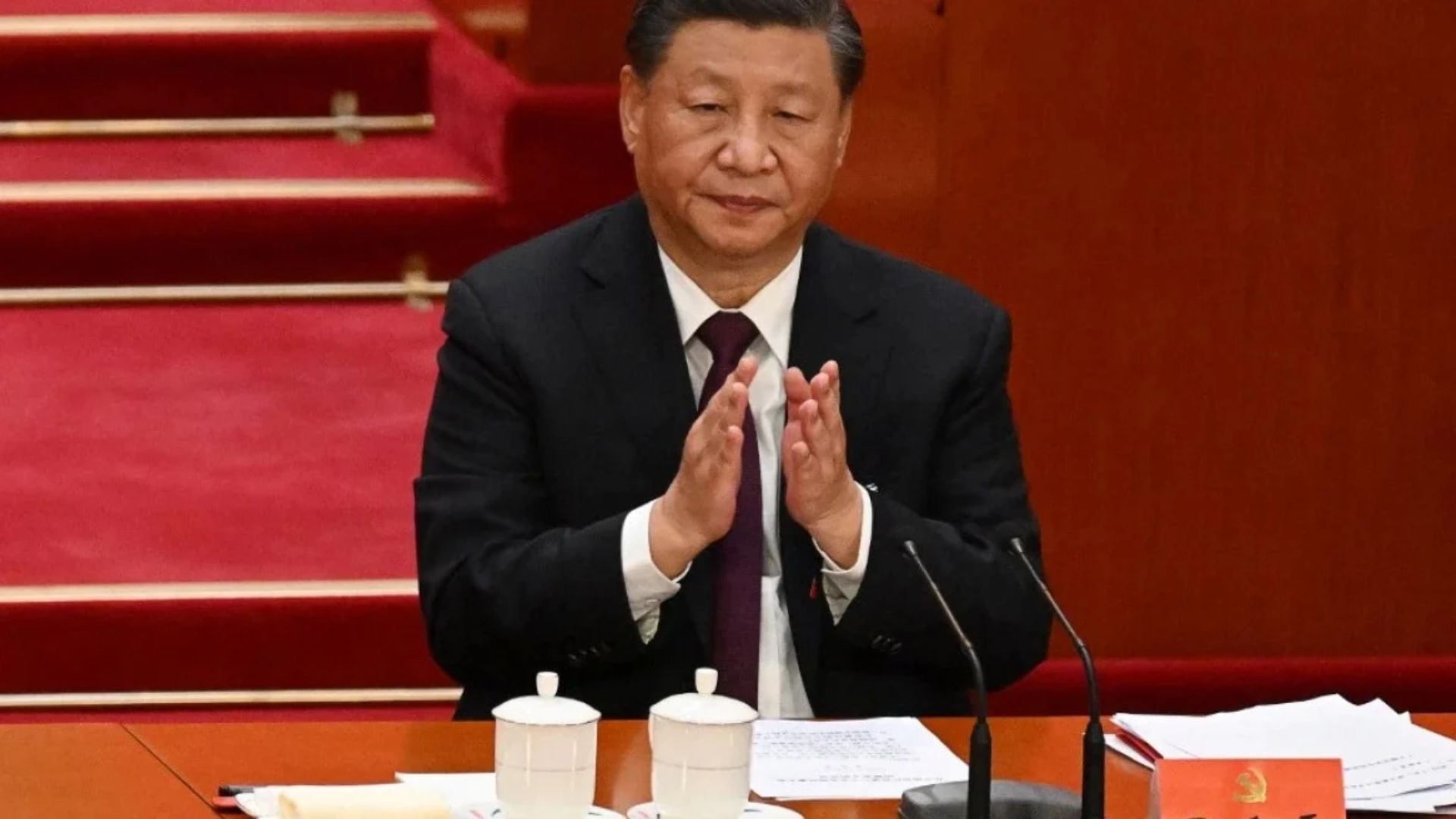
Plenum with unusual gaps at the top of the party
According to reporting by the Guardian, only 279 full and alternate members of the Central Committee attended the meeting, while 376 had originally been elected in 2022.
This means that more than one in four members of the original composition were absent from this session, a ratio that highlights the scale of the internal shifts within China’s political leadership.
33 removals and a new record for the leadership structures
The figure of 33 removed officials is considered a record, while the number of empty seats in the hall has been described as the highest recorded at a plenary session of the Central Committee in modern Chinese history.
The picture emerging from this meeting suggests a deep restructuring of the party leadership and the armed forces under Xi Jinping’s direction.
Confirmed names and official silence on the others
Among the officials confirmed as dismissed are Zhang Yuxia, former deputy commander in China’s military leadership after Xi Jinping, as well as Ma Xingrui, former Communist Party secretary in the Xinjiang region.
No official explanation has been given for the absence of other officials, leaving open interpretations about the real reasons for the removals.
The political message behind the wave of removals
Neil Thomas, a senior fellow at the Asia Society think tank, assessed that the large number of vacant seats showed the plenary session was focused on Xi’s vision of strict internal discipline.
In the absence of full clarification from the Chinese authorities, the development is being seen as another signal of tightening political control at the highest levels of the system.
The mass removals at such an important party forum suggest that behind the facade of institutional stability, a purge with direct impact on the center of power is continuing in Beijing.
What remains unclear is not only the full reason for these removals, but also how deeply the reconfiguration of China’s political and military apparatus extends.