
Nvidia, one of the most powerful companies in the global technology industry, has entered a crisis that simultaneously affects its executive leadership and sensitive security issues. The company’s board has decided to open an investigation after CEO Jensen Huang admitted to a personal affair, while reports are also being reviewed that he may have been the target of foreign espionage.
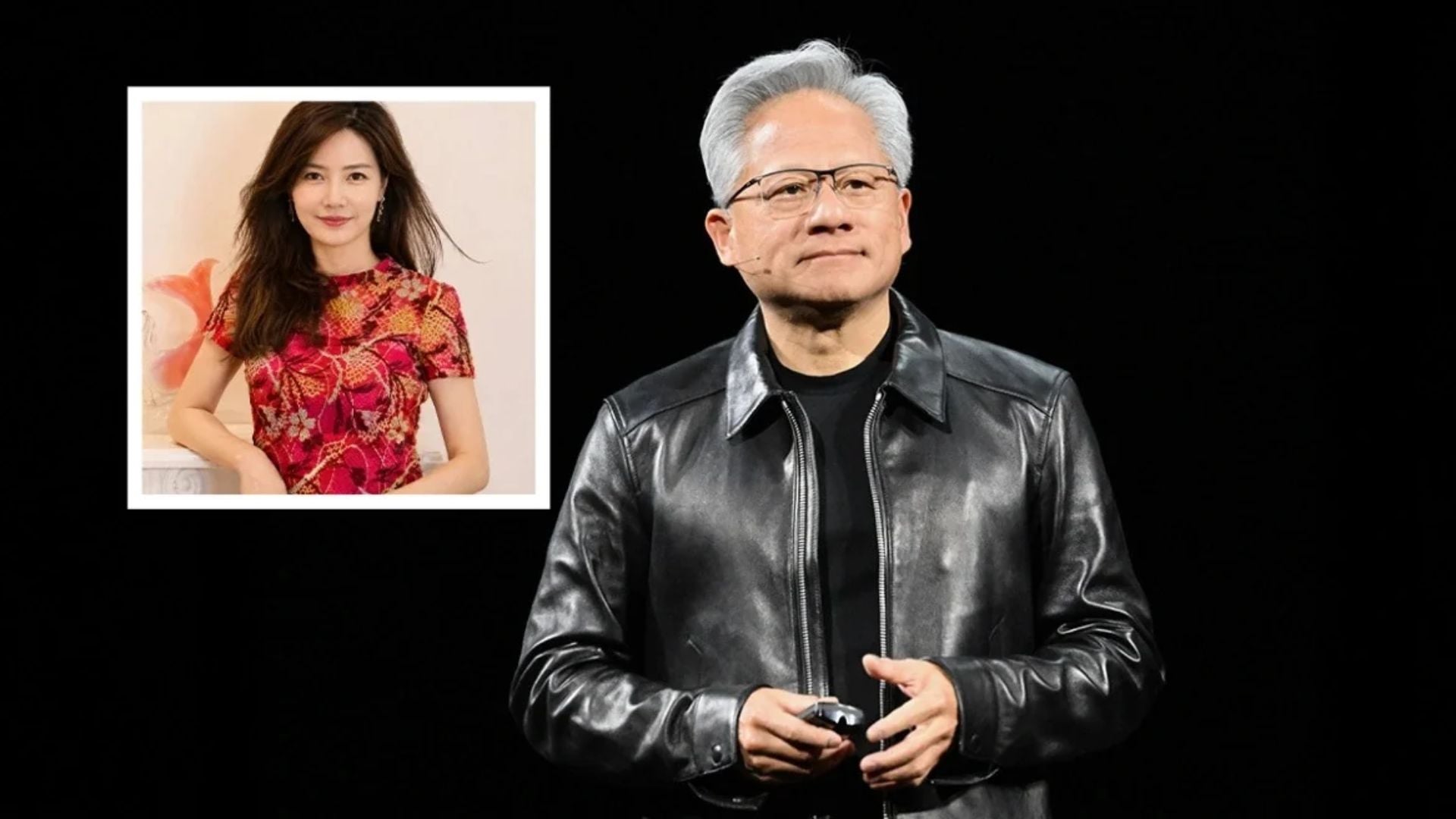
Board sets up special committee
In a public statement, Nvidia’s board said it will create a committee made up of independent members, which will work with outside legal advisers to oversee the investigation.
According to the company’s official version, the investigation will examine information related to claims that its chief executive may have been targeted by foreign intelligence agencies.
The company added that, at this stage, the board has no reason to believe Nvidia’s secrets or national security matters have been compromised, but that all available data will be verified.
Admission of the affair and the CEO’s response
In a memo addressed to staff, Jensen Huang expressed regret over the extramarital relationship and admitted that he had betrayed his wife.
He said his actions had hurt his family and that there is no justification for what he did. The company also said Huang will fully cooperate with the investigation.
Despite the developments, he will remain in his role as CEO until the results of the investigation are released.
Suspicions of ties to a sensitive network
According to Bloomberg, Huang’s response came after a series of reports linking the matter to Alice Huang, a former executive at Megaspeed International, whom the U.S. government suspects may have been recruited by a Chinese espionage agency.
Earlier, Jensen Huang had described his relationship with her as a “normal relationship.” However, public information about Alice Huang’s background remains limited and, in some respects, contradictory.
The New York Times has reported that it is not clear when they first met, while some information about her professional activity has not been independently confirmed.
Questions also over the company’s structure
The current crisis also highlights another weakness at Nvidia: the absence of a public succession plan for the company’s leadership. Huang is considered the central figure in its organization, and there is no clear successor on the horizon.
According to reports, he has built a less formal management structure, relying on the rapid implementation of his decisions, a model that has given the company flexibility but also a strong dependence on a single individual.
That makes any investigation into the CEO more than a personal issue: for a company with such weight in the global semiconductor and artificial intelligence market, the consequences could affect investor confidence and leadership stability.
Shadows over the technology chain and exports
The cited reports also raise doubts about Megaspeed’s activity and its ties to China’s semiconductor sector. According to these claims, the network of ties to Nvidia’s chief was used to raise capital and promote investment in data centers in China.
It has also been reported that Megaspeed purchased 136,000 Nvidia graphics cards, while it remains unclear where all of the units ended up. This is a particularly sensitive point given that the United States has imposed restrictions on the export of certain technologies to China.
In the absence of definitive facts, these remain serious allegations that further underscore the need for a full and transparent investigation.
Beyond the personal dimension, the issue is becoming a test of how a giant corporation manages risk, conflicts of interest and strategic security.
At a time when Nvidia remains at the center of the global race for artificial intelligence, any uncertainty surrounding its top leader carries far greater weight than an ordinary corporate scandal.