
The promise of “flying cars” is returning to the center of attention once again, this time from China. But, at least for now, it is more a limited aerial vehicle than a car that will move freely like traditional vehicles on the road.
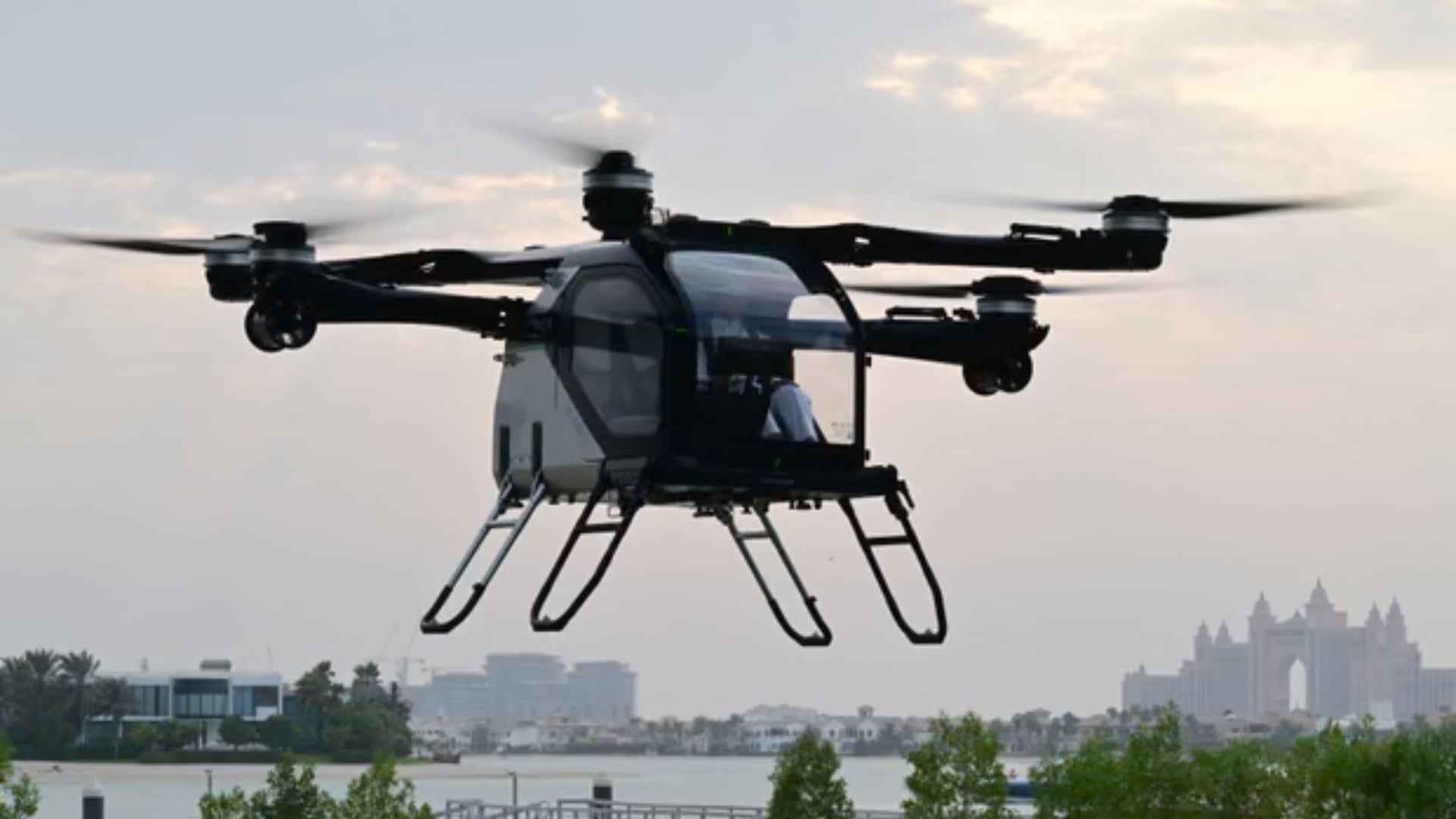
XPeng points to use from the second half of 2027
Chinese company XPeng has announced that its two-seat flying vehicle is expected to be ready for use in the second half of 2027. According to the company, the first phase will focus on recreational activities in rural areas and on some emergency services.
The wording leaves no room for free interpretation: this is about limited use, not mass entry into circulation. Even the version presented publicly puts the emphasis on specific areas and specific use scenarios.
The price reaches around $300,000
According to XPeng, the model will cost around $300,000 and is the result of nearly a decade of development. That figure puts the product far from broad use, at least at this stage, steering it toward a narrow market or specialized uses.
The Guardian reported that the vehicle has received approval from China’s civil aviation authorities for limited use. This means the project has passed an institutional filter, but not that the way has been cleared for barrier-free use.
No wheels, flies with six electric propellers
Unlike the classic idea of a “flying car,” XPeng’s vehicle has no wheels. It is equipped with six electric propellers, similar to those used on drones, which allow it to take off and move through the air.
It is controlled through a lever, while according to the company the vehicle can also fly autonomously to a programmed destination. Chief executive Deli Zhao said at Web Summit in Lisbon that users can learn to operate it within five minutes, a claim that naturally raises questions about practical safety standards and real-world use.
Limited range and use only in approved areas
One of the project’s most distinctive elements is the way it is transported: the device is accompanied by a large six-wheeled van, from the rear of which the flying vehicle can be taken out and unfolded.
At present, the vehicle has a flight range of around 30 kilometers and can rise up to 1 kilometer above the ground. Its use, according to the official version, will initially be limited to specially approved areas in China and to emergency service operations.
Part of Beijing’s plan for the “low-altitude economy”
The project is linked to Beijing’s broader strategy for developing the so-called “low-altitude economy,” which includes drones, airborne cargo transport and flying passenger vehicles.
In this context, XPeng’s announcement appears to be part of a broader industrial and technological push. However, between ambitious announcements and everyday use, the gap remains considerable.
For now, what is being presented as a “flying car” looks closer to a specialized aerial vehicle than an immediate revolution in urban transport.
Whether the project will turn into real-world use beyond demonstrations and restricted areas will depend not only on the technology, but also on the rules, safety and infrastructure that such a vehicle requires.