
With a rising budget for 2027, the Republic Guard is simultaneously facing a problem that calls into question the treatment of its personnel: 28 employees left during 2026. The debate in committee highlighted the contrast between its “elite” status and the financial difficulties that, according to the opposition, are pushing officers to seek work elsewhere.
28 departures in one year
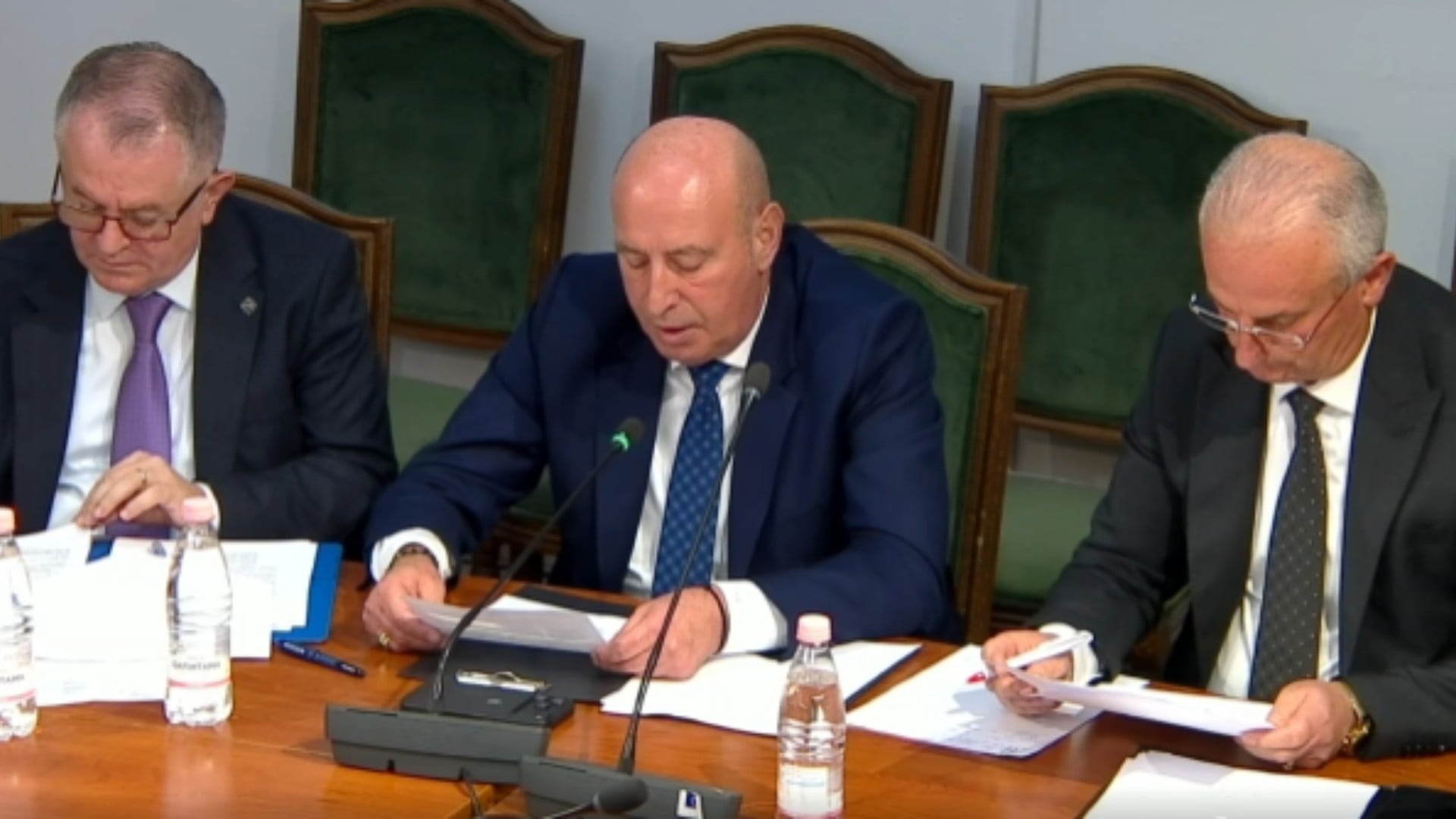
The figure was made public by Guard Director Simon Zereci during a report to the parliamentary Committee on Internal Affairs and Defense, where the institution’s draft budget for 2027 was being discussed.
According to the head of the Guard, 28 employees left during 2026, mainly for employment in other positions, while a small number left for health reasons. This tally itself raises questions about the institution’s ability to retain trained personnel in its ranks.
Debate over pay and the cost of living in Tirana
The issue of departures was raised by opposition MP Erald Kapri, who linked the trend to the salaries and financial conditions of Guard personnel. According to him, employees of this security structure find it difficult to cope with living in the capital and support their families on their current income.
Kapri called for more dignified financial treatment for the officers, arguing that the departure of professionals is not an isolated episode but a direct consequence of economic pressure. The opposition’s criticism targeted the government over the fact that, in its view, the problem remains unresolved even though this is a force with high security responsibilities.
How much is planned for 2027
According to the official report, the Guard’s draft budget for 2027 foresees 2.84 billion lek, an increase of 2.6% compared with 2026.
Of this amount, 2.73 billion lek, or 96.1%, has been planned for current expenditures, including salaries, social insurance and other operating costs. A total of 110 million lek, or 3.9% of the total, has been earmarked for investments.
Where the funds will go
Within the investment items, 55.5 million lek has been planned for the renewal of transport vehicles. A further 18.06 million lek has been earmarked for the integration of security systems and surveillance cameras at facilities of special importance.
Meanwhile, 32 million lek will be used for the reconstruction of the Residence Protection Sector building in Vlora, while 4.44 million lek will go toward modernizing the protection sector dealing with weapons of mass destruction. In essence, the official report presents an institution with a higher budget, but the political debate showed that increased funding has not automatically resolved the issue of staff retention.
The contrast between the budget increase and the departure of officers remains the most sensitive point in this discussion.
When a structure considered elite loses employees for economic reasons, attention falls not only on the budget figures, but on how they translate into real conditions for the people who keep the institution standing.