
Kurum International has lost its environmental permit for operations in the area of the former Metallurgical Combine in Elbasan. The decision signed by the Ministry of the Environment comes after a case file that for two years has kept under investigation the issue of 2,800 tons of hazardous waste, an episode that has raised serious questions about institutional oversight and responsibilities in the supervision chain.
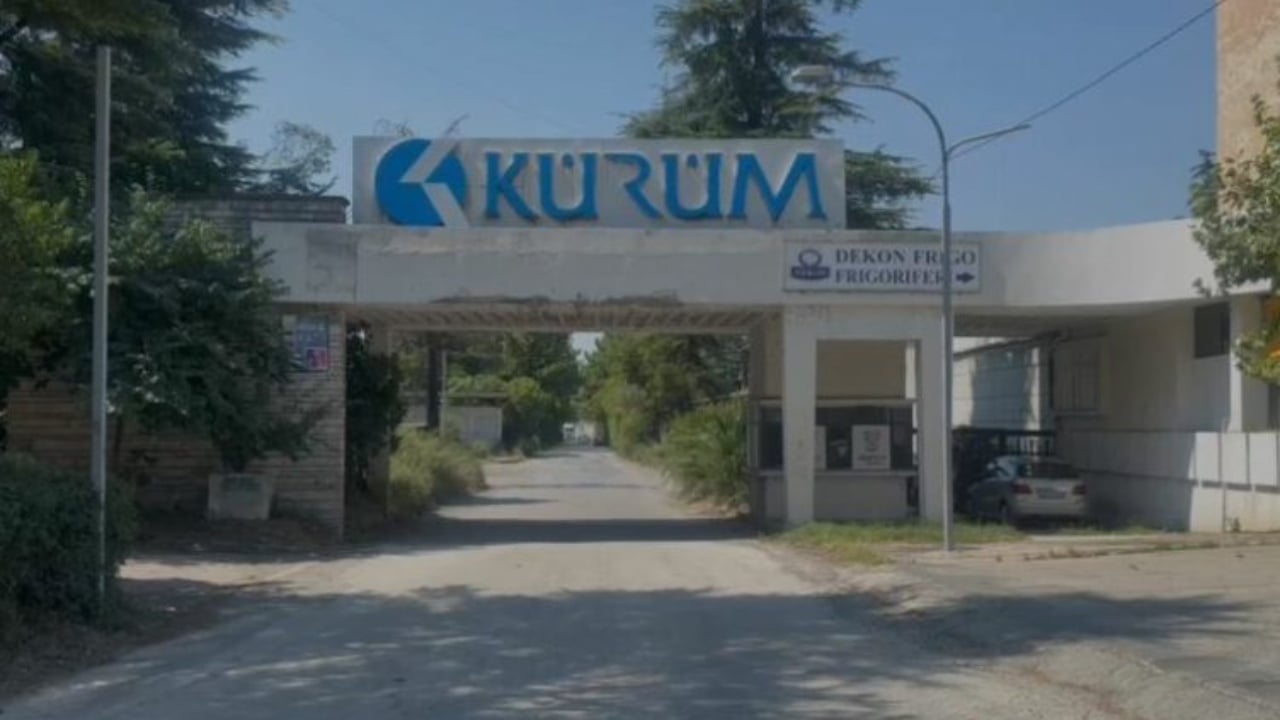
The minister’s order affects a range of the company’s activities
According to the official decision, Environment Minister Sofjan Jaupaj signed Order No. 540 on November 3, 2026, revoking the Type A environmental permit that had been issued to the company in September 2016.
The revocation affects several of Kurum’s key industrial activities, including steel production, metal smelting, foundry operations, metal processing and welding, as well as lime production.
The proposal came from AKM, approval from the ministry
According to the official version, the proposal to suspend the permit was made by AKM and was later approved by the Ministry of the Environment.
The move comes at a time when attention is focused not only on the company’s activity, but also on how institutions have responded over the years to a case that has led to a criminal investigation and arrest warrants.
The hazardous waste file remains at the center of the case
The ministry’s decision comes after the Turkish company has been under investigation for two years by the Durres Prosecutor’s Office over a shipment of hazardous waste sent from Durres to Thailand and later returned to Albania because of the danger it posed.
That file has exposed not only the company, but also the weaknesses of state mechanisms for environmental, customs and administrative control.
33 arrest warrants and involvement of state officials
In February 2026, the Durres Prosecutor’s Office issued 33 arrest warrants in connection with the 2,800-ton shipment, including for officials holding state posts.
This element moves the issue beyond a simple dispute with an industrial operator and places it in a broader test of institutional accountability, especially when such decisions are taken only after the criminal investigation has advanced.
The revocation of Kurum’s environmental permit marks a significant development for industry in Elbasan, but at the same time brings back the essential question: why is the administrative intervention coming so late, when the alarm over hazardous waste has long been public?
For now, the Ministry of the Environment’s decision remains a formal step with direct consequences for the company’s activity, while the criminal investigation remains the key factor that will determine the real extent of responsibility.