
Prime Minister Edi Rama used strong language from Dublin about Europe’s role in the war in Ukraine, claiming that the EU has left the diplomatic part of the crisis in the hands of Donald Trump. According to him, this course is costing the continent, and the bill, instead of falling, risks rising.
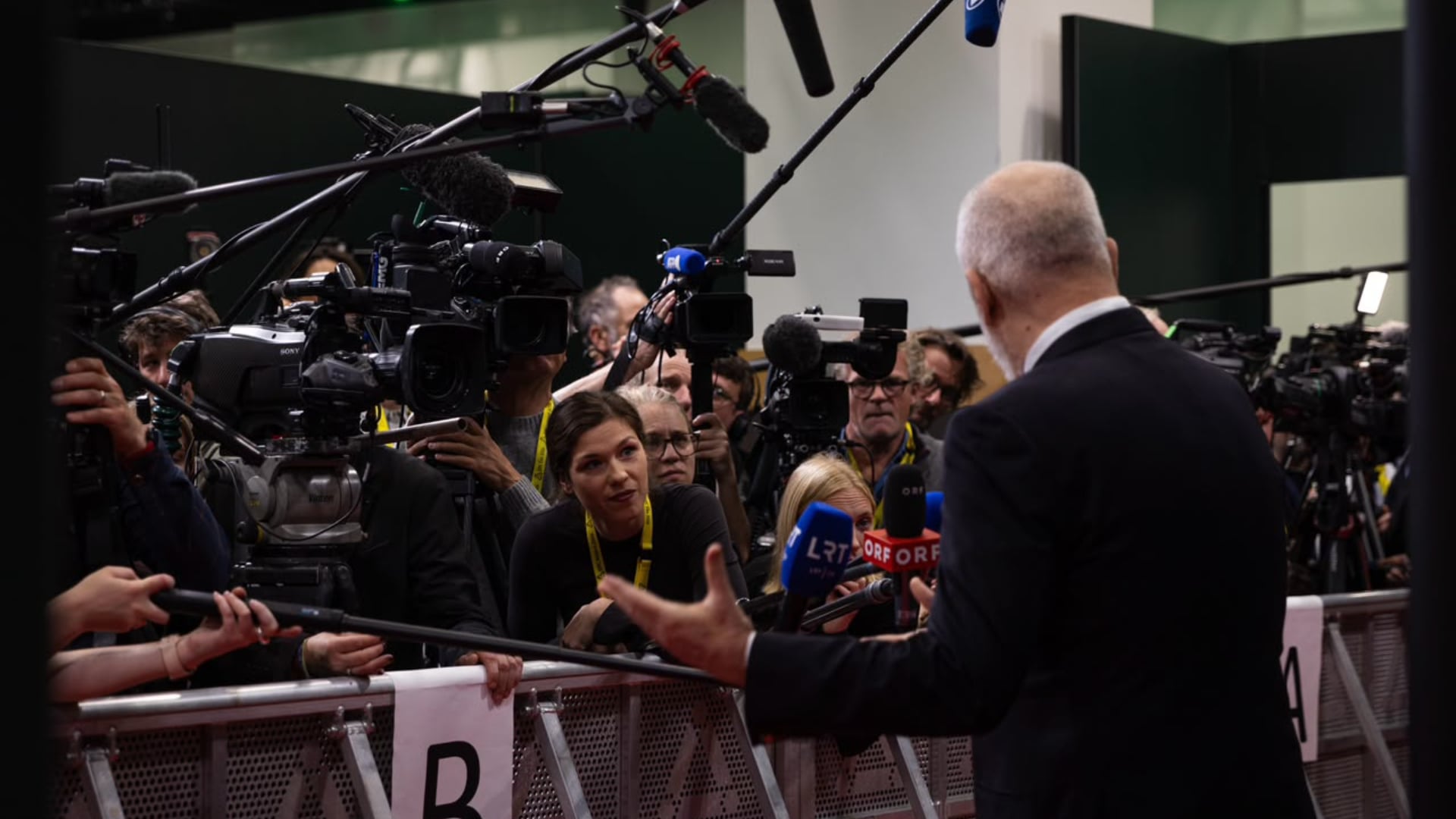
Statement before the summit in Dublin
Before the summit in Dublin, Rama spoke about diplomacy related to the war in Ukraine and criticized the European approach to the conflict. In his version, Europe is not itself carrying the political weight of the dialogue, but has handed that role to U.S. President Donald Trump.
Critical message on the EU’s approach
The prime minister argued that this political choice has consequences and that the cost will become higher and higher if Europe does not change course. He presented this as a strategic mistake by the continent itself, not as a development imposed from outside.
In essence, Rama’s statement calls into question how autonomous European diplomacy is today in the face of a war that directly affects the continent’s security. His claim once again raises the debate over whether the EU is following an independent line or remains in the shadow of American policy.
Call for dialogue with Russia, without withdrawing support for Ukraine
Rama said Europe should return to talks with Russia while continuing its support for Ukraine. According to him, these two tracks do not exclude one another and should be pursued in parallel if a political way out of the war is to be sought.
He presented support for Ukraine as right and necessary, stressing that Europe has done what it had to do in order not to allow, in his view, aggression to impose its will on Ukraine.
What Rama said
In his statement, Rama said: “Europe has outsourced its diplomacy to Donald Trump and this is the result. So what Europe needs to do is understand that this mistake has a price and that this price will become higher and more costly if Europe does not step back to talk to Russia, while supporting Ukraine.”
The statement comes at a time when the war in Ukraine continues to test not only the West’s political unity, but also Europe’s ability to build a diplomacy that does not appear dependent on the rhythm of politics in Washington.