
A tragic story from Cardiff, Wales, has brought renewed attention to the danger of delayed diagnosis of type 1 diabetes in children. A 13-year-old boy lost his life after the warning signs were initially interpreted as flu and his condition deteriorated rapidly.
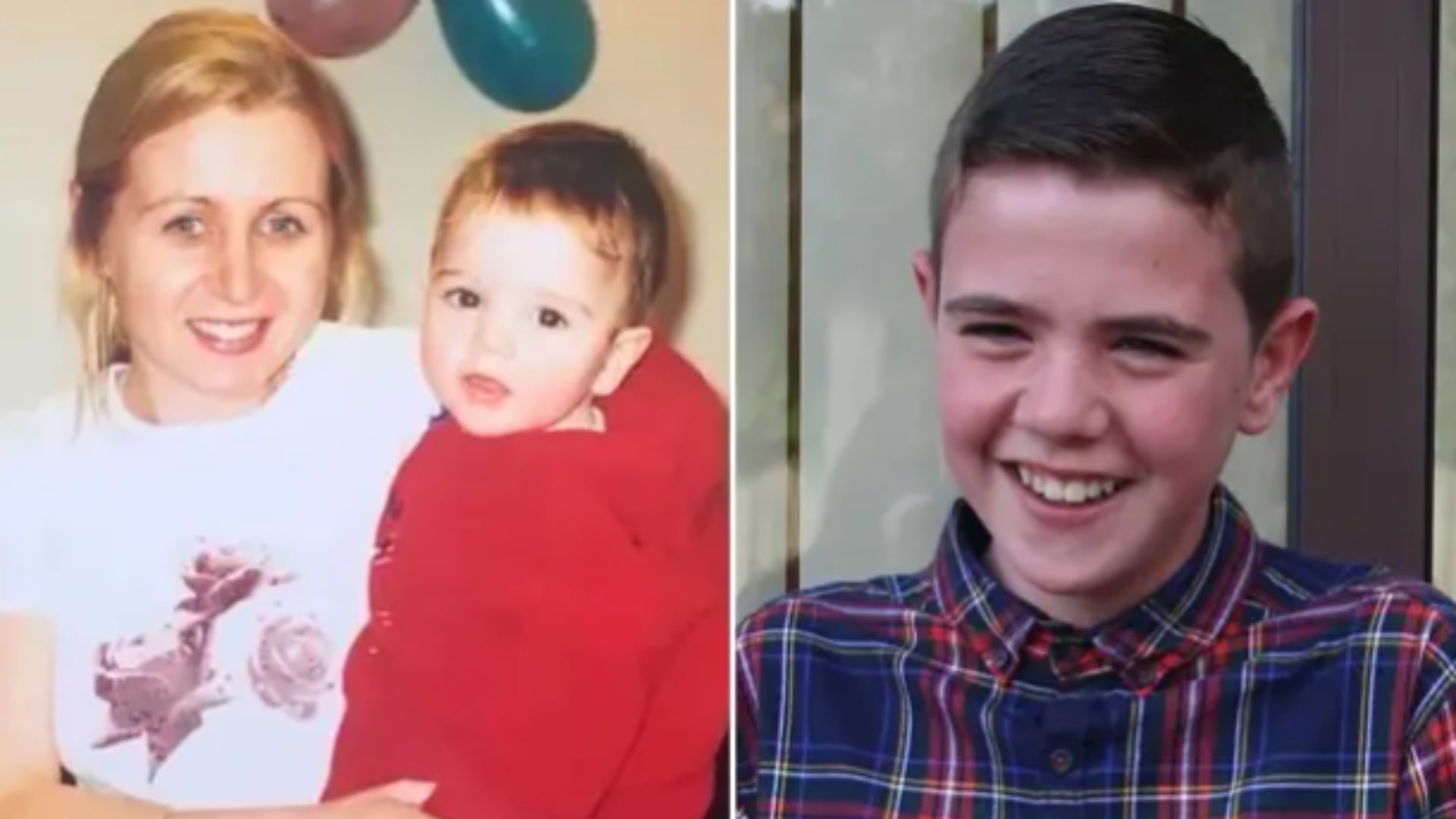
From symptoms lasting two weeks to deterioration within 24 hours
Beth Reynolds, 47, took her son Peter to the doctor on December 31, 2014, after he had been ill for about two weeks and was not getting better. Doctors identified a chest infection and gave him antibiotics.
But within 24 hours, the teenager’s condition worsened significantly. On January 1, 2015, his mother called emergency services, and an emergency worker, after checking his vital signs and carrying out a quick finger-prick blood test, suspected type 1 diabetes accompanied by diabetic ketoacidosis, a life-threatening complication.
Five days in hospital and a tragic end
The 13-year-old was rushed to the University Hospital of Wales, where he was admitted for specialist care. The family was told that his condition was very serious and that his body was heading toward collapse.
In the days that followed, Peter suffered a cardiac arrest, was revived during surgery, battled several infections and also underwent dialysis. On January 6, 2015, doctors told his mother that a brain scan no longer showed any activity and that there was nothing more that could be done to save him.
Four signs the family did not understand in time
The mother says that, looking back now, her son had shown all the classic signs of type 1 diabetes, but each of them had been interpreted differently. The symptoms are known as the four Ts: frequent urination, increased thirst, tiredness and weight loss.
Unusual thirst, she says, was the first sign and had been noticed in mid-December 2014, during a school trip to Germany. Then came a cough, a cold and a flu-like condition, which made it even harder to distinguish the real problem.
Beth said she linked the weight loss to physical growth at his age, the thirst to illness, and the tiredness and frequent urination to the flu-like condition. According to her, the boy had no family history of diabetes and had not previously had any significant health problems.
The mother’s appeal after the loss
After her son’s death, Beth decided to speak publicly about the case and become involved in raising awareness about type 1 diabetes. She also supported the organization Diabetes UK Cymru and in 2023 organized the campaign “Rewrite Peter’s Story,” sending information materials to family medicine centers across Wales.
According to her, a simple finger-prick blood test at an earlier stage could have changed the course of events. She claims that through awareness and the sharing of information about the symptoms, at least 23 people have been helped.
The case has highlighted how easily the signs of type 1 diabetes in children can be masked, especially when they coincide with symptoms that appear to be common seasonal illnesses.
The message the mother keeps repeating is direct: unusual thirst, frequent urination, tiredness and weight loss should not be underestimated, even when they seem to be part of a virus or the flu.