
Electoral reform has returned to the table once again under pressure from the international community, as deadlines tighten and the political parties still have not produced a concrete result. In this climate of repeated deadlock, the head of the OSCE Presence in Albania called for faster movement from the co-chairs of the parliamentary commission.
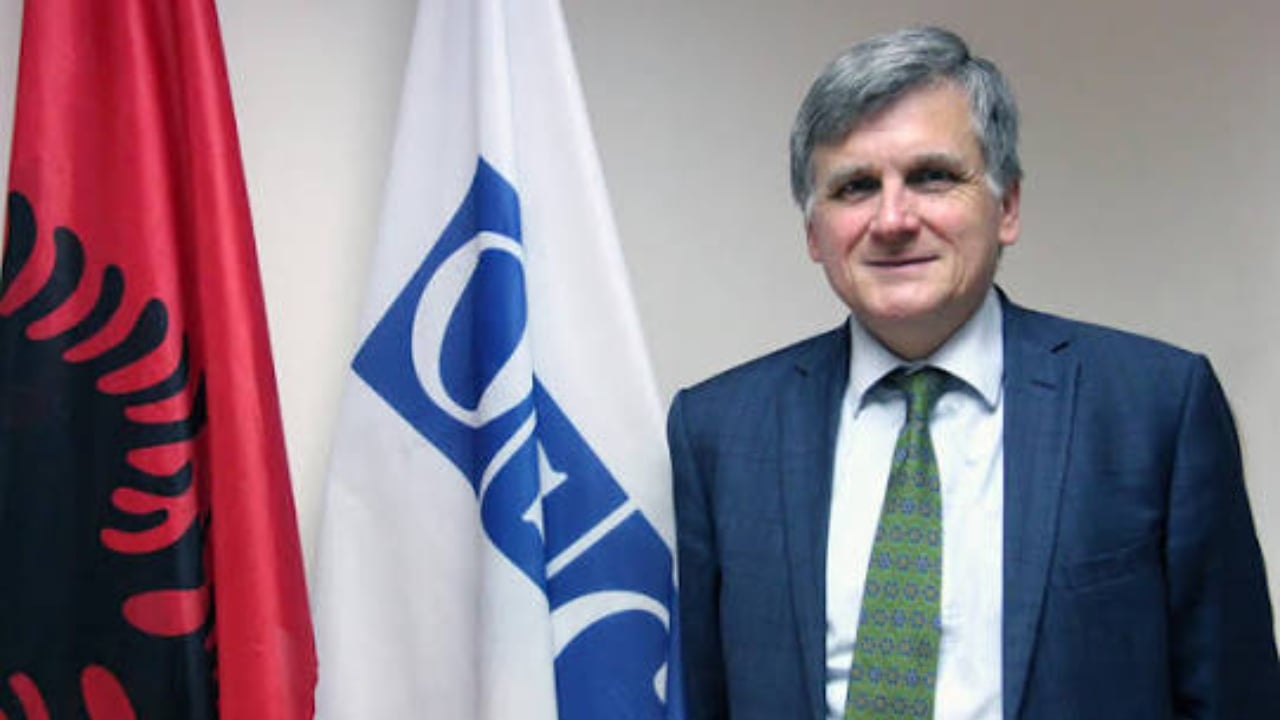
Meeting with the two co-chairs of the commission
Ambassador Michel Tarran met with Damian Gjiknuri and Oerd Bylykbashi, the co-chairs of the Special Parliamentary Commission on Electoral Reform, to discuss the steps expected to be taken as the process moves forward.
The meeting comes ahead of the May 9, 2027 local elections, at a time when the reform remains in the discussion phase and without a clear political outcome between the parties.
Focus on OSCE/ODIHR recommendations
According to the OSCE’s official version, the discussion centered on the implementation of OSCE/ODIHR recommendations, with a request for results before the commission’s mandate ends on November 30.
The ambassador stressed the need for these recommendations to be addressed in a timely manner and through an inclusive, cross-party process, a formula repeated for years but one that has often clashed with the political calculations of the majority and the opposition.
Trust in elections remains the sensitive point
According to the OSCE, progress on electoral reform is considered essential to increasing public trust in electoral processes. This remains one of the most sensitive points in the country’s political debate, especially when each side speaks of standards but concrete agreements are delayed.
The OSCE Presence also reaffirmed its commitment to support constructive political dialogue and an inclusive process ahead of the 2027 local elections.
Another test tomorrow in the commission
Meanwhile, another attempt to convene the Electoral Reform Commission has been announced for tomorrow, where it is expected to become clear whether there will be agreement between the parties.
It is precisely there that it will be tested whether the calls for acceleration will turn into real decision-making, or whether the reform will once again remain confined to the limits of political rhetoric and postponed deadlines.
The pressure to move forward with the reform has now been clearly articulated by the OSCE, but the burden of producing concrete agreements remains with Albanian politics.
With the November 30 deadline on the horizon, it remains to be seen whether the commission will deliver a result, or whether this round too will end without meaningful changes.