
The draft law on donations and sponsorships has passed the Committee on Education, Science and Sports with 6 votes in favor, with no votes against and no abstentions. The initiative, presented as a scheme to encourage financing for sports, art and culture, now moves to the next parliamentary stages, while it remains to be seen how effective the control filters promised in the draft will be.
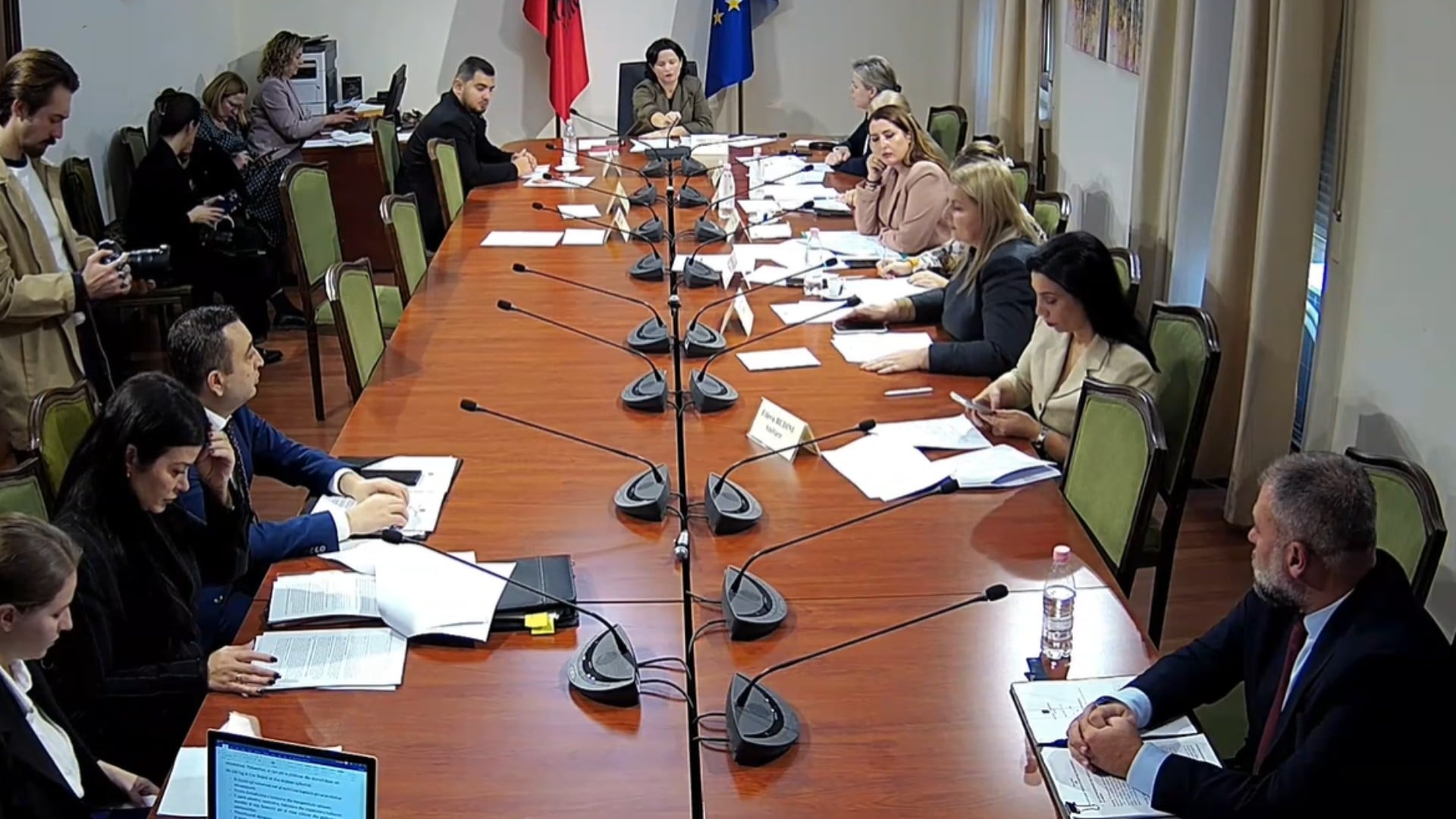
Full approval in committee, no opposition in the vote
The draft law was approved article by article and in its entirety in committee, with a clear numerical result: 6 votes in favor and none against. This formal consensus in committee pushes the draft forward in parliamentary procedures for review and final voting.
The initiators of the draft law are MP Erjon Braçe, ministers Blendi Gonxhe and Adea Pirdeni, as well as the head of the Socialist parliamentary group, Taulant Balla. At the meeting, Balla appeared with a football in a symbolic gesture.
What the new sponsorship scheme provides for
According to the draft law, businesses that pay profit tax will be able to deduct directly from their tax liability the sponsored amount, up to 30% of the previous year’s profit tax.
According to the version presented, the mechanism aims to channel up to 2 billion lek per year toward sports, art and culture. This is one of the main points used to promote the initiative, as the government and the initiators present the draft as an instrument to change the financing model in these sectors.
Electronic registry and tax exemption for beneficiaries
The draft provides for the creation of a national electronic registry of sponsorships, which, according to the official version, will serve transparency and oversight over the use of funds.
Likewise, the income received by beneficiary entities from sponsorships is envisaged to be tax-exempt. On paper, this aims to make the scheme more attractive for clubs, institutions or entities that receive financial support.
In-kind sponsorships included as well, with a promise to curb abuses
Another element of the draft law is the inclusion of in-kind sponsorships, not only financial contributions. The draft also provides for documentation and control mechanisms to avoid abuses.
However, the real weight of these guarantees will depend on practical implementation and on how verification of the scheme will function, especially when it comes to tax incentives and funds that pass through the business-institution or business-beneficiary entity relationship.
After passing through the Education Committee, the draft law continues its parliamentary path for review and final approval.
At this stage, the draft is presented as a fiscal incentive scheme for sponsorships, while the decisive test remains how the benefits, exemptions and use of funds will be controlled in practice.