
The presence of experts from the Venice Commission at Parliament’s plenary session once again places the electoral reform process at the center of attention, an issue that for years has been accompanied by political negotiations, delays, and little real transparency for the public.
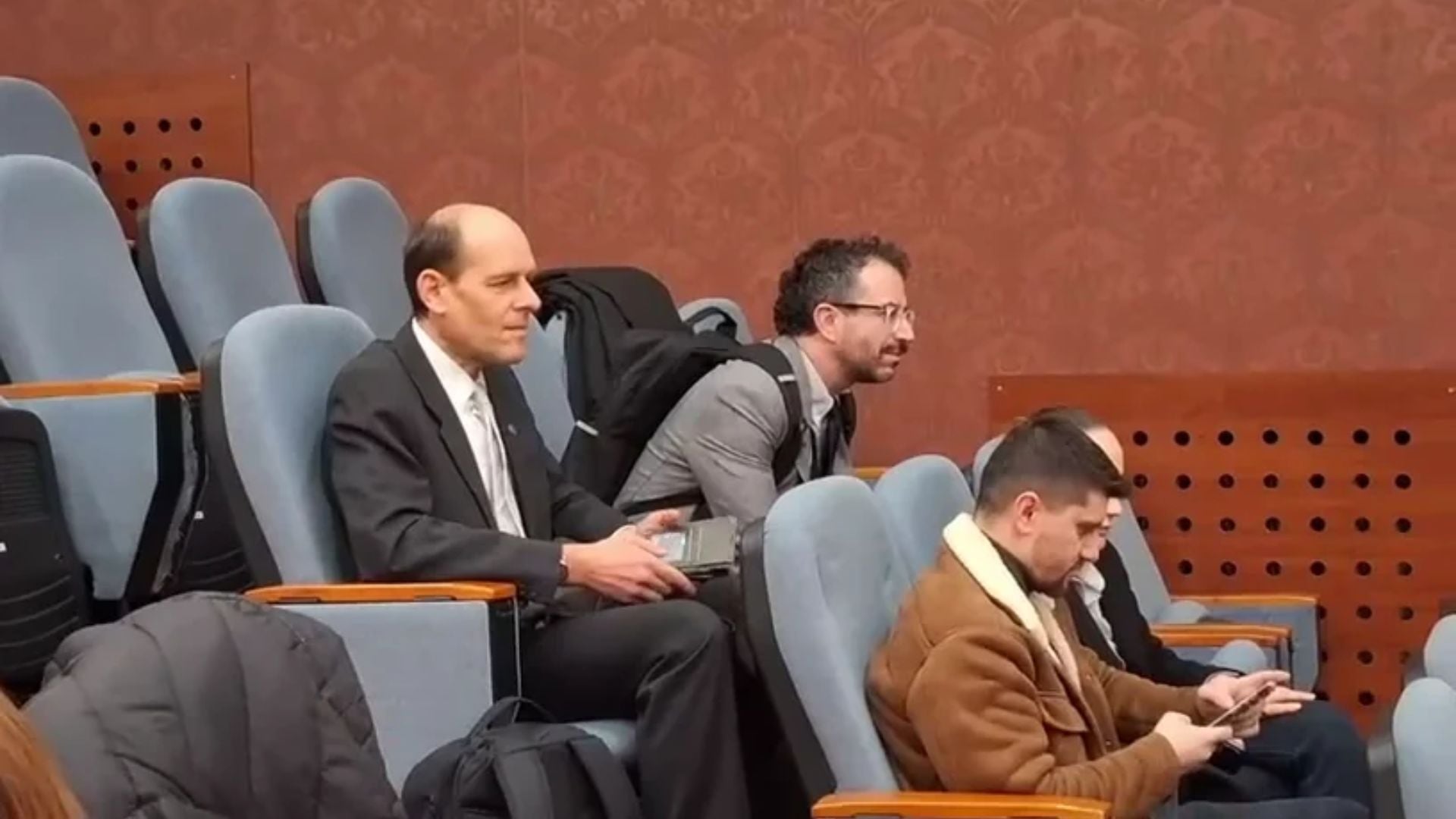
Preliminary meetings before the plenary session in Parliament
Experts Michael Janseen and Adrià Rodríguez-Pérez arrived in Tirana at the invitation of Parliament Speaker Niko Peleshi and initially held meetings with the group of experts from the electoral reform commission.
They then also met with the co-chairs of the Special Parliamentary Commission, Oerd Bylykbashi and Damian Gjiknuri, to discuss the prepared draft of the new bill on political party financing.
What the discussed draft contains
According to the version presented at the table, the revised draft claims to have reflected recommendations coming from civil society organizations, political parties, as well as the initial opinions of ODIHR and the Venice Commission.
The discussions focused on the content of the draft law on political party financing, especially how financial transparency is expected to be handled outside electoral periods.
Party financing, the most sensitive issue
One of the main points of the debate remains control over money in politics, especially during periods when there is no campaign and public attention is lower. It is precisely there, according to the line of discussion, that greater transparency for political entities is intended.
The electoral period, on the other hand, is expected to be addressed separately in the Electoral Code, showing that the package of changes remains divided and still not finalized in a single framework.
Close monitoring of a process that remains open
The decision by the Venice experts to closely follow the plenary session shows that the process is being watched carefully, at a moment when every formulation on political financing carries direct weight for election standards.
It remains to be seen whether the experts’ recommendations will be reflected in substance or simply used as procedural cover in a reform that for a long time has produced more political statements than tangible guarantees for electoral integrity.
The debate on electoral reform and party financing remains a concrete test of Parliament’s seriousness in relation to the standards that politics itself says it seeks to respect.
The presence of international experts adds to the scrutiny of the process, but the real weight remains in how the majority and the opposition will translate these discussions into rules that are enforceable and publicly verifiable.