
A new political clash has erupted after a post re-shared by Democratic MP Jorida Tabaku attributed positions to Prime Minister Edi Rama on Law 21/2024 and the European Parliament’s call for its repeal. The government’s official version, through the Agency for Media and Information, called the text fabricated and denied that it had been published by Rama.
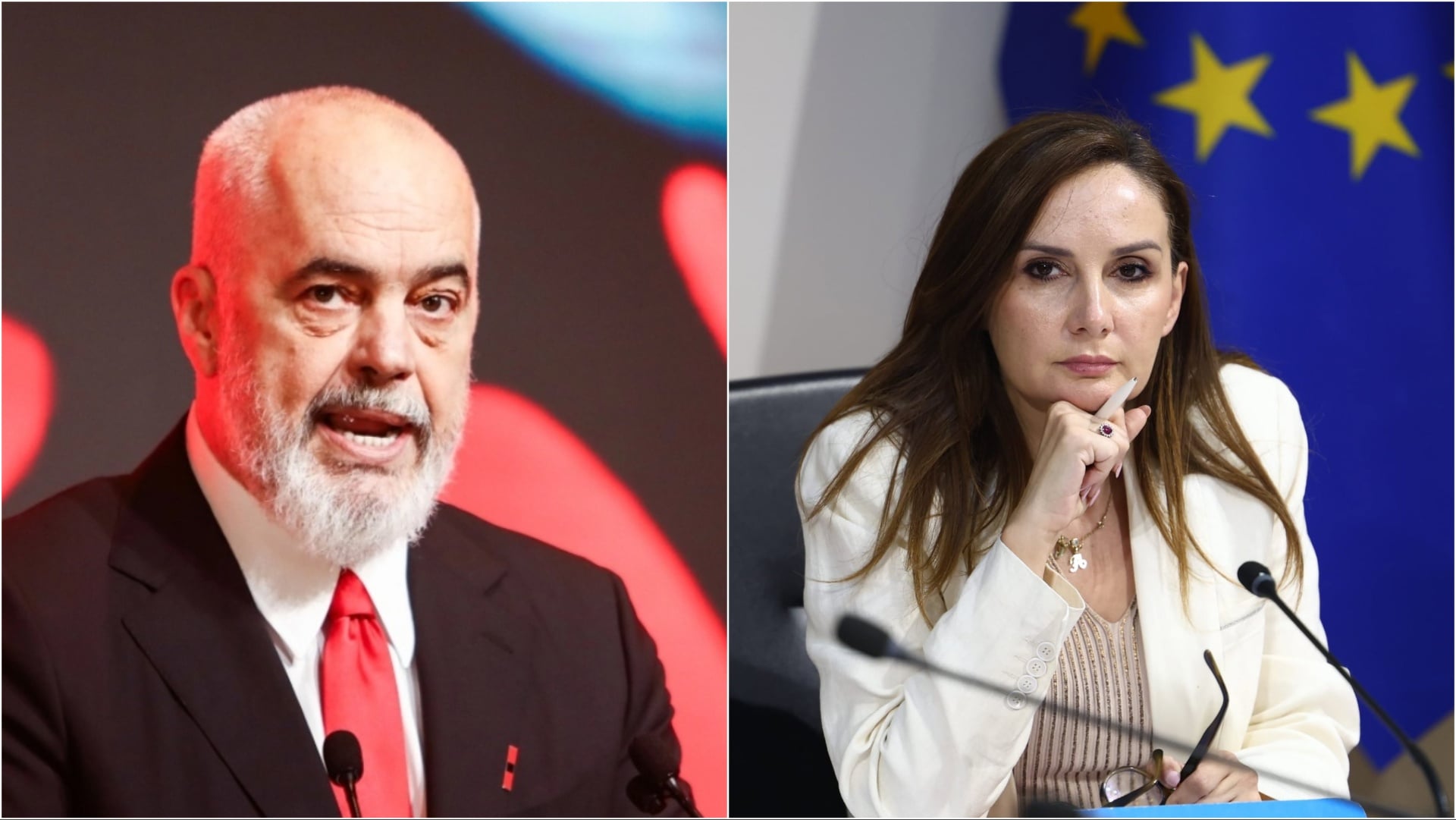
MIA’s reaction to the post shared by Tabaku
In its response, MIA said the status re-posted by Tabaku is “fake” and was falsely attributed to the Prime Minister. According to the agency, the text was not published by Edi Rama and its content “contains nothing true.”
In the same response, MIA asked the MP to withdraw the repost and apologize to the people who, according to the agency, fell victim to this fabrication.
What the disputed post contained
The post shared by Tabaku claimed that Rama had reacted to Law 21/2024, speaking about a referendum and the relationship with the European Parliament’s request for the law’s repeal.
The text said that “the Albanian people have chosen the path of the referendum” and that the government would respect this initiative, presenting the issue as a decision that should be left to the sovereign. It is precisely this text that MIA disputes and says does not belong to the Prime Minister.
Political accusations within the same post
The republished content also included strong political wording, claiming that the Socialists had approved an “anti-constitutional” law and that the referendum was being used as an alibi to avoid responsibility.
It also claimed that for more than 80 days, “hundreds of thousands of Albanians” had been protesting and demanding the Prime Minister’s removal. These parts, too, are rejected by the official version, which insists that the entire text is fabricated.
The clash over Law 21/2024 and public narratives
The case once again highlights the political tension surrounding the debate over Law 21/2024, a topic being used as a weapon in the clash between the opposition and the government.
In this episode, what remains clear is that the government, through MIA, denies authorship of the post attributed to Rama, while a text has circulated that seeks to influence public debate with a strong political message.
Beyond the official response, the case raises questions about the verification of content circulating in political debates, especially when it is attributed to senior state figures and used to fuel an already heated conflict.
In the absence of public evidence linking the text to the Prime Minister’s official accounts, MIA’s claim remains the institutional version of this story.