
A stark warning has come from the UN, which says the world is entering a phase of heightened risk for extreme weather events as El Niño strengthens and its effects are being felt in several regions. According to the heads of international weather organizations, the combination of this phenomenon with global warming could increase pressure on communities and economies in many countries.
The UN’s signal of an escalation in risk
According to the UN, the impacts of El Niño have begun to appear globally, pushing the situation toward what has been described as an “extreme weather danger zone.” The warning was issued by Secretary-General António Guterres, while the World Meteorological Organization estimates that the phenomenon could last at least until February 2027.
In the assessment presented by the international bodies, this could be one of the strongest El Niño episodes in more than 70 years, making the warning more serious than routine seasonal weather notices.
What El Niño is expected to bring to different regions
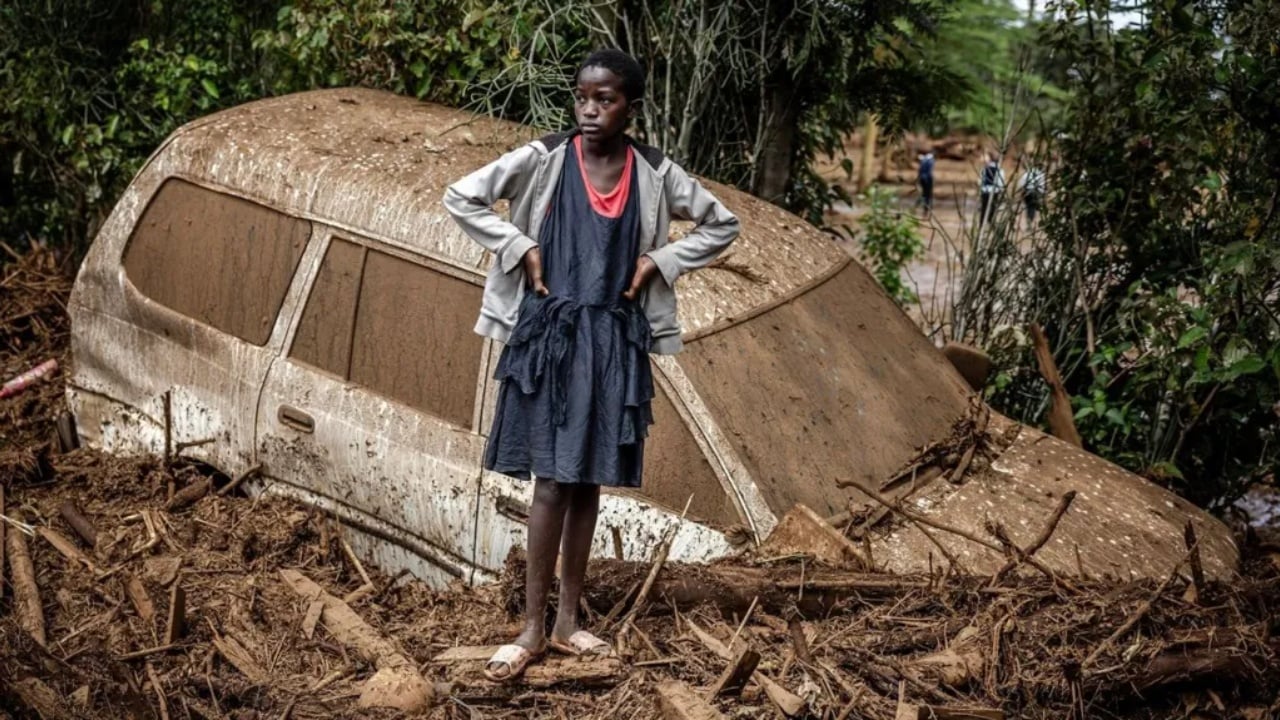
The phenomenon is changing weather patterns in different parts of the globe. Some areas are expected to face more severe drought, while others could see intense rainfall, typhoons and more serious flooding.
According to the public assessments, El Niño is also expected to raise temperatures in some countries, adding to the effects of global heat linked to climate change. That makes the consequences not only meteorological, but also social and economic.
Indicators in the Pacific are adding weight to the alarm
Monitoring data show significant increases in sea temperatures in the central and eastern tropical Pacific in recent months, a clear sign that the phenomenon is intensifying. In the main observation region, sea surface temperatures have been more than 2 degrees Celsius above average in recent weeks.
Forecasts suggest that monthly sea surface temperature could approach 4 degrees Celsius above average. If that scenario is confirmed, this El Niño episode would rank as the strongest at least since 1950.
Even more concerning is the situation below the Pacific’s surface, where in some areas temperatures more than 8 degrees Celsius above average have been recorded. Above-normal temperatures are also expected in other parts of the world, including the Indian Ocean, the tropical Atlantic and areas near the Australian coast.
Alarm for economies and communities
WMO Secretary-General Celeste Saulo has warned that El Niño has the potential to hit communities and economies hard around the world. For that reason, the agency has announced a broad mobilization to distribute forecasts on possible extreme weather events.
International reporting shows that governments and scientists in different countries are trying to take steps to reduce the risk of deaths, population displacement and environmental damage. However, it remains to be seen how quickly and how effectively these warnings will translate into concrete protective measures on the ground.
El Niño is a natural phenomenon that develops in the Pacific Ocean and is linked to changing wind patterns, allowing warmer waters to spread eastward and release more heat into the atmosphere.
At this stage, the signals being sent by international institutions are clear: the risk is rising, and the consequences could be far broader than an ordinary season of unstable weather.