
The return of the film festival after 14 years has brought not only cultural attention, but also a sharp clash over the direction being given to Albanian cinematography. Director Mevlan Shanaj has publicly attacked the festival’s organization and raised serious doubts that behind it there is also being pushed an approach that, according to him, directly harms Albanian film.
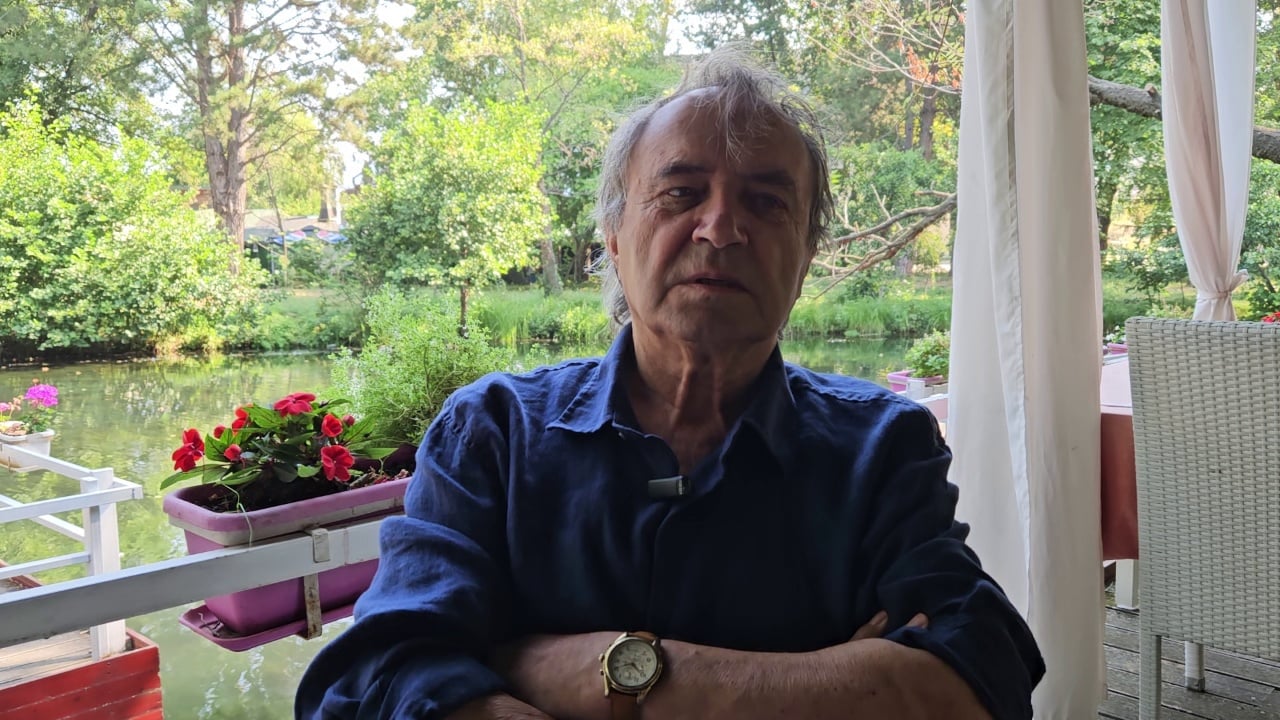
Shanaj calls the festival “shoddy” and questions the organization
In his public reaction, Shanaj describes the festival as a weak and problematic organization, claiming that it is being built by people who, according to him, do not respect even the basic standards of such an event.
He focuses in particular on the way awards are being distributed, calling it absurd to give out 16 career awards at one festival. For the director, such a practice not only devalues the recognition itself, but also raises questions about the seriousness of the event.
The debate shifts to the new cinematography law
Shanaj’s criticism does not stop at the festival. He links this development to efforts to pass a new cinema law in Parliament, which he strongly opposes.
According to him, the new structure removes the very concept of film and replaces it with an approach centered on the “Audiovisual Service Agency.” In the director’s reading, this change is not simply technical, but a shift that risks pushing Albanian production out of focus and turning the country into a service space for foreigners.
The strong claim: a blow to Albanian producers and directors
Shanaj goes further when he says that the draft law, in his assessment, aims to weaken national production and marginalize Albanian cinema professionals.
He claims that if this logic is approved, local producers and directors will lose their real weight in the film market. According to him, this would bring a further contraction of Albanian film, instead of building a public policy for its protection and strengthening.
Fear of a secondary role for Albanian professionals
Another concern raised by the director is linked to how Albanian professionals would be positioned in the event of an increase in foreign productions in the country.
According to Shanaj, there is a risk that they would remain mainly in technical roles or at the bottom of the work hierarchy, while creative decision-making and the real weight of projects would remain outside Albania. For him, the central issue remains the lack of a clear state position on protecting Albanian culture and film.
Albanian cinema, between resistance and lack of ground
Speaking about the current state of Albanian productions, Shanaj assesses that what has survived in cinema to this day is tied more to the resistance of individuals than to consistent structural support.
In this climate, according to him, young people do not have the proper ground to create films with artistic value. The debate opened by the festival and the draft law is bringing back to the center a broader question: whether public policies are truly supporting Albanian film, or pushing it toward further weakening.
The open clash triggered by Mevlan Shanaj turns attention to a field where institutional decisions have a direct impact on cultural identity and on the survival of domestic production.
So far, at the center of the debate remains precisely this dilemma: whether the changes under discussion will serve Albanian cinema, or leave it even more unprotected in the face of other interests.