
The sudden death of singer Giorgos Mazonakis has brought back to the center of debate a field where advertising often moves faster than scientific evidence: alternative therapies and treatments sold as “regenerative.” In Greece, the alarm has been raised by the Hellenic Society of Hematology, which is calling for more institutional oversight and less room for procedures that, it says, are marketed with unsupported claims.
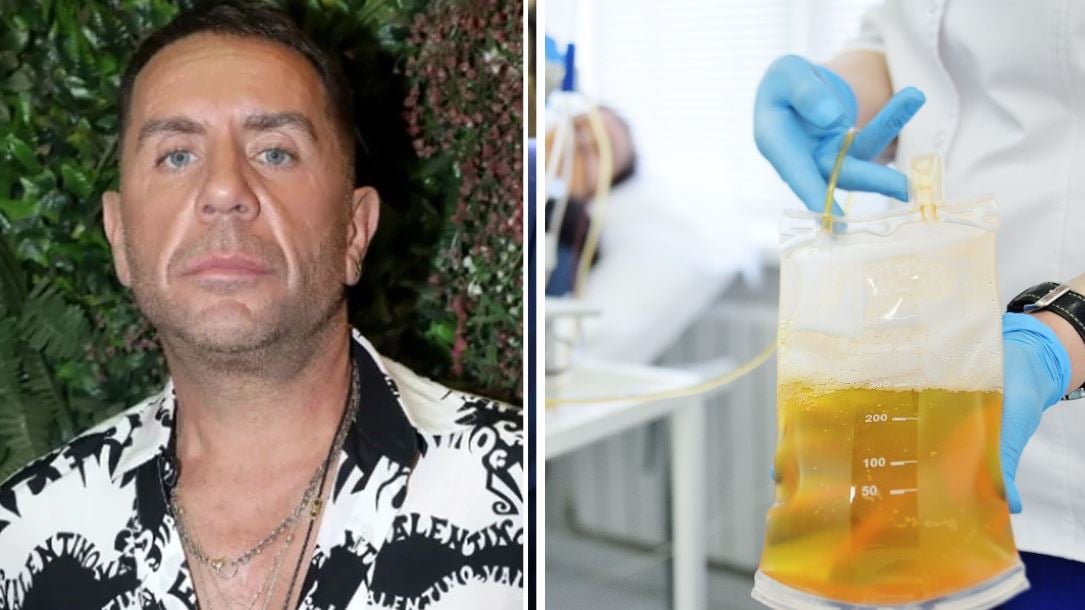
The hematology association: risk from unproven treatments
In its statement, the Hellenic Society of Hematology says the case has brought to the forefront the uncontrolled situation in the field of so-called alternative therapies. According to information made public so far, the incident is linked to a private clinic called the “Stem Cell Clinic.”
The association explains that hematopoietic stem cells are used in specific hospital settings, mainly in bone marrow transplants for patients with leukemia and other hematological diseases. According to the association, these cells regenerate blood cells and not other tissues of the body, so any other use marketed as a general solution is not scientifically documented and may be dangerous.
What plasmapheresis is and why doctors oppose its use as “detox”
Based on publications and doctors’ statements, it is reported that Mazonakis had gone to this clinic to undergo plasmapheresis. This therapeutic procedure is carried out with specialized equipment, in hospital conditions and by specialized staff, usually in the treatment of certain autoimmune diseases.
According to hematologist Dr. Elias Pessach, plasmapheresis is not a “detoxification” procedure, but a serious medical treatment that requires continuous monitoring. He warns that the procedure can cause side effects, including low blood pressure, low blood calcium, allergic reactions and heart rhythm disturbances.
The association says that in the marketing of “alternative medicine,” plasmapheresis is presented as a tool for well-being, longevity and “cleansing” the body, but these claims, it says, are not supported by clinical studies.
Doctors call for a clear distinction between PRP, plasmapheresis and stem cells
Dr. Pessach insists that the terms used in the market for these services are not interchangeable. According to him, plasmapheresis is one procedure, PRP is another, cell concentrate is another, and stem cell transplantation is another.
He explains that PRP involves taking a small amount of blood, processing it and locally injecting platelet-rich plasma. According to him, PRP is not plasmapheresis and is not stem cell therapy.
He also stresses that stem cells are not an “elixir of youth.” There are, he says, real treatments that save lives in hematology, but that does not mean every product marketed with technical terms automatically constitutes an approved treatment for aging, dementia, heart disease or “strengthening the body.”
The question that remains: who is overseeing these facilities?
The Hellenic Society of Hematology recalls that as early as 2019 it had asked the Greek authorities for an immediate investigation into facilities offering unauthorized cell therapies, stronger supervision, and official public information on the possible risks. It is now repeating its call for the state to require clear evidence for the scientific basis of treatments marketed as “regenerative.”
For his part, Dr. Pessach raises the question of how these services are monitored in practice. According to him, a simple internet search turns up dozens of advertisements for PRP, stem cells, “youth serums,” detox and wellness, offered by different facilities and professionals.
He stresses that not every such activity is necessarily illegal, but it requires verification of licenses, professional qualifications, scientific basis and the conditions under which the procedures are carried out. Among the demands raised are a public register of licensed facilities, surprise inspections, monitoring of medical advertising on the internet and real sanctions when violations are found.
The doctors’ message is direct: citizens should be skeptical of promises of health “miracles” and seek information from official and scientific sources, not from marketing campaigns with technical terms and a luxury facade.
The cause of death and any possible responsibility remain matters for the official investigation. But the debate that has opened up touches on a broader problem: gaps in oversight of a market that sells hope while convincing evidence is often lacking.