
Western Europe is entering the third major heatwave of this summer, according to weather forecasts cited by Bloomberg. The situation is being accompanied by a rising risk of wildfires, pressure on energy systems, and mass evacuations in several areas of the south of the continent.
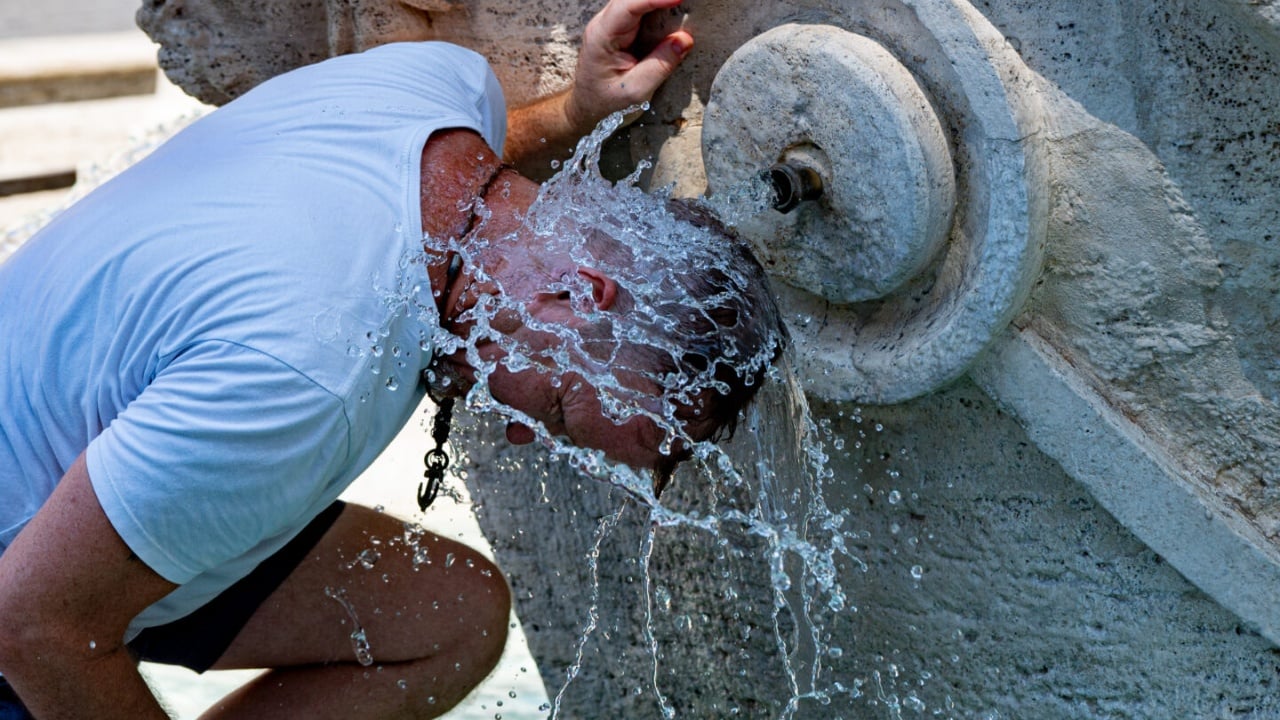
Extreme temperatures in France, England and the Iberian Peninsula
According to weather models and forecasts from the authorities, a powerful high-pressure system is expected to bring very high temperatures this week to France, southern England and the Iberian Peninsula.
In southwestern France, daytime highs could reach as much as 40 degrees Celsius in some areas, according to those forecasts.
Wildfires are pushing authorities toward evacuations
The impact of prolonged heat is becoming more visible in France, Spain, Portugal and Greece, where drought is increasing the risk of new fire outbreaks.
In the Pyrénées-Orientales department, in southwestern France, around 10,000 people have been evacuated because of the flames, which according to reports continue to spread.
Over the weekend, Portugal and France asked the European Union for urgent assistance in dealing with the active wildfires.
EU deploys additional resources as pressure rises
According to a statement by European Commission spokesperson Eva Hrncirova, the European Union has deployed a record number of firefighters across the continent, as well as 22 aircraft for firefighting operations.
This mobilization shows the scale of the alarm on the ground, as the affected countries face high temperatures, drought and several active fire outbreaks at the same time.
Data point to a more severe wildfire season
According to data published in the report, so far this year wildfires have burned around 145 square kilometers of land in France, nearly triple what had burned during the same period in 2025.
At the same time, according to assessments mentioned in the reporting, climate change is worsening extreme heatwaves in Europe, while scientists warn that the development of the El Niño phenomenon could bring even harsher conditions during the rest of the summer.
For now, the picture in Western Europe remains that of a summer entering an even harsher phase, with rising temperatures and a real risk of new wildfires.
What remains to be seen is whether the measures announced by European authorities will be enough to contain the consequences of a season that, according to the figures so far, is worsening more quickly than a year earlier.