
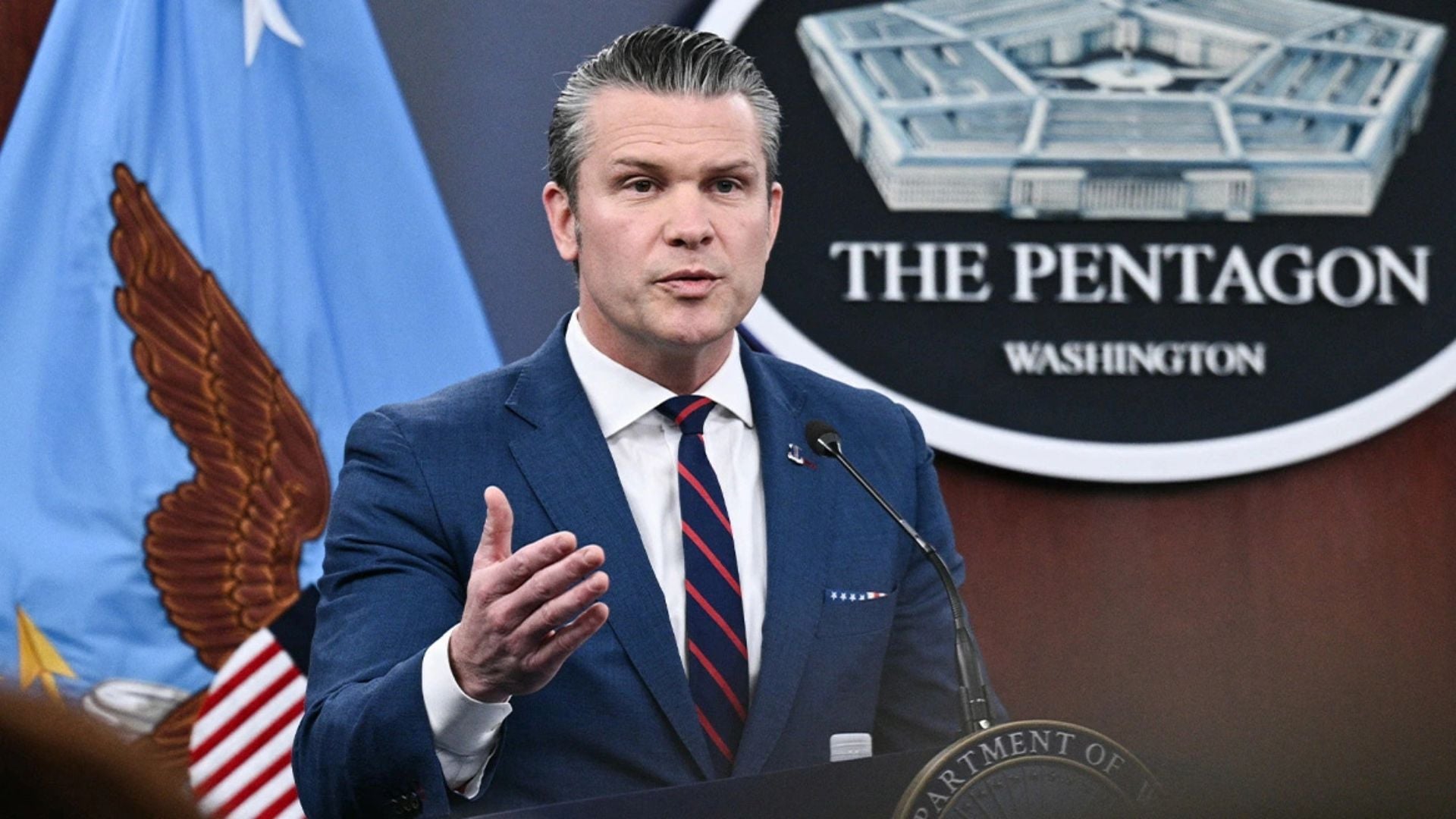
Another wave of moves at the top of the U.S. military is expected to be announced by U.S. Secretary of War Pete Hegseth, at a time when the Trump administration has increased its interventions in the chain of command. According to U.S. media, this involves a reduction of more than 20% of senior officers in the leadership structure of the armed forces.
Announcement expected in Quantico
According to reports in the U.S., the decision is expected to be made public during the annual State of the Force speech at a military base in Quantico, Virginia.
The version published by Fox News, referring to internal memorandums that the television network says it has seen, speaks of changes that would take effect on January 1, 2027. The same report says the cuts would affect the ranks of generals, admirals and wing commanders by around 20%.
New turmoil at the top of the military
This development comes after a series of major moves in the U.S. military since Donald Trump returned to the White House in January 2025.
Among the first decisions mentioned was the removal of the chairman of the Joint Chiefs of Staff, Gen. Charles “C.Q.” Brown. Later, the Trump administration also removed leaders of the Marine Corps, the U.S. Coast Guard, the NSA and other senior officials.
Successive interventions in the chain of command
In the spring, the army chief of staff was also relieved of duty, before the Army Secretary also departed. This series of decisions has fueled the perception of an aggressive reshaping of the military leadership by the current administration.
The new announcement is also seen along the same lines: not simply as a numerical restructuring, but as another deep intervention in the command of the U.S. armed forces.
The official argument and the political weight of the decision
According to Hegseth’s position, he is choosing leaders who, in his view, should lead the military with the largest budget in the world. He had previously also taken steps to reduce the number of senior officers across the military.
Hegseth has also renamed the Department of Defense as the Department of War, a political signal that goes beyond terminology and that has accompanied the latest changes in the leadership structures.
If the decision is confirmed in the form reported by U.S. media, the Pentagon will face one of the most significant cuts at the upper levels of command in recent years.
It remains to be seen how much this will be presented as administrative reform and how much as a political consolidation of control over the U.S. military.