
The Bank of Albania has again intervened with large volumes in the foreign exchange market, withdrawing €664 million in just the first six months of the year. But despite these record purchases, the euro has continued to lose ground against the lek, a development that raises further doubts about the real impact of the interventions on the exchange rate.
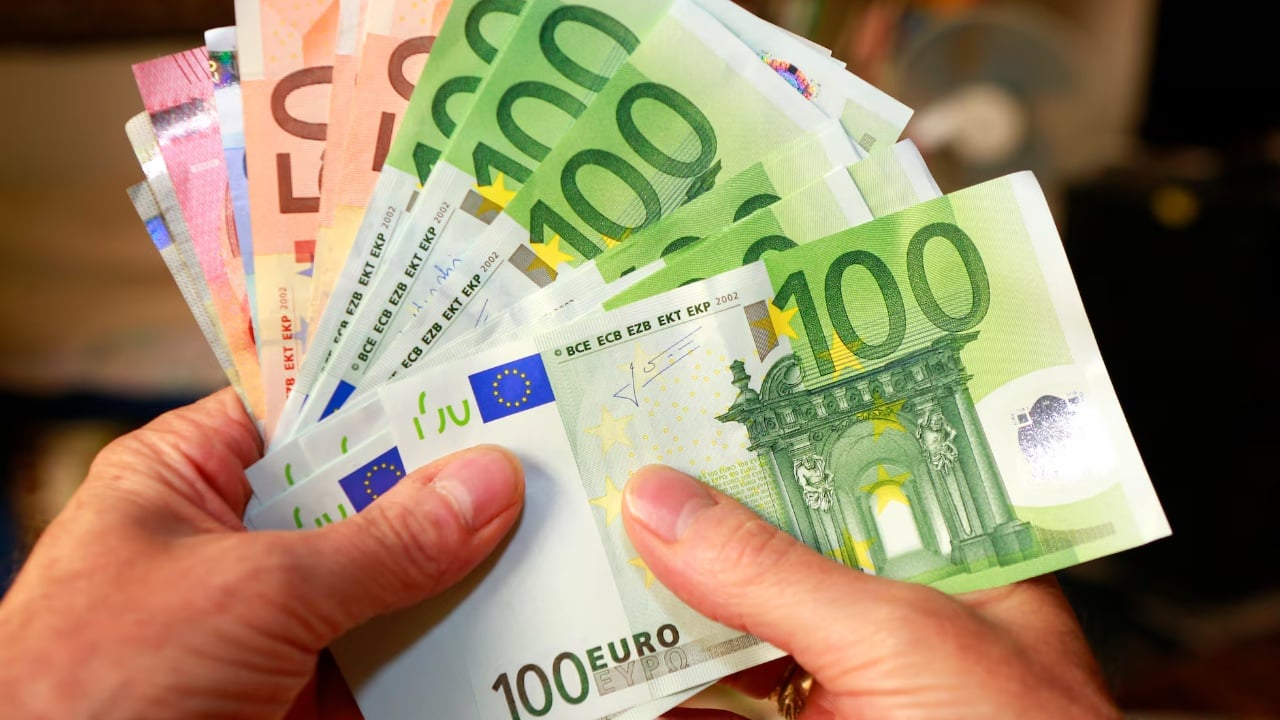
€524 million in the second quarter alone
According to the reported data, the overwhelming majority of the purchases were concentrated in the second quarter, when the Bank of Albania withdrew €524 million from the market. Compared with the same period a year earlier, this represents a significant increase in interventions.
Most of the operations were carried out directly in the foreign exchange market, while the rest were conducted through planned auctions. In essence, the central bank increased its presence in the market at a time when the supply of euros remained high.
More than €2 billion in two years
This is not an isolated move. In recent years, the Bank of Albania has continued with large foreign-currency purchases during a period when the euro’s decline against the lek has become even more pronounced.
For the 2024-2025 period, purchases have exceeded €2 billion. Last year alone, according to official figures, €1 billion and €27 million were bought in the domestic market. If the current pace continues through 2026, another record could be set.
Reserves at €8.4 billion, but the euro falls again
Alongside these interventions, foreign exchange reserves have reached €8.4 billion, with annual growth of 18.7%. This is another indicator showing that the central bank is strengthening its stock of foreign currency.
However, the most striking development is that the euro has not stopped falling. According to the official Bank of Albania rate, the European currency is currently exchanged at 91.65 lek, while in the exchange market it is also reported at the level of 87 lek.
High foreign-currency inflows are keeping pressure on the rate
According to official explanations, the interventions are aimed at increasing the country’s foreign exchange reserve. But market performance shows that the supply of euros remains strong, which is keeping the exchange rate under pressure.
Tourism, foreign investment and remittances are listed among the main factors feeding the inflow of foreign currency into the market. Since the start of the year, the euro has depreciated by 5.3% against the lek, turning the exchange rate into a sensitive issue for businesses and the economy.
In this picture, the central bank’s interventions are increasing, reserves are expanding, but the weakening of the euro is not being slowed.
This creates a clear contrast between the stated objective of the interventions and what is actually happening in the foreign exchange market.