
The ruins of Mitrush Kuteli’s house have returned to public attention after a public denunciation by researcher Auron Tare, who published images of the writer’s home in a degraded condition. In his reaction, Tare says the foundations of the house have been turned into a garbage dump, in a scene that once again raises questions about how cultural memory is treated in Albania.
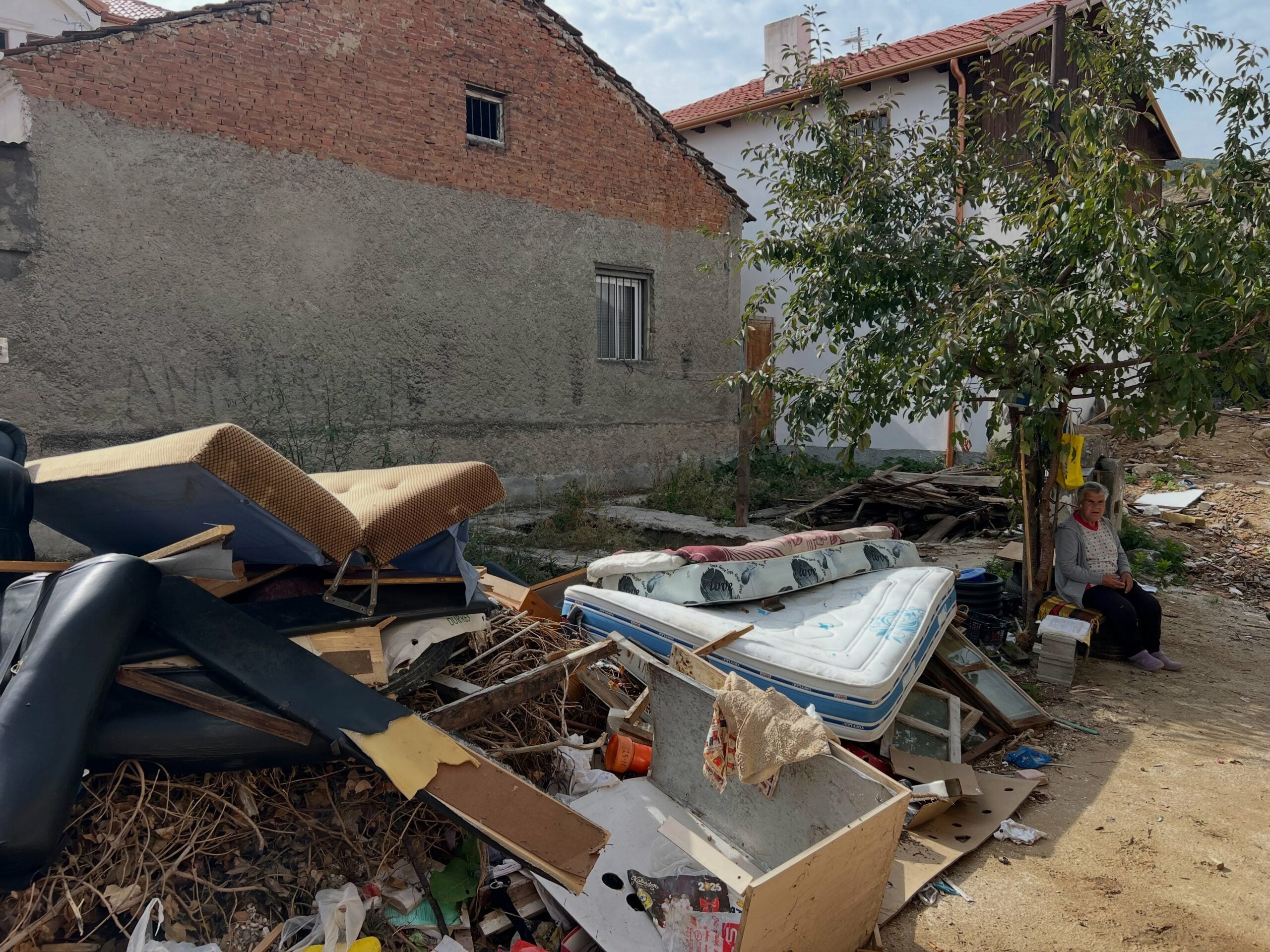
Auron Tare’s denunciation over the condition of the house
Through a Facebook post, Auron Tare raised concerns about the abandonment of the ruins of Mitrush Kuteli’s house. According to him, what remains of the home has been left in oblivion and turned into a place for dumping waste.
The images he published show the area in a serious state, while the denunciation comes as direct criticism of the lack of care for a figure of great weight in Albanian literature.
Only a few meters from Lasgush’s garden
According to the description made public by Tare, the house is located about 20 meters from the garden of Lasgush Poradeci. He stresses that the home has fallen into ruin, while the surrounding space has been filled with trash.
His reaction also says that the narrow alley that once connected the homes of the two literary figures has been closed off with walls and stones, an image that makes the contrast even sharper between the value of the figures and the condition of the place tied to their memory.
A farewell letter with a message about homeland and language
Alongside the images, Tare also shared a fragment from Mitrush Kuteli’s farewell letter to his wife. It conveys a powerful message about love for the country and the Albanian language, addressed to his children.
In the published fragment, Kuteli urges that the country and the language be loved “to the point of suffering” and that the heart should never drift away from Albania, even when life brings injustice and pain.
Who was Mitrush Kuteli
Mitrush Kuteli remains one of the most important names in Albanian culture. He is known as a prose writer, poet, folklorist, publicist, storyteller and literary critic.
During his lifetime, he left Albanian culture and thought more than 10 literary publications, building a legacy that is today described as foundational to Albanian letters. It is precisely for this reason that the images of the ruins of his house have sparked public reaction and indignation.
The case of Mitrush Kuteli’s house brings back an old problem: major cultural figures are often mentioned in ceremonies and speeches, but the actual places connected to their life and work remain without real protection.
The denunciation made public by Auron Tare once again puts at the center this contrast between rhetoric about heritage and the reality on the ground.