
In another optimistic statement from the EU negotiation table, Enlargement Commissioner Marta Kos said Albania is closing Chapter 20, while the goal of completing all chapters by the end of 2027 was presented as an ambition backed by Brussels, but not without conditions.
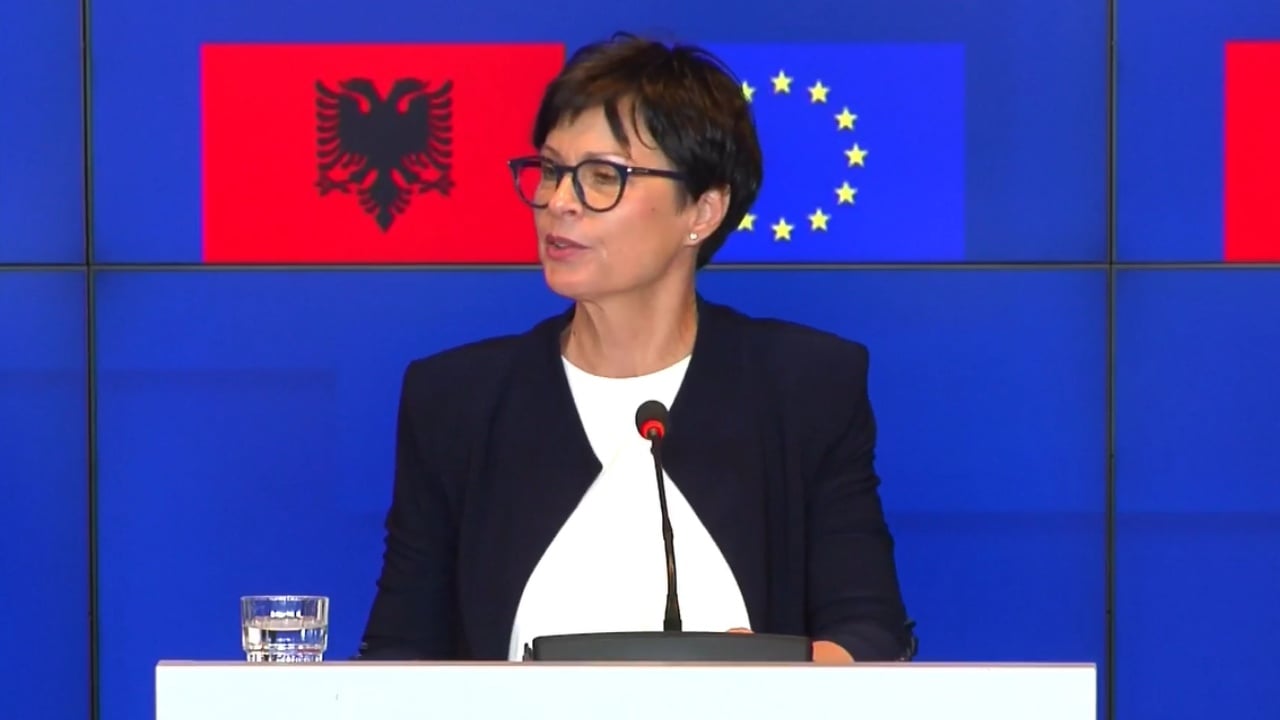
What was announced in Luxembourg
During the joint conference in Luxembourg with Prime Minister Edi Rama and Irish minister Thomas Byrne, Kos congratulated Albania on closing negotiations on Chapter 20, which is related to “Enterprise and Industrial Policy.”
According to her, this step is linked to reforms affecting the business climate, especially small and medium-sized enterprises, which she described as the pillar of the Albanian economy.
The 2027 target remains a major promise
Kos said Albania has set itself the goal of closing all chapters by 2027 and that this objective is supported by the EU.
However, in the version presented by the Commissioner, this deadline is not seen as an automatic path. She stressed that the country must continue to deliver results, especially in the area of the so-called “Fundamentals,” where standards for the rule of law, institutions and democratic functioning are usually measured.
Membership before 2030, but with many conditions on the table
According to Kos, Albania could become a member of the European Union before 2030. Her statement comes at a time when rhetoric on enlargement has intensified, while the EU itself is speaking about preparations for a wider union.
She said enlargement is not only a matter for the government, but requires the involvement of the opposition, civil society and citizens, describing membership as a national project.
Chapter 20 and the focus on the economy
According to the statements made at the conference, Chapter 20 is linked to support for Albanian businesses, competitiveness and the alignment of industrial policies with those of the EU.
Kos specifically mentioned new technologies, clean technology, as well as critical materials and raw materials, areas that she said are considered essential for a stronger economy.
The political message coming out of Luxembourg is clear: Brussels is backing Tirana’s pace on paper, but is making equally clear the main condition — progress must be proven through results, not only ambitious targets.
At this stage, the closing of Chapter 20 marks a procedural step with political weight, but the real test remains in the more sensitive chapters, where the state’s readiness for integration is seriously measured.