
On the third day of the protest in Tirana, Deputy Prime Minister Albana Koçiu issued a public reaction in which, according to her version, she recognizes the right of young people to protest, but draws the line at their involvement in violence. The reaction comes at a moment when public debate is shifting not only to the reasons for the protest, but also to how scenes of tension in the capital are being handled.
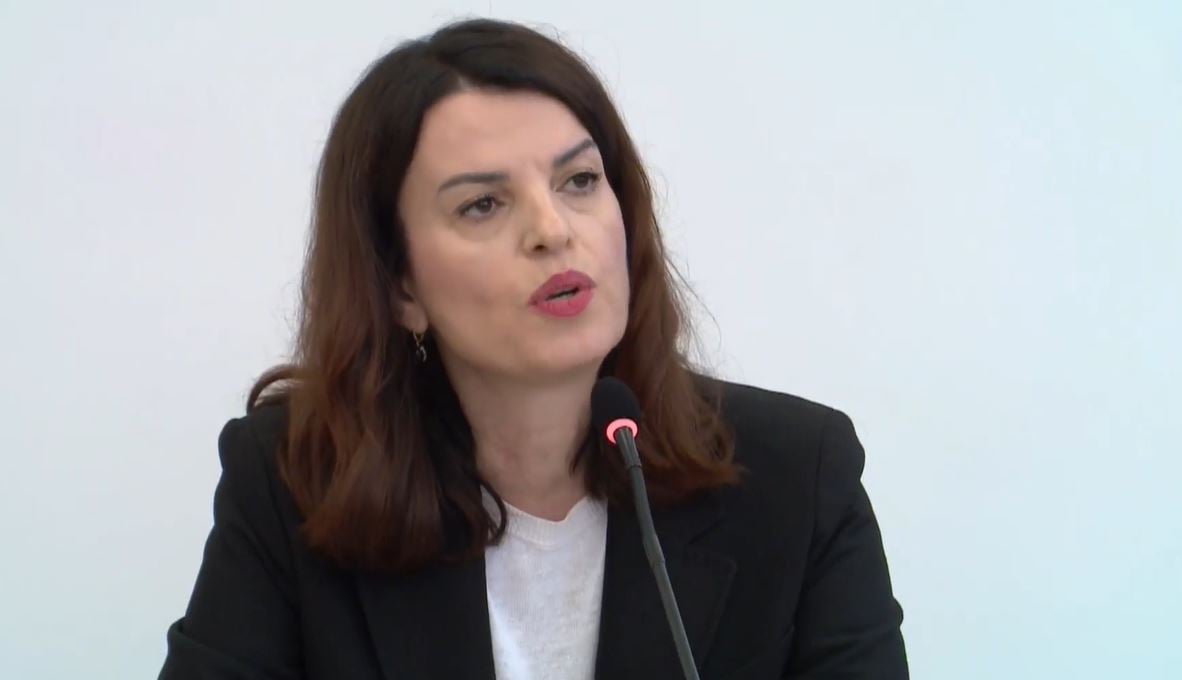
Koçiu’s reaction at the height of the tension
Koçiu reacted on social media to the protest taking place in Tirana, which has entered its third day. In her message, she stressed that images of violence in the streets are troubling, especially when they feature young people and minors.
Her statement comes as the protest is also being read through the usual political clash, in which the sides try to shift attention from the causes to the management of the consequences.
What the deputy prime minister said
According to the reaction she published, “regardless of political beliefs, we all share the same concern: the safety and future of our children.”
She added that young people have the right to protest, express themselves and demand a better future, but argued that no one should involve them in violence or use them for political battles.
The right to protest and the limits of the official debate
Koçiu’s message tries to hold together two lines: the formal recognition of the right to protest and the condemnation of acts of violence. However, as is usually the case in official reactions during tensions in the streets, the emphasis is placed on the visible consequence rather than on the causes that lead citizens to escalate.
In this context, the deputy prime minister’s statement adds to the institutional narrative that places the center of the discussion on security, while political responsibility for the climate created remains outside her reaction.
Appeal regarding minors
In the closing part of her message, Koçiu stressed that every parent wants their child to return home safe and sound, and that no political battle is worth more than the life, safety and future of children.
This is the essence of her public position on the protest: yes to the right to express oneself, but no to the involvement of young people and minors in scenes of violence.
The deputy prime minister’s reaction comes at a stage when the protest in Tirana is moving deeper into the zone of political confrontation and public interpretation. Beyond the calls for calm, the question that usually remains in the background is what brought the situation to this point and who bears responsibility for the escalation.
For readers seeking the day’s main developments on aktualitet.al, this remains one of the issues where the official version should be read carefully, especially when the focus shifts from the causes of the protest to the management of its image.