
At the height of tensions in Tirana, one of the official voices of the integration process came forward with a political message linking the crisis in the streets to the road toward the European Union. Albania’s chief negotiator with the EU, Majlinda Dhuka, called for dialogue and lower tones, while saying the country is closer than ever to fulfilling its European aspiration.
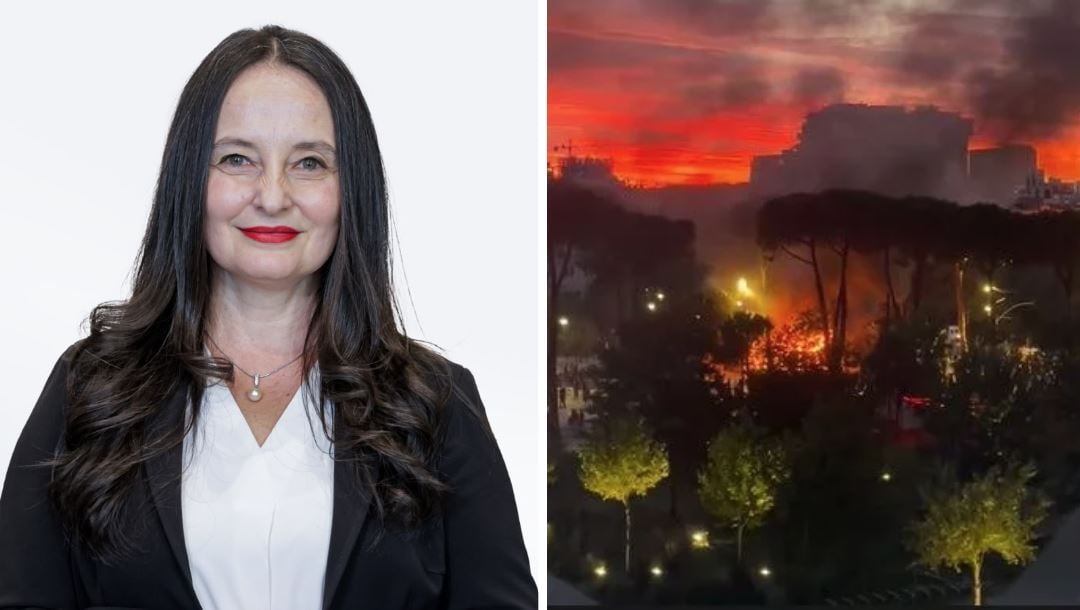
Reaction on the third day of protests
Dhuka reacted on the third day of protests that have gripped Tirana, calling for reflection and a high sense of responsibility. At the center of her message was the idea that the voices of citizens should be heard, but without undermining the institutional order and the law.
She presented the situation as a test of how Albania aims to behave as a country seeking membership in the European Union. This is a position coming from the official level of negotiations, at a time when the protest is putting pressure not only on the government, but also on the institutional narrative of democratic stability.
EU integration used as a political framework
According to her statement, Albania is very close to integration into the EU and this remains a shared aspiration of Albanians. Dhuka called this a historic moment, stressing that the country is closer than ever to achieving a goal more than 30 years in the making.
In essence, her message seeks to frame the public debate not only as a matter of protest and political confrontation, but also as a test of the European maturity of institutions and society.
Call for law, institutional respect and ‘bridges of dialogue’
In her statement, Dhuka stressed that being European means raising your voice, but also respecting the law. She underlined that peace is not silence and that wisdom should not be seen as indifference, but as protection of European values and human respect.
The most direct part of her reaction was the call to build “bridges of dialogue,” a formula often used by officials in times of tension, but one that in practice remains to be seen how it will translate into concrete responsibility by institutions and politics.
The official message in the face of anger in the streets
The chief negotiator’s statement comes at a time when the protest in Tirana has highlighted not only public dissatisfaction, but also the gap between the official language of a “European Albania” and the perception among part of the public about how institutions function.
Precisely for this reason, calls for dialogue carry weight only if they are accompanied by real standards of listening, transparency and accountability. Otherwise, they risk remaining part of a political rhetoric that speaks of Europe while tensions on the ground remain unresolved.
Dhuka concluded her reaction with a call for Albania’s steps toward the European Union to be accompanied by dialogue and respect for democratic values.
In the public sphere, it remains to be seen whether this appeal will have an effect beyond the official statement, in a climate where the street and the institutions are speaking different languages.