
German Chancellor Friedrich Merz used the Berlin Process Summit in Budva to send a political message about protests in the European Union and the Balkans: in his view, the discontent seen on the streets should be read as a signal that the EU enlargement process must continue and deliver real benefits for citizens, while violence cannot be presented as a way out.
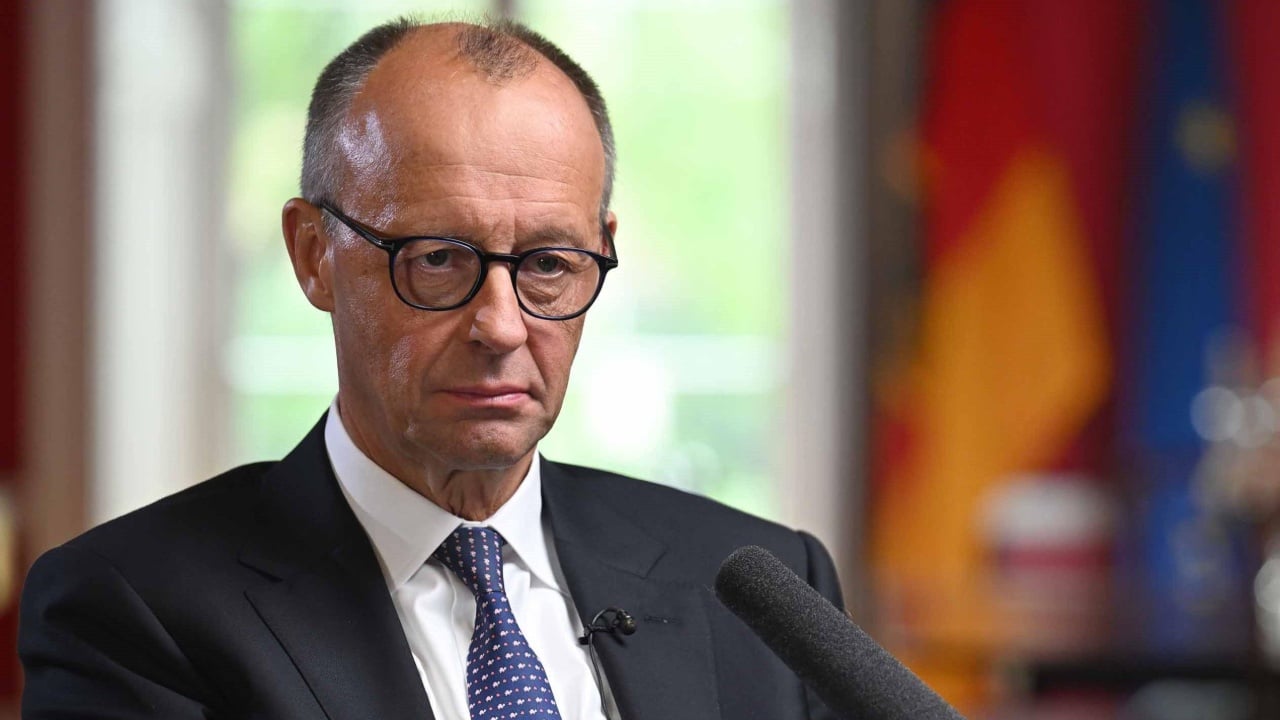
Merz’s message from the summit in Budva
During his remarks at the summit, Merz focused on the protests taking place in the region and in European Union countries, interpreting them as a call not to leave the enlargement process at a standstill.
EU enlargement as a political response
According to the German chancellor’s statement, such protests send a clear message to European leadership: enlargement must move forward and citizens must tangibly feel its benefits.
In essence, Merz linked public discontent not only to internal political tensions, but also to the need for European processes not to remain at the level of diplomatic rhetoric.
His position on violence and clashes
Merz said that when there are protests, whether in the European Union or in the Balkans, violence should never be an alternative for either side.
This wording places responsibility on both sides in the management of clashes, without going into specific cases or particular institutional responsibilities for the protests he mentioned.
Warning over divisive language
Another part of his message concerned political polarization and divisive rhetoric, which he described as obstacles to a safer, freer and more prosperous Europe.
According to Merz, history will not judge kindly those who deepen social divisions at a time he described as complicated.
The German chancellor’s statements come at a time when protests and political tensions in the region are increasingly being used as a thermometer of expectations toward the European Union.
The message emerging from Budva remains twofold: continuation of enlargement, but also rejection of violence and language that fuels division.