
A social media reaction from director Mevlan Shanaj has brought back into focus a dark chapter of Albanian history: the targeting of artists and intellectuals by the communist regime. At the center are several well-known names from the world of art and culture who, despite having contributed to public life or believed in the system, ultimately ended up persecuted by it.
Well-known names, similar fates under repression
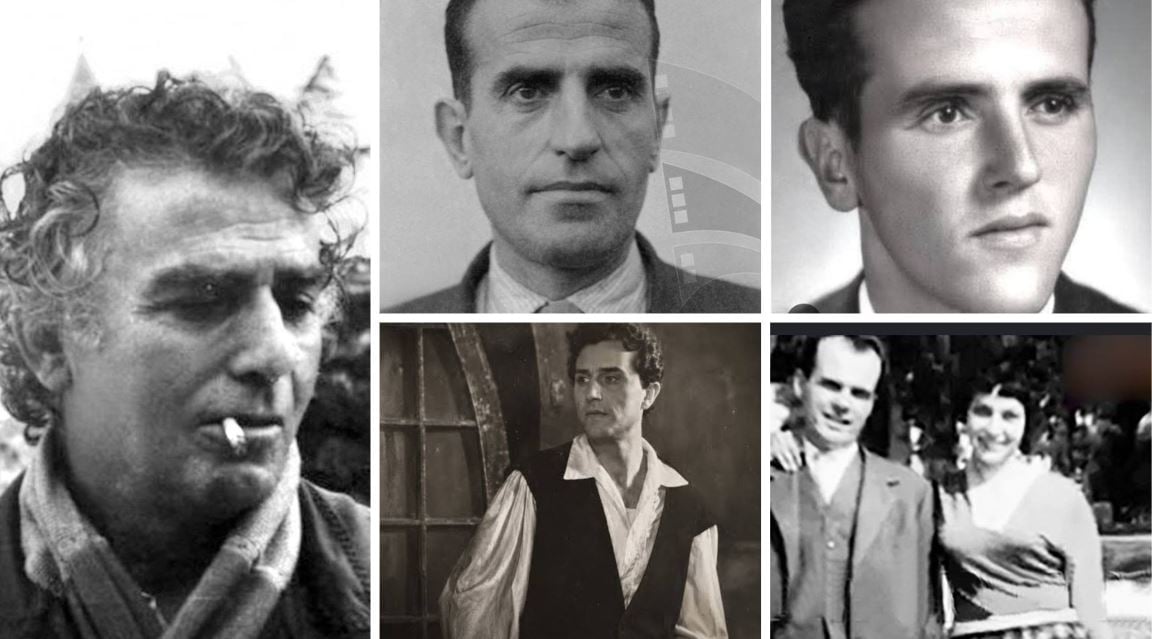
Shanaj mentions Viktor Stratobërdha, Mihal Luarasi, Kujtim Spahivogli, Petro Marko and Mandi Koçi as figures who, in different circumstances, collided with the dictatorship’s punitive machinery.
According to his account, these are not simply individual stories, but evidence of how the authorities of the time also struck those who had served, believed in or contributed to the system. Imprisonment, exclusion, surveillance and the destruction of professional and personal life appear as part of the same repressive pattern.
When contribution did not protect you from punishment
One of the points that emerges clearly from Shanaj’s reaction is that neither participation in the Anti-Fascist National Liberation War nor political convictions guaranteed protection. On the contrary, many of those who had been part of that era were later targeted by the same regime.
This makes the picture he describes even grimmer: a system in which loyalty ensured neither freedom nor dignity, while fear and insecurity penetrated everyday life.
The tragedy of Mandi Koçi
Shanaj dwells in particular on the case of Mandi Koçi, known as one of the pioneers of the camera in Albanian film. According to him, Koçi, a former partisan and photographer for the general staff, ended up in prison and suffered for many years, up until the 1980s.
The consequences, according to this account, did not stop with him. The blow also affected his family, including his Russian wife. After his release from prison, broken by suffering, he ended his life in a nursing home.
A family example and a climate of fear
To explain the logic of repression, Shanaj also brings up a family story. He recounts the case of Natasha’s father, who was arrested on the day his daughter was born and served two years in prison on the charge of “lack of vigilance,” because he had not reported a friend’s escape plan.
In this episode, as in the director’s broader reflection, what emerges is a reality in which punishment did not necessarily depend on proven guilt, but on an apparatus that produced fear, distrust and permanent insecurity. According to him, many cases were built with fabricated witnesses and no one could truly be considered protected.
Wounds that remain in the history of art
Shanaj stresses that the history of art is written not only through the works that survived, but also through the interrupted lives and talents crushed by the regime. This perspective takes the debate beyond personal memory and places it in the realm of public responsibility not to treat state terror as a side note.
Bringing these names back into public attention serves not only as a tribute to the damaged figures, but also as a reminder that political control over art did not strike only creativity, but the very people behind it.
At its core, Shanaj’s reaction revives a question that remains open in public memory even today: how did a system function that spared not even those who had once stood close to it?
Through these stories, the human cost of a regime that turned punishment into a method of governance and fear into a collective condition once again comes into view.