
Another account of the troubled relationship between politics and the police comes from former Tirana Police director Mit’hat Havari. In a television interview, he mentioned by name former prime ministers and political leaders, distinguishing between those who, according to him, interfered in the exercise of his duties and those who did not pressure him.
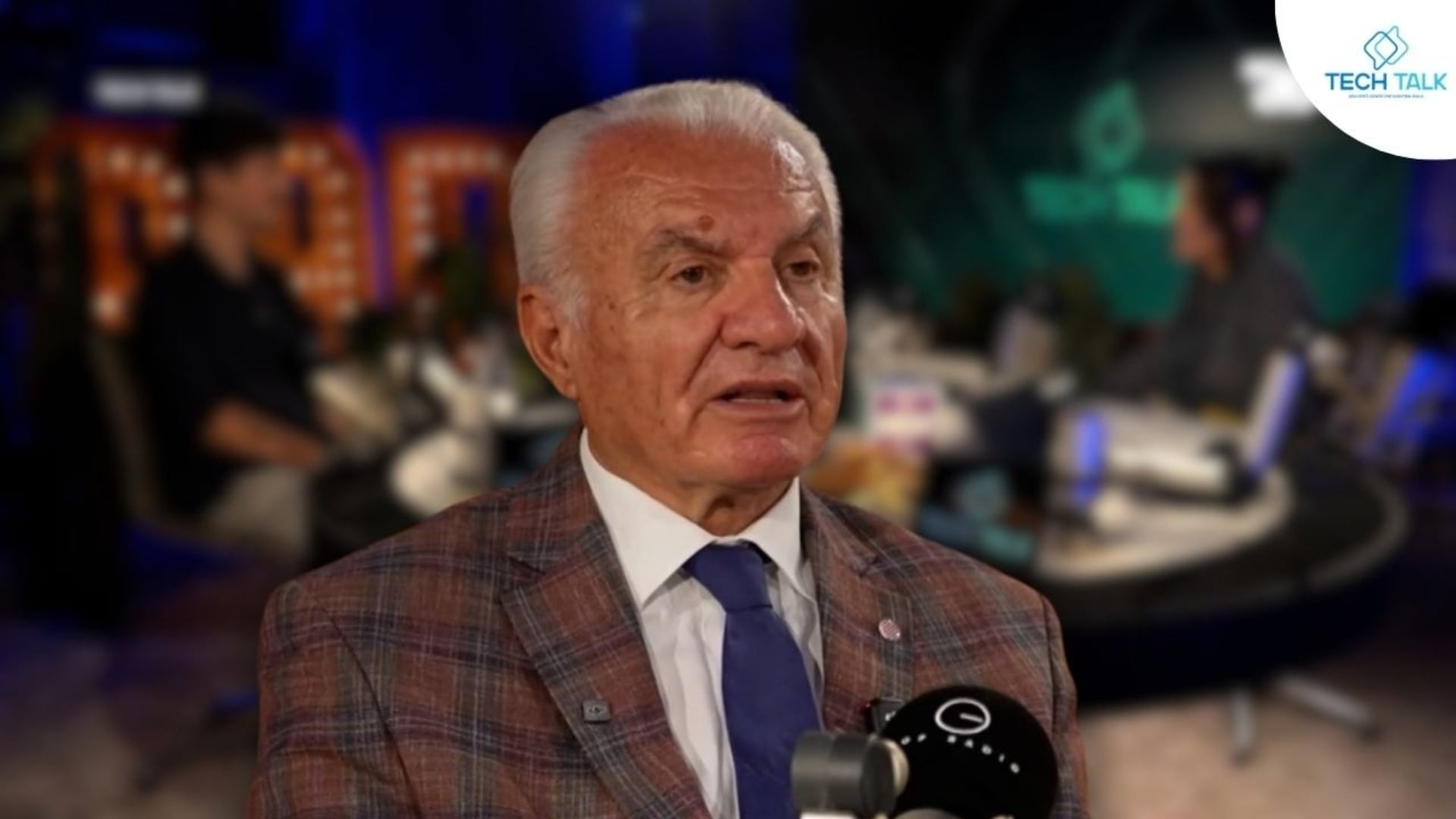
Havari: Ilir Meta interfered with me in two cases
Havari’s strongest statement concerned former prime minister Ilir Meta. According to the account he gave, Meta intervened twice during the period when he held leadership roles in the police.
Havari said one of the cases involved a builder who, he claimed, had been unfairly targeted even though he had obtained a permit from the municipality and the documentation was in order. According to him, the works were suspended unlawfully, while he himself admitted that he also bears moral responsibility for that episode.
In the same interview, the former police official said he had often refused such interventions, but implied that this had consequences for his relationship with the political power of the time.
Majko without interference, Nano gets the highest praise
In contrast to the accusations against Meta, Havari said there had been no interference in his work from Pandeli Majko. He described the former prime minister as a peaceful figure and said that during the time they worked together, nothing was imposed on him in the line of duty.
He was even more direct about Fatos Nano, for whom he reserved his most positive assessment. Havari said Nano was the most cultured prime minister among those he had worked with and that he had never interfered in his state duties.
These statements remain the personal positions of the former Tirana Police director, but they bring renewed attention to the long-running debate over the boundary between political authority and the independence of law enforcement structures.
Accusations over the 1997 period and Berisha’s role
Speaking about the years of unrest, Havari said he had had no contact with Aleksandër Meksi because, according to him, the country’s real leadership at the time was exercised by Sali Berisha.
In his account, he spoke of clashes with ministers in that government and of his appointment in Berat in 1997, a period he described as a time of war. Havari linked the chaos of that time to the struggle for power and voiced serious political accusations against the country’s leadership in that period.
The statements are strong and political at their core, making them part of a personal narrative about events that continue to remain the subject of debate and contested responsibility.
Protests in Tirana, call for caution toward students
Asked about the protest situation in Tirana, Havari spoke out against violence and damage to infrastructure, but at the same time called for increased caution from the State Police toward young people taking part in gatherings.
He said police leaders should show care with high school students and university students, while calling for restraint in the use of rubber bullets and rubber batons. According to him, the police are protected, while students are not.
His position emphasizes the proportionality of force and institutional responsibility in the management of protests, an issue that continues to raise questions whenever clashes break out in the streets.
The episode with Rama: “I can’t stand your charisma”
In the interview, Havari also spoke about a difficult relationship with Edi Rama. When asked whether he would accept leading the police if he were invited by the prime minister, he answered bluntly that he would not.
He then recounted an episode from a time when, according to him, he had been out of work and was waiting for a position from the government. Havari said that, after a meeting in an office, Rama had told him that he could not stand his charisma and that they could not stay together.
This account, like the rest of his statements, presents the personal perspective of the former Tirana Police director on how politics has either approached or clashed with law enforcement leaders.
Havari’s interview once again sheds light on a problem that has been discussed for years in Albania: how free the police have really been from phone calls, pressure and the will of politics.
When such accusations are voiced by a former senior official, their public weight is significant even when they remain at the level of declarations. For that very reason, the issue does not end with the names mentioned, but with the institutional standard the country has had and continues to have.