
Tensions at Saturday’s rally in front of the Ministry of Education have also brought to the surface a political clash over control and representation of the protest. After Democrats left the gathering, Sali Berisha came out with direct accusations, claiming the incidents were not caused by students, but by paid individuals.
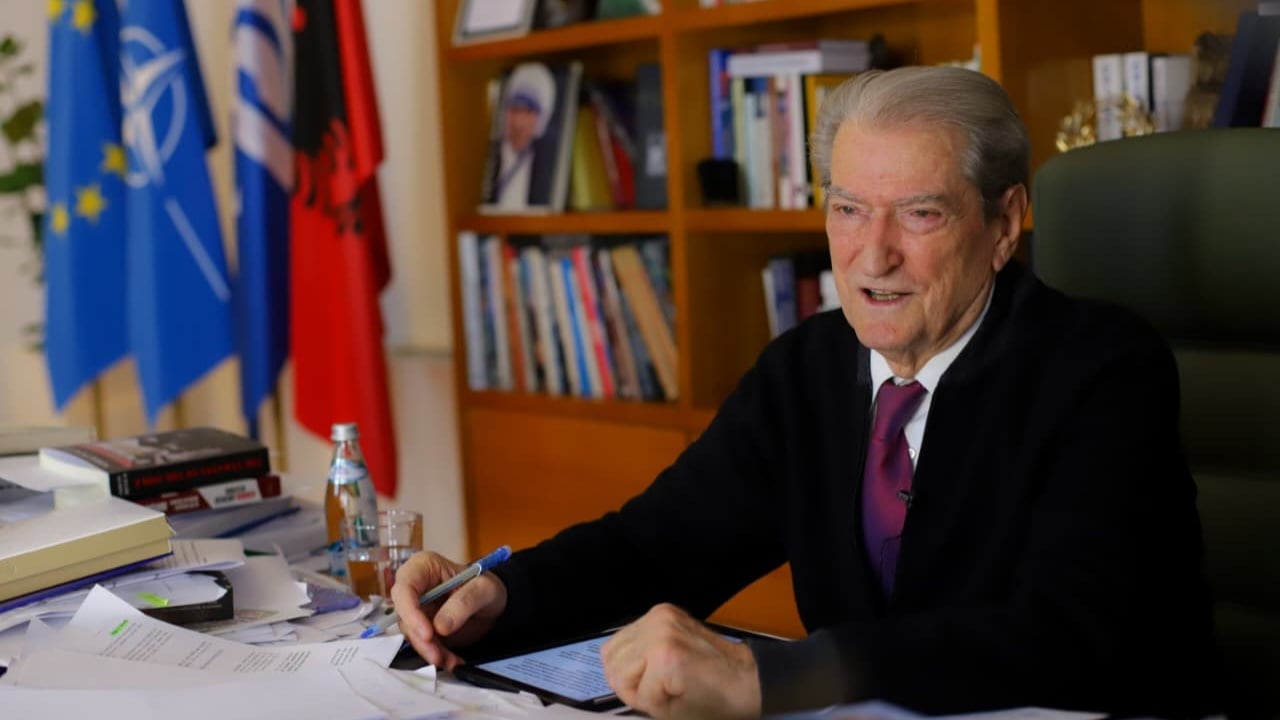
Accusations without publicly presented evidence
In a conversation on social media, the PD leader said the people who created the clashes were paid by the government. He claimed these individuals had no connection to the students and that, according to his version, media outlets close to the government were also present at the points where the incidents occurred.
Berisha said he knows the people he is talking about, but did not publish any names or concrete evidence. In the absence of publicly presented facts, the accusation remains at the level of a political claim.
PD seeks to remain within the protest
Despite the rejection it faced at the rally, Berisha said the Democratic Party will continue to take part in the protest. According to him, the presence of Democrats will be accepted without party symbols and in the name of support for the students.
This position shows that the opposition does not intend to withdraw from a movement that carries public weight, even though parts of the protesters have called for distance from politicization.
Claim of legal and political support
Berisha said PD deputies and leaders have been constantly present at the protests and have offered support to students in dealing with police and court proceedings. He added that more than 600 students have received legal protection from this political force’s legal office.
This too is a claim made by the PD chairman, without documentation presented in the same public appearance.
Call to the opposition and citizens
At the end of his reaction, Berisha called on opposition forces and citizens to support the student protest. His message was clear: PD aims to remain present on the ground and present itself as a supporter of the movement.
Saturday’s clash, however, showed that the relationship between the protest and political parties remains fragile, especially when suspicions emerge in the square of instrumentalization and attempts to take control of the cause.
So far there has been no documented response from the government to the accusations made by Berisha regarding paid individuals or the role of media close to it in the reported incidents.
Saturday’s event deepens even further the old dilemma of protests in Albania: how much space remains for a civic movement when political parties seek to be part of it, even when their presence is openly opposed on the ground.