
The case of children being poisoned at Kindergarten No. 10 in Vlora is directing suspicion toward a deeper problem with the water supply. Preliminary information points to contamination in the network, a high presence of bacteria, and shortcomings in chlorination, while the concerns do not appear to be limited only to the kindergarten premises.
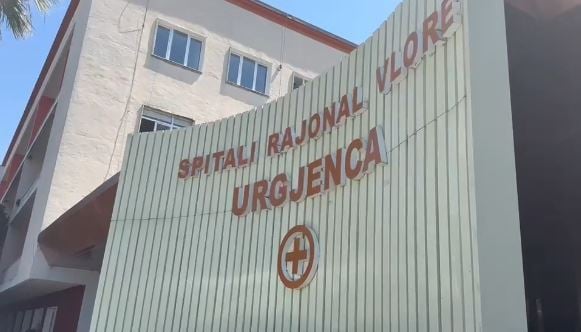
Initial suspicions focus on contaminated water
According to preliminary information, the children’s poisoning is suspected to have come from contaminated water. A high presence of bacteria has been found in the water utility’s pipes and reservoirs, shifting attention to the safety of the supply network.
According to the same information, there are also suspicions of contamination from sewage, while a lack of water chlorination is also mentioned. If these are confirmed, this would be a problem that goes beyond an isolated incident.
Signs of the problem appear beyond the kindergarten
The alarm has intensified because residents of the neighborhood near the kindergarten have also shown health concerns. This raises suspicion that the contamination may have affected a wider area and not only the preschool institution where the first cases were identified.
It is precisely this element that makes the issue more serious for local authorities and the structures responsible for the water utility, which have long faced complaints about the standard of service.
An old problem returns with consequences
The incident has brought repeated problems with the quality of drinking water in Vlora back to the center of attention. For some time, citizens have raised concerns about the safety and reliability of the supply, but the latest case shifts the debate from dissatisfaction to a direct risk to health.
During the summer months, residents have also faced interruptions and difficulties in water supply, making the question even stronger as to how closely this public service has actually been monitored.
Institutional responsibility remains at the center of the questions
At this stage, the information remains preliminary and requires full verification, but the first indications put the condition of the pipes, reservoirs and water treatment procedures in focus. This turns attention to institutional responsibility for monitoring and guaranteeing a basic service.
For Vlora residents, the issue is not only linked to one episode of poisoning, but to damaged trust in the water that reaches their taps. And when suspicions affect an entire supply network, stronger answers are required than routine statements.
The case in Vlora is once again opening an essential debate on drinking water control and the response of institutions when clear signs of failure in public services appear.
Until there is full clarification on the cause and extent of the contamination, the main question remains how safe the water consumed by the children and residents of the area actually was.