
The proposal to lower the VAT threshold from 10 million lek to 5 million lek has opened another front of opposition to the fiscal package. In the Economy Committee, representatives of the self-employed professions said that if the changes pass untouched, they will again turn to the Constitutional Court, describing the initiative as a new burden and legally problematic.
Objection: a new burden after the clash over income tax
Lawyer Lulzim Alushaj, speaking on behalf of the Alliance of Self-Employed Professions, called for the draft to be reviewed and recalled that this category has just gone through another battle with the government over income tax, a case that ended in the Constitutional Court in their favor.
According to him, the immediate lowering of the threshold directly affects professionals who provide services, such as lawyers, dentists and auditors, because the additional cost cannot always be passed on to the client. In this reading, entry into the VAT scheme is seen as a second financial blow for a group that has just emerged from another fiscal confrontation.
Claims of constitutional violations and retroactive effect
Alushaj raised strong doubts about the way the changes have been drafted, arguing that both the VAT provisions and those on dividends have retroactive effect and undermine legal certainty.
According to him, if the law is approved in its current form, there are shortcomings that could become the subject of another complaint to the Constitutional Court. This warning shifts the debate beyond the technical fiscal level and turns it into a test of the constitutional standard for government intervention in taxation.
Accountants warn of more informality, not less
Accountant Artur Papajani also opposed the logic of lowering the threshold, saying the measure could produce the opposite effect from what is officially claimed in the fight against informality.
According to him, the affected entities are registered and formal businesses, so placing them back into a heavier scheme could push some of them toward splitting turnover or other practices to avoid the new burden. Papajani proposed a threshold of 8 million lek and called for an assessment of the costs that would fall on both business and the tax administration.
He also raised concerns that the change could affect some farmers, who risk losing benefits from the compensation scheme.
Clash with Braçe and criticism of the state
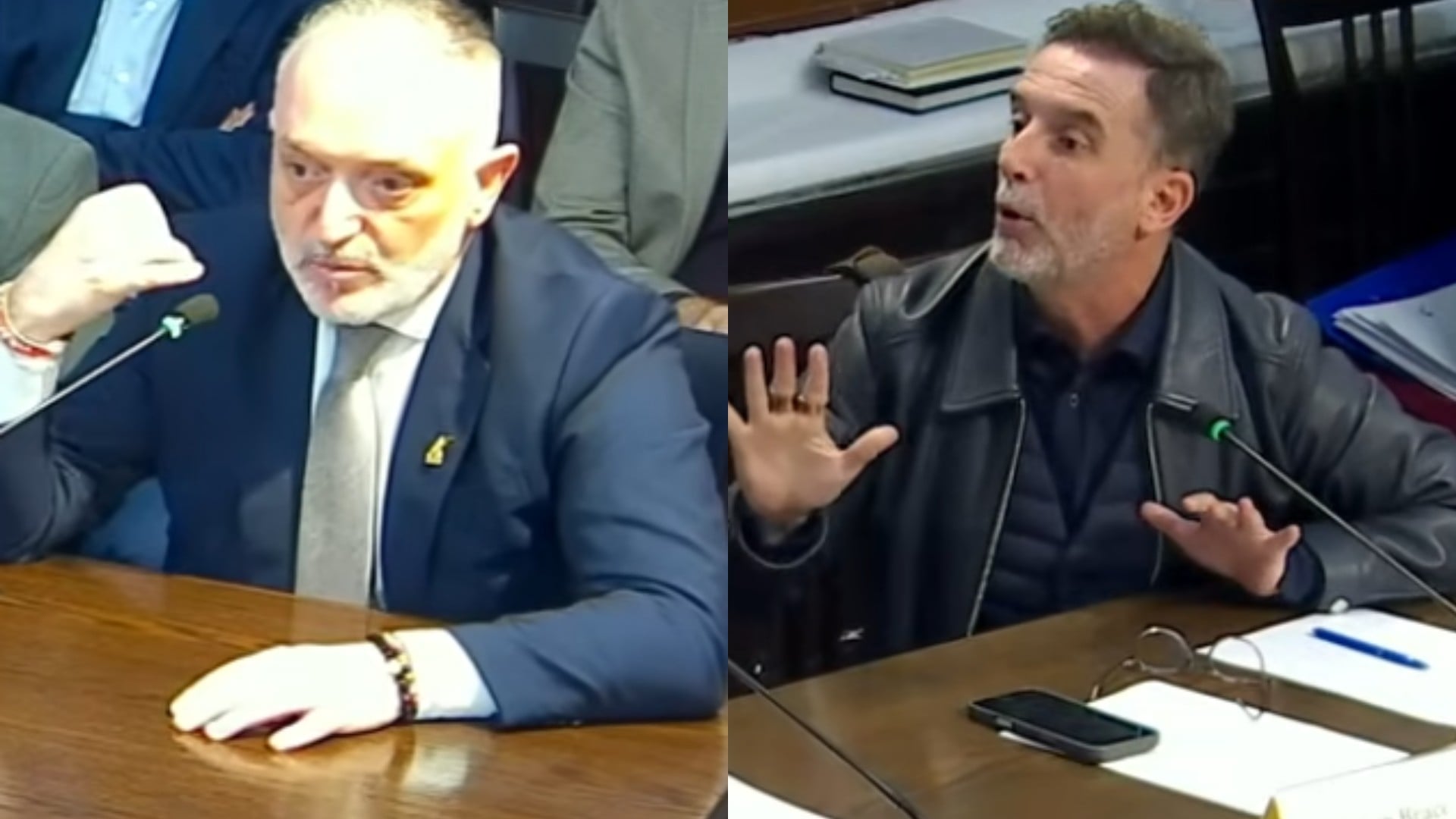
The meeting was also marked by a direct debate between Alushaj and Socialist MP Erion Braçe. The lawyer criticized the frequent pace of fiscal changes, saying the lack of stability is harming legal certainty for entities and investors.
In the debate, he also cast doubt on the tax administration’s readiness to implement the reform, mentioning unjustified fines, lack of responses and deadline extensions. Tensions rose when Alushaj accused the state of functional failure, while Braçe responded in personal tones, shifting the discussion away from the substance of the fiscal package and toward political exchanges.
The clash once again highlighted a recurring problem in committees: fiscal drafts are presented as technical interventions, but as soon as they are tested by the affected groups, the real costs, the lack of predictability and the gap between the official version and implementation on the ground come to the surface.
At this stage, the opposition of the self-employed professions remains focused on revising the threshold and on the legal consequences of the draft. But the political signal is broader: every new fiscal change is facing not only the calculations of the state treasury, but also a lack of trust that the administration and the government are intervening with stable and predictable standards.
If the draft passes without changes, the clash is expected to move from the committee room to the Constitutional Court.