
The Special Court has rejected Erion Veliaj’s request to postpone the court hearing, deciding that the proceedings will continue even without the presence of the Mayor of Tirana. According to the ruling announced in the courtroom, the claims presented regarding his health condition were not considered proven.
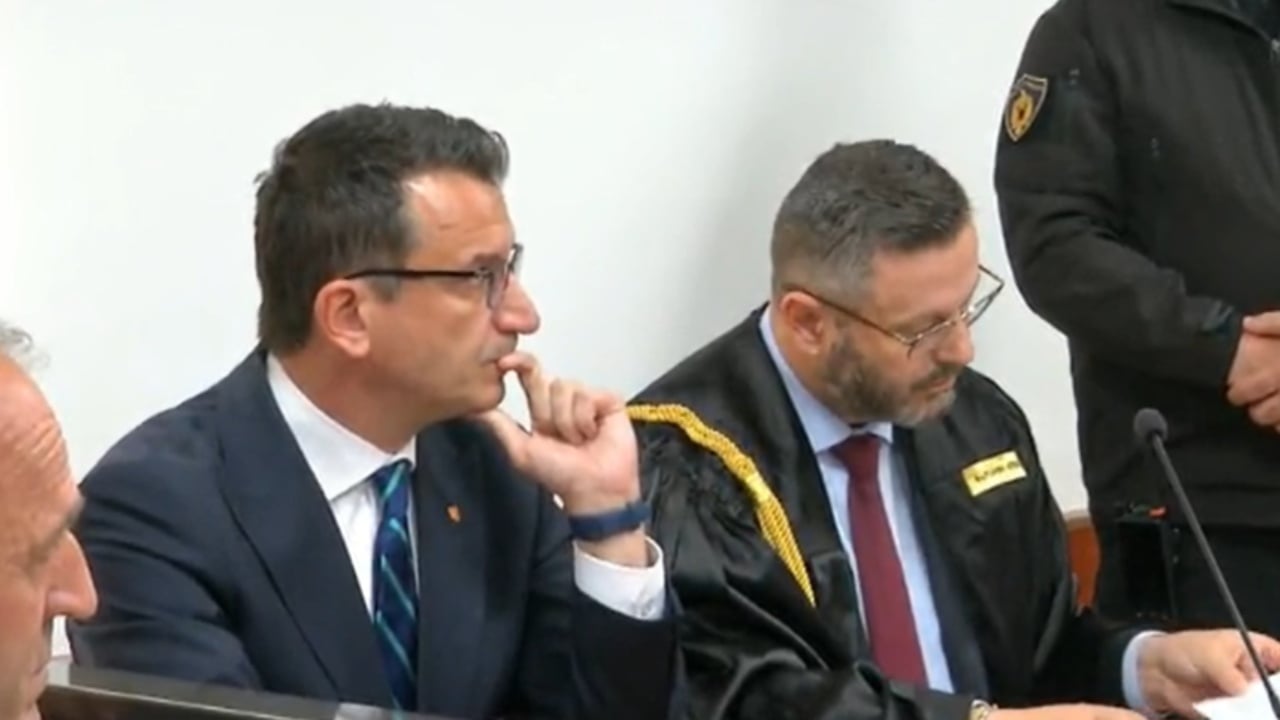
The court rejects the request for postponement
The judicial panel reviewed the claims presented by Veliaj regarding his health condition and the request to postpone the hearing. In the end, GJKKO decided not to accept the request and to continue examining the case.
In its reasoning, the court found that the defendant’s claim remained unproven. This assessment proved decisive in not suspending the proceedings.
What the defense presented as an argument
According to the defense, the request for postponement was linked to the lack of medical documentation and the need for surgical intervention. These circumstances were presented as reasons for the inability to participate in the hearing.
Lawyer Plarent Ndreca clarified that the previous requests for physical participation or participation via videoconference had been made before the current health situation.
The lawyer’s statement in the courtroom
During the discussions, Ndreca said that “the requests were to participate physically or by videoconference, before this situation.”
This was one of the defense’s clarifications aimed at distinguishing the earlier requests from the condition that was claimed at the latest hearing.
The trial continues without the defendant
After reviewing the claims, the court decided that the hearing would be held without Veliaj’s presence. The decision shows that the judicial panel did not see sufficient grounds to halt the pace of the proceedings.
The ruling stated: “After the defendant’s statement, the court finds that the defendant’s claim remains unproven. The court decides to continue this hearing without his presence.”
GJKKO’s decision keeps the hearing in place despite the defense’s objections, while the focus of the debate remains on the evidence for the claims presented in the courtroom.
At this stage, the court has given a clear procedural signal: the defendant’s absence is not enough to postpone the proceedings if the reasons are not proven.