
Tirana Mayor Erion Veliaj has for the first time asked to take part in the court hearing against him at the Special Court, while at the same time requesting that it be postponed. At the center of the debate is not only his presence in the courtroom, but also the absence of medical documentation, on which the parties are giving different versions.
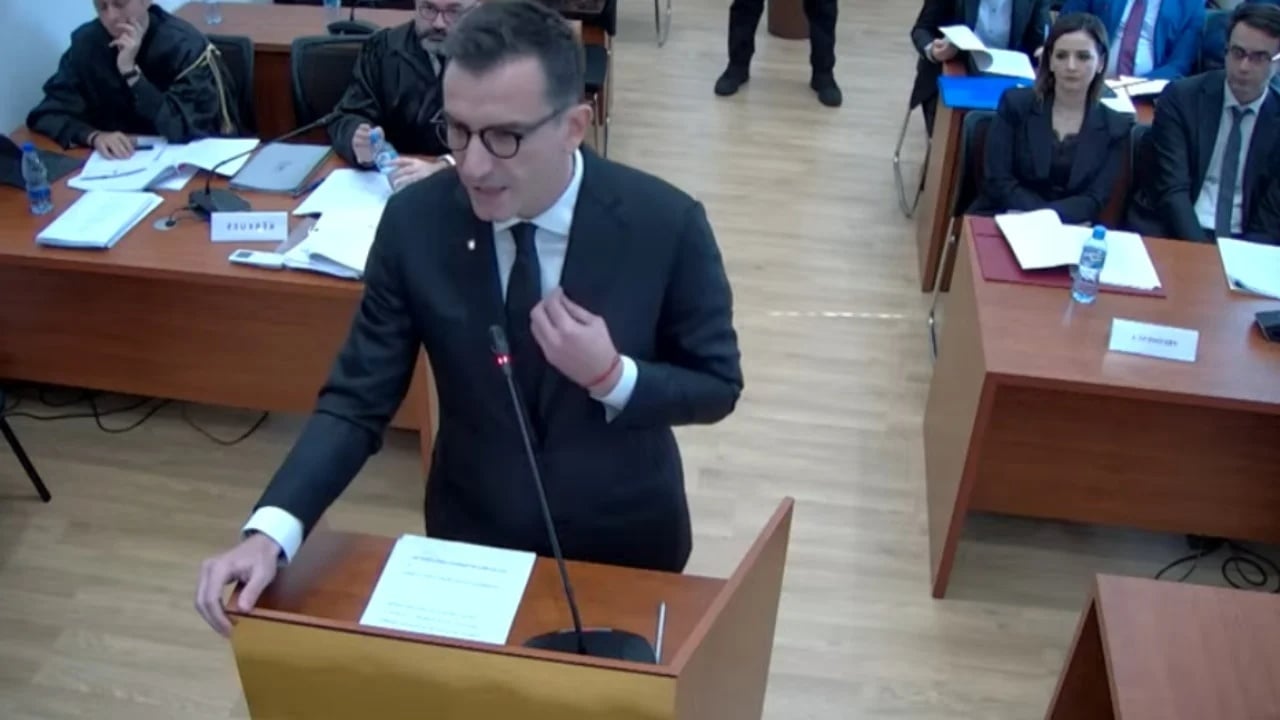
Veliaj’s request to postpone the hearing
In a letter addressed to the court, Veliaj claimed that his health condition and the lack of medical documentation are preventing him from being present in the proceedings.
According to his request, for the past 10 days he has been seeking the medical documentation, but has received no explanation, while also saying that a surgical intervention has been recommended to him. For this reason, he asked the court to postpone the hearing.
What the Prosecution said in the hearing
During the hearing, prosecutor Altin Dumani stated that the Prosecution has no medical documentation available that reflects Veliaj’s health condition.
According to the prosecution’s version, there is no report from the prison doctor or any concrete document that would make the mayor’s health condition verifiable.
The defense’s objection
Lawyer Plarent Ndreca objected to the prosecution’s position and said the prosecuting body is aware of his client’s health condition.
According to the defense, Veliaj is seeking information about the real condition of his leg and the scans in order to consult them with a doctor, but his medical file is not being made available to him. The lawyer also stressed that Veliaj has clearly expressed his wish to take part in the hearing.
The decision remains in the court’s hands
At this stage, GJKKO is reviewing the request to postpone the hearing and will decide on the continuation of the proceedings.
The clash between the defendant’s claim and the prosecution’s position once again highlights a basic procedural problem: when the parties speak about the same issue with such different versions, the burden of clarification falls on the institutions that administer the documentation and the process.
It remains to be seen whether the court will consider the argument over the absence of medical documents sufficient, or whether it will seek additional verification before deciding on the hearing.
Beyond the procedural debate, the case has also raised questions about the transparency of medical information and the way a defendant’s rights are administered during court proceedings.