
Parliament approved in principle the government’s draft budget for 2027, a €10 billion draft that the majority has presented as the largest in the country’s history. After 14 hours of debate, the votes of the Socialists and Tom Doshi’s MPs were enough to pass it in session, while the opposition lined up against it.
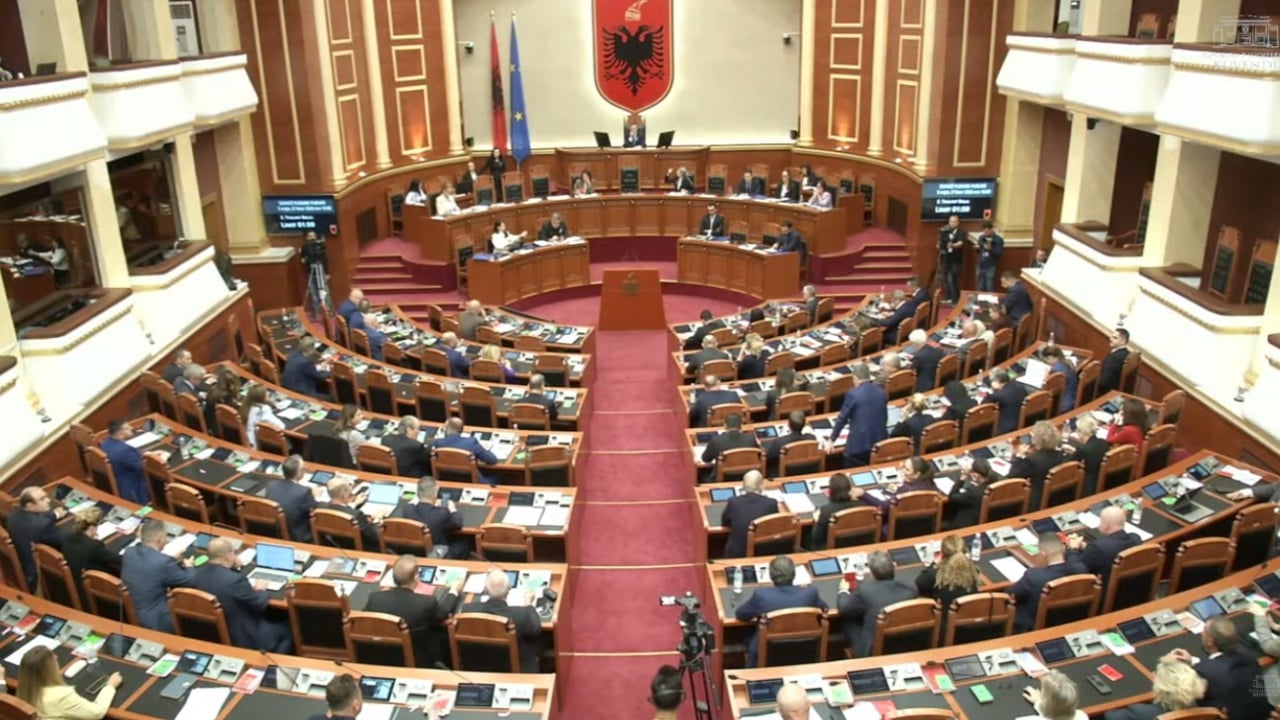
The vote passed with the support of the majority
The draft budget was approved in principle with 9 more votes than the minimum required. Voting in favor were MPs from the Socialist majority, together with the support of Tom Doshi’s MPs.
On the other side, the opposition cast 24 votes against. Also absent from the vote was Elisa Spiropali, the former Socialist speaker of Parliament, who had been in the plenary session a day earlier.
Government speaks of lowering the cost of living, opposition rejects the narrative
During the debate, Socialist MPs insisted that, according to the government, the €10 billion budget best addresses lowering the cost of living for citizens.
But the vote showed that this claim found no political agreement beyond the ranks of the majority and its allies in the chamber.
Power outage in the chamber before the vote
Shortly before the vote, the plenary chamber was left in darkness for several seconds because of a power outage.
The incident was immediately seized on by opposition MPs, who in chorus called for the resignation of Prime Minister Edi Rama.
The social housing law also passed
In the same session, the social housing law was also approved with 79 votes in favor, 1 abstention and 25 votes against.
The only abstention was that of Democratic MP Greta Bardeli.
The draft returns to committees
After its approval in principle, the 2027 draft budget has still not completed its parliamentary path.
The draft now returns to parliamentary committees, where it will be reviewed article by article before the next stage of approval.
The budget’s approval in principle gives the majority a procedural victory in Parliament, but the political debate over how public funds will be allocated remains open.
It is precisely in the committees that it will be tested whether the figures presented by the government translate into concrete policies, or remain part of the political packaging of a record budget.